Reduce saturated fats
High cholesterol is a condition where fats in the blood exceed healthy levels, leading to plaque buildup, arterial narrowing, and hardening. This significantly increases the risk of serious events like heart attacks and strokes. To lower cholesterol, individuals should choose unsaturated fats, especially omega-3s.
The American Heart Association (AHA) recommends incorporating fish, poultry, and plant proteins while limiting red meat and processed meats. The saturated fat content in meat varies greatly depending on the type of meat and how it is prepared.
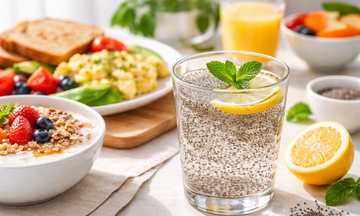
Seafood, such as salmon, provides essential omega-3 fatty acids that the body needs. These contribute to reducing inflammation and preventing heart failure, stroke, and coronary artery disease. The AHA advises consuming at least 240 g of fish each week. For optimal benefits, grill or pan-fry fish with minimal salt. Vegetarians should prioritize flaxseeds, chia seeds, and leafy greens to provide healthy fats for the body.
Regular vegetarian meals
Eating plant-based foods benefits both heart health and digestive well-being. Consider incorporating bean or other vegetable soups, and replacing meat with mushrooms in sandwiches. This dietary approach provides ample fiber, vitamin C, vitamin E, and magnesium, promoting overall health and detoxification.
A vegetarian diet needs a diverse range of foods, including beans, nuts, and green vegetables, to prevent deficiencies in protein, iron, calcium, and vitamin B12. Prioritize steamed or boiled dishes and limit foods fried in excessive oil. Regular medical check-ups and micronutrient tests are recommended to detect any deficiencies and ensure timely supplementation.
Choose healthy oils
Olive oil offers many cardiovascular benefits due to its high content of monounsaturated fats. Using this oil in your diet provides anti-inflammatory effects and helps balance cholesterol. Flaxseed oil, rich in ALA omega-3, supports heart health by reducing inflammation and improving blood pressure. The monounsaturated fats and vitamin E found in peanut oil contribute to reducing bad cholesterol.
Increase fiber intake
A diet high in fiber, especially soluble fiber, is beneficial for the heart as it helps reduce bad cholesterol, lower inflammation, and decrease blood pressure. Fiber also promotes a feeling of fullness, aids in weight management, and reduces the risk of obesity, thereby lessening the strain on the cardiovascular system. Excellent sources of fiber include green vegetables, fruits, nuts, and whole grains.
By Le Nguyen (According to WebMD, Times of India)
| Readers can send questions about cardiovascular health here for doctors to answer |