Response:
Using a hairdryer to treat genital warts is not scientifically supported and carries significant risks, including skin burns, complications, and the potential spread of the virus to other areas of the body. Individuals should seek examination at a specialized medical facility so a doctor can assess the condition and recommend an appropriate treatment plan. During treatment, avoid sharing personal items and abstain from sexual activity to reduce transmission.
Genital warts are caused by human papillomavirus (HPV) types 6 and 11. These warts typically appear in the genital area, mouth, throat, eyes, nose, tongue, and lips. Current treatments, such as medication, electrocautery, or surgery, often struggle to completely eliminate the HPV virus from the body, leading to a risk of recurrence.
 |
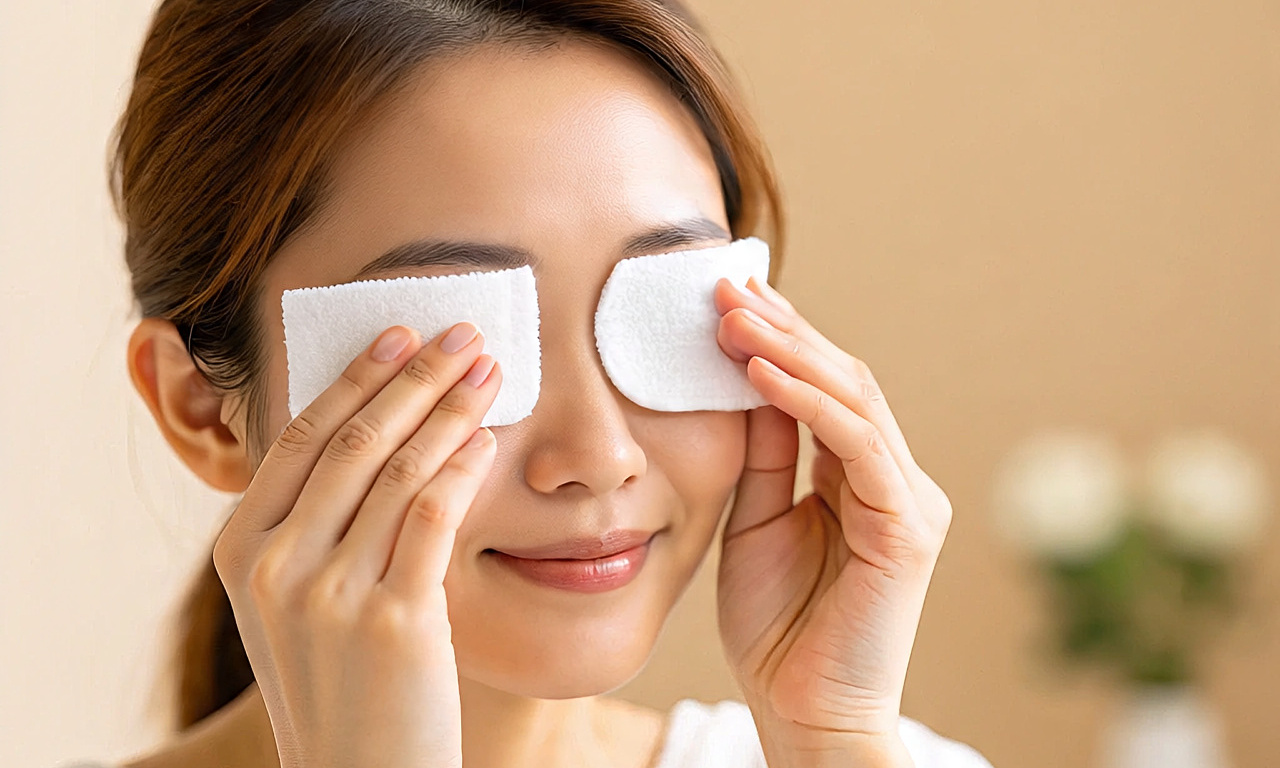
A hairdryer cannot treat genital warts and increases the risk of skin burns, potentially spreading the pathogen to other areas. Photo: Vecteezy
Beyond medical treatment, strengthening the immune system can help the body clear the virus. This involves maintaining a balanced diet, getting enough sleep, avoiding late nights, reducing stress, limiting alcohol consumption, refraining from smoking, and practicing safe sex. Furthermore, HPV vaccination is a proactive way to prevent the disease, helping to guard against new virus types or reinfection by types previously cleared.
Currently, two types of HPV vaccines are available in Vietnam: Gardasil, which protects against four types (6, 11, 16, 18), and Gardasil 9, which protects against nine types (6, 11, 16, 18, 31, 33, 45, 52, 58). Gardasil is administered to females aged 9-26, while Gardasil 9 is suitable for both males and females aged 9-45.
In addition to preventing genital warts, these vaccines also help protect against various cancers for both males and females, including cervical, vulvar, vaginal, penile, and oropharyngeal cancers. Even individuals who have already contracted genital warts or are infected with high-risk HPV strains like 16 or 18 should still get vaccinated. This helps prevent infection from other types they have not yet encountered and reduces the risk of reinfection by strains previously cleared from the body.
Dr. CKI Nguyen Tien Dao
Medical Manager, VNVC Vaccination System
Readers can submit vaccine-related questions for a doctor to answer here.