Ripe bananas have a glycemic index (GI) ranging from 48 to 62; consuming too many can increase blood sugar levels. However, when eaten correctly and in appropriate amounts, this nutrient-rich fruit can offer several health benefits for people with diabetes.
Rich in fiber
Beyond starch and sugar, a medium-sized banana contains 3 g of fiber. This helps slow the digestion and absorption of carbohydrates, contributing to the prevention of blood sugar spikes and improving overall blood sugar control. Green bananas have a low glycemic index, approximately 38-50. When steamed, braised with fish, or used in salads, they can provide abundant fiber for people with diabetes without significantly impacting blood sugar levels.
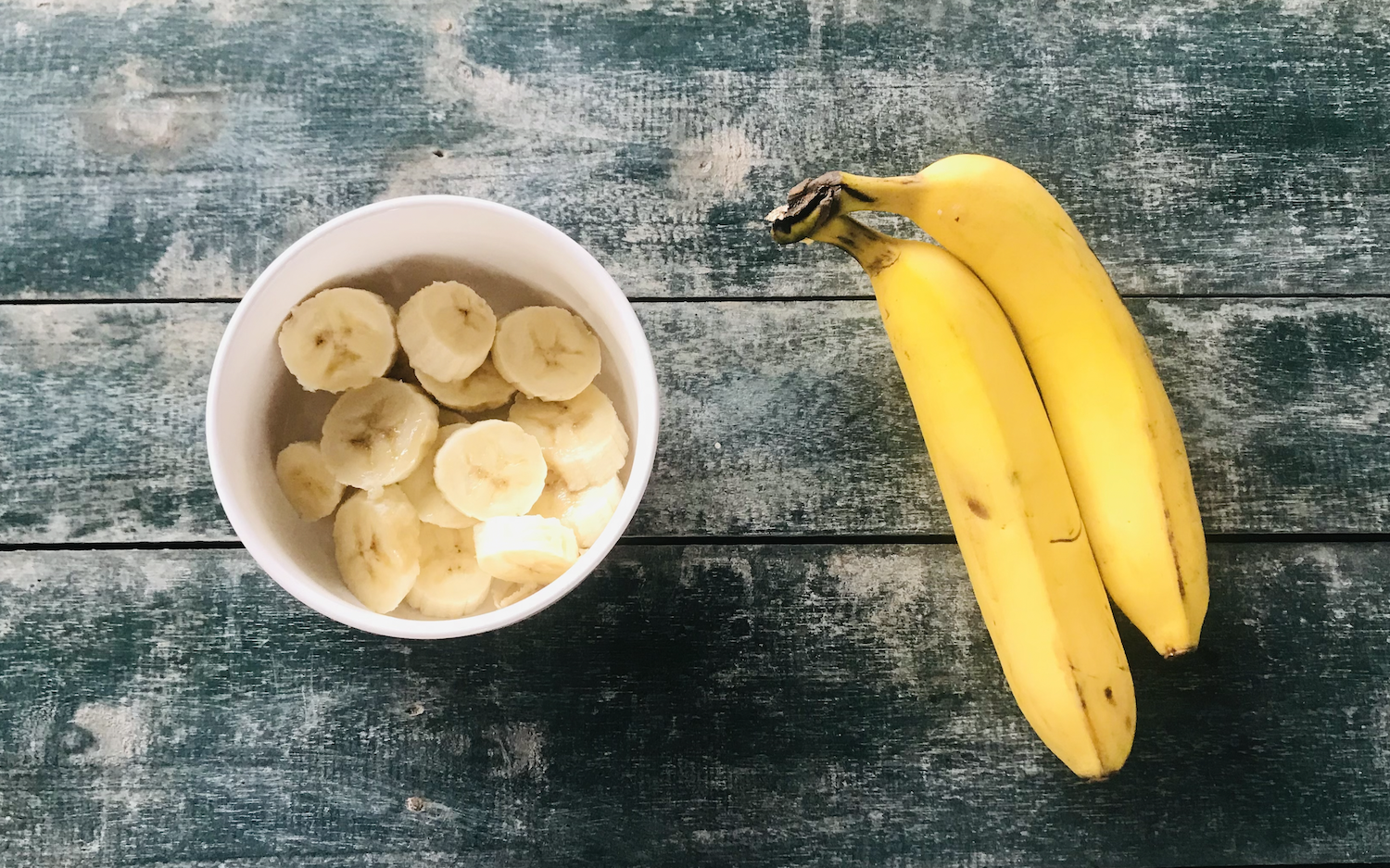 |
Bananas are rich in fiber and potassium. Photo: Bao Bao |
Rich in resistant starch, improves insulin sensitivity
Resistant starch is a type of carbohydrate that is not digested in the small intestine but instead travels to the colon, functioning similarly to soluble fiber. It helps nourish beneficial gut bacteria, supports blood sugar control, increases insulin sensitivity, and contributes to weight management, all of which are beneficial for people with diabetes. Bananas contain significant amounts of resistant starch, with the total varying by type. Green or unripe bananas have less sugar and more resistant starch, while ripe (yellow) bananas contain less resistant starch than green ones.
Reduces inflammation
People with diabetes face a higher risk of heart disease compared to the general population, often due to co-occurring issues like high blood pressure and high blood lipids. Bananas contain natural antioxidants that can protect the body from free radical damage. The potassium in bananas supports cardiovascular health and helps reduce the risk of diabetes complications.
Bananas are also rich in vitamin B6. This vitamin participates in over 100 enzyme reactions in the body, crucial for nervous system development, immune function, and protein metabolism. People with diabetes can consume bananas daily, but the amount needs to be adjusted (about half to one whole fruit) based on total daily carbohydrate intake and physical activity levels. It is advisable to consult a nutritionist for personalized portion recommendations.
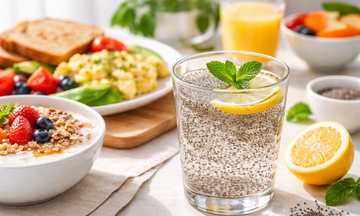
To minimize blood sugar response, enjoy bananas with healthy fats and protein. For example, add a banana to a smoothie containing chia or flax seeds. Other options include having a banana after an egg salad breakfast, making an oatmeal peanut butter chocolate cake for breakfast, or pairing a banana with a handful of nuts. It is best to choose bananas that are not fully ripe, as they contain more resistant starch and less sugar. Opting for smaller varieties, such as "chuoi cau" (finger bananas), can further help reduce the impact on blood sugar.
Anh Chi (According to Eating Well, Healthline)