Losing your sense of smell prevents you from detecting odors and reduces your ability to perceive food flavors. Similarly, a loss of taste diminishes your capacity to recognize basic tastes like sweet, salty, sour, and bitter. When one or both of these senses are affected, food can become bland and unappealing, leading to a reduced appetite and less food intake. The following tips can help improve appetite when experiencing a loss of smell and taste.
To maintain health and support recovery, it is important to consume a balanced diet, even with reduced sensory perception. According to Eating Well, meals should consist of half fruits or vegetables, one-fourth protein, and one-fourth carbohydrates. Avoid adding excessive salt or sugar to enhance flavor, as this can lead to an unhealthy intake of sodium and sugar.
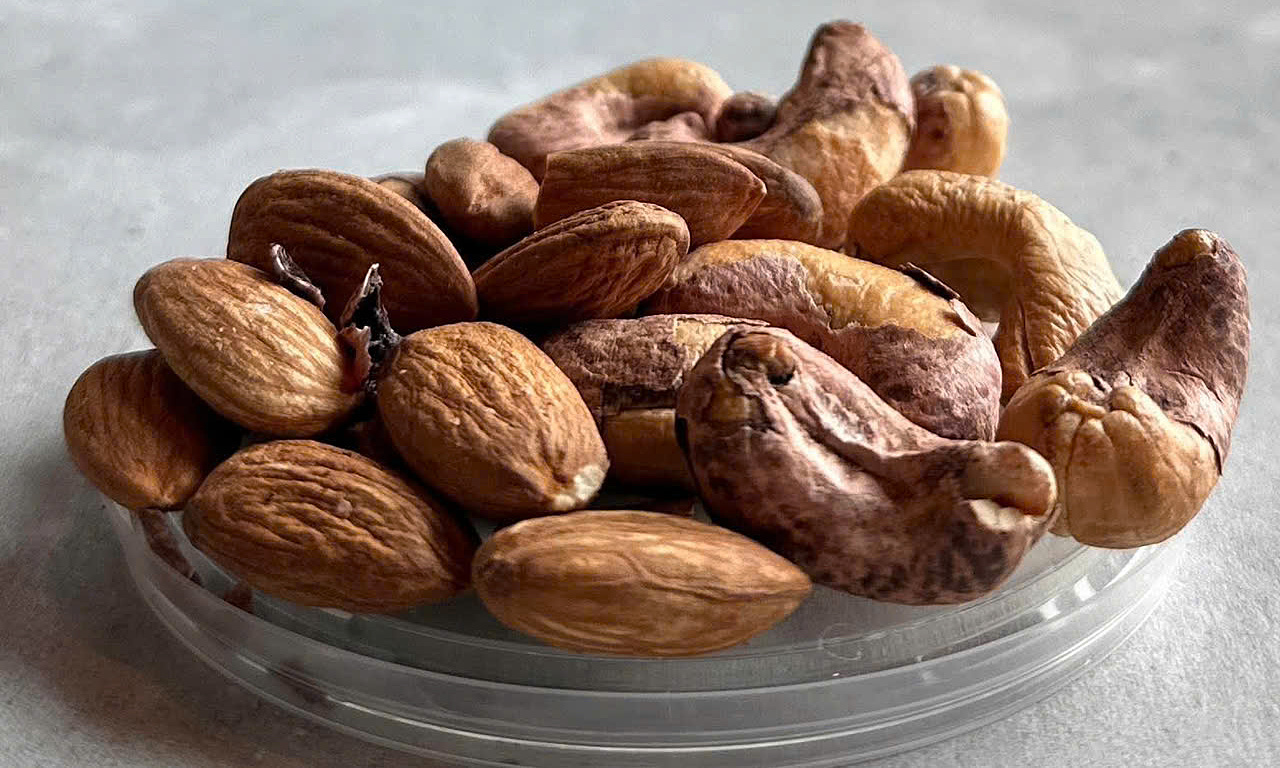
Incorporating strong flavors and varied textures can significantly improve the eating experience. If you do not have mouth ulcers, adding lemon juice or vinegar can provide a distinct sour taste, making dishes more discernible. Spices such as black pepper, chili, cinnamon, fennel, garlic powder, and ginger can also boost flavor and reduce monotony during meals. Furthermore, the texture and sound of chewing can enhance the dining experience. Opt for crunchy foods like apples, carrots, and nuts, or try unsweetened sparkling water and dishes with contrasting hot and cold temperatures to create different sensations in your mouth. These methods help diversify and make eating more appealing when your ability to smell and taste is diminished.
 |
Chewing raw, crunchy apples creates sounds that stimulate the senses. Photo: Bao Bao |
Chewing raw, crunchy apples creates sounds that stimulate the senses. Photo: Bao Bao
Creating a comfortable eating environment and focusing on presentation can also stimulate appetite. According to Health, when taste or smell is impaired, eating can become dull and uninteresting. It is advisable to create a relaxed dining atmosphere and divide meals into smaller, more frequent portions rather than eating too much at once. Visually appealing food, presented with diverse colors, can also increase the desire to eat.
Loss of taste and smell can occur individually or simultaneously, with varying degrees depending on the underlying cause. Conditions such as sinusitis, nasal polyps, allergic rhinitis, the flu, or mouth ulcers can affect the ability to perceive taste and smell. Certain head and neck diseases may also disrupt these two senses. Additionally, the ability to perceive taste and smell tends to decline with age.
If a loss or reduction in taste and smell persists, it is recommended to consult a doctor to determine the cause and receive appropriate treatment. Maintaining a nutritious diet and a healthy, scientific lifestyle also supports the body's recovery.
By Anh Chi
| Readers can ask questions about ear, nose, and throat conditions here for doctors to answer. |