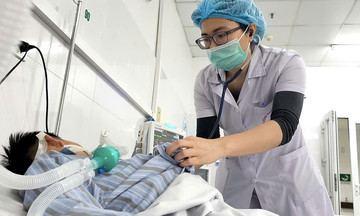
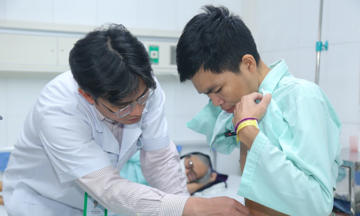
Dr. Le Bich Nhan, from the Endocrinology Department at Military Central Hospital 108, states that hypoglycemia is a condition where blood glucose levels drop below 3,9 mmol/l. This condition can affect anyone but is most common in individuals with diabetes who are taking blood sugar-lowering medications like insulin or insulin secretagogues (sulfonylurea group).
This is a medical emergency that can lead to coma, seizures, or serious complications if not treated promptly. Early recognition of symptoms and correct management help reduce the risk of hospitalization and complications.
According to the American Diabetes Association's classification, hypoglycemia is divided into three levels:
Level one hypoglycemia (mild hypoglycemia, 3,0mmol/l ≤ glucose ≤ 3,9mmol/l): Symptoms include intense hunger, trembling hands and feet, cold sweats, rapid heartbeat, dizziness, headache, numbness in lips or extremities, irritability, and anxiety. The patient remains conscious and can self-manage.
Level two hypoglycemia (impaired awareness hypoglycemia, < 3,0 mmol/l): Symptoms include confusion, difficulty concentrating, slurred speech, blurred vision, loss of balance, and drowsiness. At this stage, support from family or caregivers is needed.
Level three hypoglycemia (severe hypoglycemia): Characterized by seizures, deep coma, reduced reflexes, and focal neurological signs. This is a dangerous stage that can occur without warning, especially in elderly diabetes patients or those with co-existing medical conditions.
Correct management
Upon detecting hypoglycemia, the priority is to rapidly replenish glucose to raise blood sugar and prevent complications such as cerebral edema or stroke. The simple and effective "15-15 rule" should be applied through the following steps:
Step one: Consume 15-20 g of fast-absorbing carbohydrates. Choose foods that are easily absorbed and do not contain fat or protein to avoid delays. Examples include two to three glucose tablets or one to two teaspoons of honey or white sugar; one-half glass (120 ml) of fruit juice (orange, grape) or a sugary soft drink (avoid diet versions); one glass of milk or four to five hard candies; or pre-packaged glucose tablets.
If the patient is agitated or has difficulty swallowing, 1 mg of glucagon can be injected subcutaneously (if available at home).
Step two: Wait 15 minutes and recheck blood sugar. If it is still below 3,9 mmol/l, repeat step one. If blood sugar has stabilized (above 3,9 mmol/l), eat a light snack containing complex carbohydrates and protein to maintain levels, such as a cheese sandwich, fruit with yogurt, or thin porridge.
Step three: Rest and monitor the condition. Avoid strenuous activities and record the event to inform the doctor for potential medication adjustments. If hypoglycemia is persistent, intravenous glucose 10% may be needed at a medical facility to maintain blood sugar above 5,5 mmol/l for at least 24-72 hours.
If the patient is in a coma or loses consciousness, do not give food or drink to prevent choking; call emergency services at 115 immediately. Do not self-administer insulin or other blood sugar-lowering medications, as this will worsen the condition. For patients without diabetes, the root cause, such as an insulin-secreting tumor, needs to be treated.
When to call emergency services?
Call emergency services immediately if blood sugar does not increase after two applications of the 15-15 rule, or if seizures, coma, shortness of breath, or loss of consciousness occur. Patients who are children, elderly, or have co-existing conditions (heart failure, liver failure, kidney failure), or hypoglycemia due to drug poisoning or other unclear causes also require hospitalization.
Prevention involves simple yet effective measures, including eating regularly, not skipping meals, choosing foods with a low glycemic index (vegetables, whole grains), and eating on time after insulin injections. Limit alcohol, especially on an empty stomach.
Exercise properly by choosing suitable activities, exercising regularly, and checking blood sugar before workouts. Carry candy or glucose tablets as a precaution and avoid exercising when blood sugar-lowering medication is at its peak effect.
Use medication safely by not self-adjusting insulin or oral medication doses (such as sulfonylurea). Store medications correctly and inject using proper technique (location, depth). Monitor capillary blood glucose at home regularly.
Diabetes patients should have regular check-ups with an endocrinologist to adjust their treatment plan, particularly older individuals or those with chronic co-morbidities. Avoid overly strict blood sugar control if there is a high risk of hypoglycemia.
Le Nga