Spinach is a leafy green vegetable belonging to the amaranth family. A 100 g serving of raw spinach contains:
Calories: 23
Water: 91%
Protein: 2,9 g
Carbohydrates: 3,6 g
Sugar: 0,4 g
Fiber: 2,2 g
Fat: 0,4 g
Daily Value (DV):
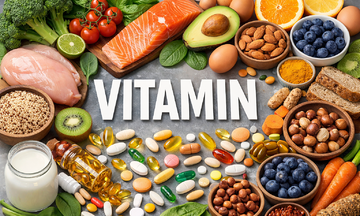
Vitamin B9 (folate): 45% DV, a B vitamin crucial for red blood cell and DNA formation.
Vitamin A: 160% DV, an antioxidant that supports eye, bone, and immune system health.
Vitamin C: 40% DV, an antioxidant beneficial for bone and skin health.
Vitamin K: 300% DV, which aids in wound healing.
Spinach also provides iron, magnesium, potassium, calcium, and smaller amounts of other B vitamins.
Reduces oxidative stress
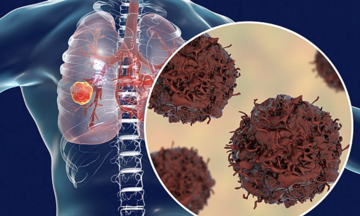
Free radicals, byproducts of metabolism, can cause oxidative stress. This process accelerates aging and increases the risk of cancer and diabetes. The antioxidants in spinach combat oxidative stress and mitigate its harmful effects.
Supports eye health
Spinach is rich in lutein and zeaxanthin, two carotenoids responsible for the vegetable's color and highly concentrated in the retina. These compounds protect eyes from light damage, reduce the risk of macular degeneration and cataracts, and help slow the progression of eye damage.
Lowers blood pressure
Spinach contains high levels of natural nitrates. Once in the body, these convert into nitric oxide, which relaxes blood vessels, helps regulate blood pressure, and reduces the risk of cardiovascular disease. This vegetable also provides antioxidants, potassium, calcium, and magnesium, further protecting blood vessels and enhancing overall heart health.
Boosts digestive health
Spinach provides insoluble fiber, which promotes fullness and supports regular bowel movements. This fiber facilitates food movement through the digestive tract, increases stool bulk, and prevents constipation.
Some considerations
While spinach is beneficial, it may cause side effects in some individuals.
Kidney stones
Kidney stones form from mineral salt accumulation, with calcium oxalate stones being the most common type. Spinach contains high oxalate levels, so individuals at risk or with a history of kidney stones should limit their intake to reduce stone formation.
Blood clotting
Vitamin K1 plays a vital role in blood clotting. Spinach is rich in vitamin K1, so sudden changes in consumption—either eating much more or much less than usual—can affect the efficacy of anticoagulant medications like warfarin. Individuals taking blood thinners should maintain a consistent intake of leafy greens and consult their doctor before altering their diet.
Tips for cooking and using spinach
Here are some ways to incorporate spinach into your diet more frequently:
Add it to soups, vegetable stews, and savory pies.
Blend it into smoothies with healthy fats like avocado or almond butter.
Saute it with extra virgin olive oil, sweet red bell peppers, and paprika.
Steam and toss the greens with a sauce.
Avoid cooking spinach at high temperatures to preserve its lutein content. Steaming is the best method to retain the maximum amount of vitamin C.
Bao Bao (Source: Healthline, Health)