Palliative care is an integral part of a comprehensive treatment plan for cancer patients. This approach helps prevent and alleviate physical, psychological, and spiritual pain for patients.
Doctor Tran Hai Binh, Deputy Head of the Oncology Department at Tam Anh General Hospital Hanoi, stated that palliative care begins immediately upon diagnosis and continues through surgical, radiation, or chemotherapy treatments. During Tet Nguyen Dan (Lunar New Year), cancer patients should develop a suitable care plan to ensure a safe holiday.
Arranging treatment plans
If a patient is undergoing chemotherapy, doctors may schedule their treatment after Tet so they can celebrate the holiday with family. Chemotherapy schedules can be extended and delayed by 3-7 days without affecting treatment effectiveness.
For patients undergoing radiation therapy, doctors can adjust the schedule so the final dose concludes on the last day of the year, with the next dose 5-7 days later, allowing them to return home for Tet. If a patient requires surgery, such as tumor removal, gastrostomy, or colostomy, doctors will schedule the operation early to ensure they recover in time to celebrate Tet at home.
 |
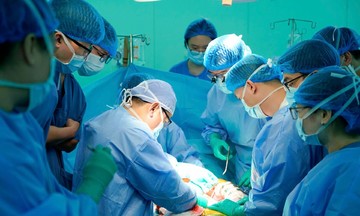
Healthcare workers prepare a patient for palliative radiation therapy. Photo: Tam Anh General Hospital |
Ensuring sufficient medication
Patients must take the correct and sufficient doses of palliative medications, including anti-nausea drugs, digestive aids, medications for underlying conditions, and pain relievers, as prescribed by their doctor. Families should ensure an adequate supply of medication before the Tet holiday and avoid arbitrarily stopping or reducing doses. Immediately inform the doctor of any unusual symptoms or side effects.
Ensuring nutrition
Before the Tet holiday, doctors assess a patient's chewing and swallowing abilities, digestive status, and symptoms such as nausea, loss of appetite, constipation, or diarrhea. Based on this, doctors develop an appropriate nutritional plan to ensure patients receive adequate energy and nutrients.
Some cancer patients in palliative care are advised to eat soft foods, divided into several small meals. Families should thoroughly research how to prepare food and monitor for abnormalities such as abdominal pain, vomiting, diarrhea, or tube obstruction, informing the doctor for timely examination and management.
Psychological care
During Tet, cancer patients may face various unseen pressures, such as anxiety about disease progression or feeling like a burden to their family. Doctor Binh advises relatives to listen, understand, and respect the patient's emotions and wishes, while flexibly adjusting the Tet atmosphere.
Contingency plans for hospitalization
Families should have emergency medical contact numbers readily available and identify hospitals, medical facilities, oncology departments, and emergency rooms that operate during Tet.
Certain situations require patients to return to the hospital for specialized palliative care, including severe pain that rapidly worsens and does not respond to pain medication, difficulty breathing, altered consciousness, high fever, continuous vomiting, inability to eat or drink, or urinary retention.
By Thanh Long
| Readers can submit questions about cancer here for doctors to answer. |