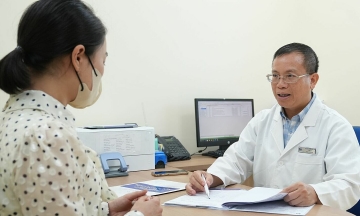
Master of Science, Doctor Le Thi Hong Hue, from the Department of Pediatrics at Tam Anh District 7 General Clinic, states that many children visit the clinic during Tet for coughs, fevers, runny noses, and difficulty breathing due to bronchitis, flu, and acute asthma. Below are some reasons that increase the risk of respiratory illnesses in children.
Changing weather, easy virus outbreaks
In northern Vietnam, mornings and late nights are often cold, while daytime brings warm sunshine. Cold air reduces the activity of the ciliary system in the respiratory tract lining, a mechanism that helps expel dust and viruses. When this mechanism is less effective, viruses can easily invade and cause illness. The ciliary system consists of tiny hairs in the nose and throat that help clear away dust and viruses.
Seasonal transition weather provides favorable conditions for respiratory viruses such as influenza, RSV, adenovirus, and others to spread rapidly. When children visit relatives for Tet, go on spring outings, or attend crowded parties, the risk of exposure to sources of infection is high.
Frequent travel, changes in routine
Tet is also a time when many families return to their hometowns, travel, or visit relatives. Long-distance travel by oto or plane, especially in enclosed, crowded spaces, increases the likelihood of respiratory illness transmission. Children often stay up late, do not get enough sleep, and eat irregularly. The immune system becomes less effective when children are sleep-deprived or tired, creating conditions for viruses and bacteria to attack.
Exposure to incense smoke, cooking smoke, fireworks
Incense smoke, cooking smoke, cigarette smoke, and fireworks contain many fine dust particles and irritants that affect the airways. These factors cause inflammation of the respiratory mucosa and increase bronchial spasm reactions. In children with allergic conditions or a history of asthma, some irritants can also trigger acute asthma attacks.
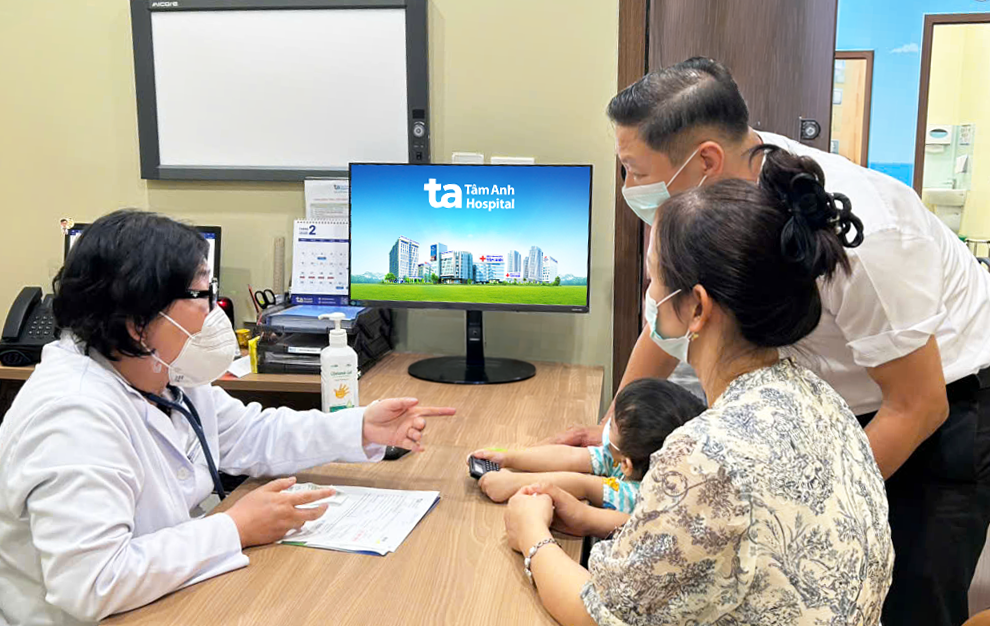 |
Doctor Hue advises parents on preventive measures for children's respiratory illnesses. Photo: Tam Anh District 7 General Clinic |
How to prevent respiratory illnesses
Common respiratory illnesses include acute pharyngitis, tonsillitis, bronchitis, bronchiolitis, pneumonia, and acute asthma. Most viral illnesses can resolve on their own with proper care.
To reduce the risk of respiratory illnesses during Tet, parents should keep children warm, limit taking them to crowded places, and avoid exposing them to incense smoke or cigarette smoke. Maintain a regular sleep schedule and ensure a balanced diet with increased vegetables and fruits. Teach children proper handwashing before eating and after using the toilet.
Parents can proactively prevent respiratory illnesses in children by getting annual flu vaccinations, pneumococcal vaccines, and RSV prevention for at-risk children. Do not self-medicate with antibiotics when children have a cough or runny nose. Most respiratory illnesses are caused by viruses and require monitoring and treatment as prescribed by a doctor.
Parents should take children to a medical facility early if unusual signs appear, such as a continuous high fever above 39 degrees C or a prolonged fever that is difficult to reduce, rapid breathing, shortness of breath, or refusing to feed. Additionally, severe symptoms like bluish lips, bluish extremities, groaning, fever-induced convulsions, or lethargy and difficulty waking are warning signs of a dangerous condition.
Children under five years old, premature or low-birth-weight infants, or those with underlying conditions such as asthma, chronic lung disease, or congenital heart disease have weaker immune systems and are more susceptible to complications when they contract respiratory illnesses. Parents need to closely monitor symptoms and take their children for early examination so a doctor can assess their condition.
Minh Tam
| Readers can send questions about neonatology here for doctors to answer |