Nasal congestion causes discomfort, disrupting sleep. Various factors cause this condition: allergies, dry air, colds, and flu. Each cause has distinct remedies to help individuals breathe easier and faster.
Nasal decongestant spray
In most cases of congestion from inflammation, nasal tissues swell, leading to breathing difficulty. Nasal decongestant sprays work by constricting swollen blood vessels. The medication targets the obstruction directly, offering rapid relief with fewer side effects than oral decongestants. However, this type of medication is usually prescribed for temporary, short-term use. Prolonged use can lead to dependency, causing adverse effects or complications for the nose and sinuses. Patients should use nasal sprays under the guidance of an ear, nose, and throat doctor.
Steaming
Humidifiers, steam from hot water, or warm showers provide warm vapor, thinning mucus and quickly clearing airways. Cool mist humidifiers can be used in bedrooms or living rooms. Steam from hot soup, broth, or warm tea can also clear the nose by aiding faster mucus drainage.
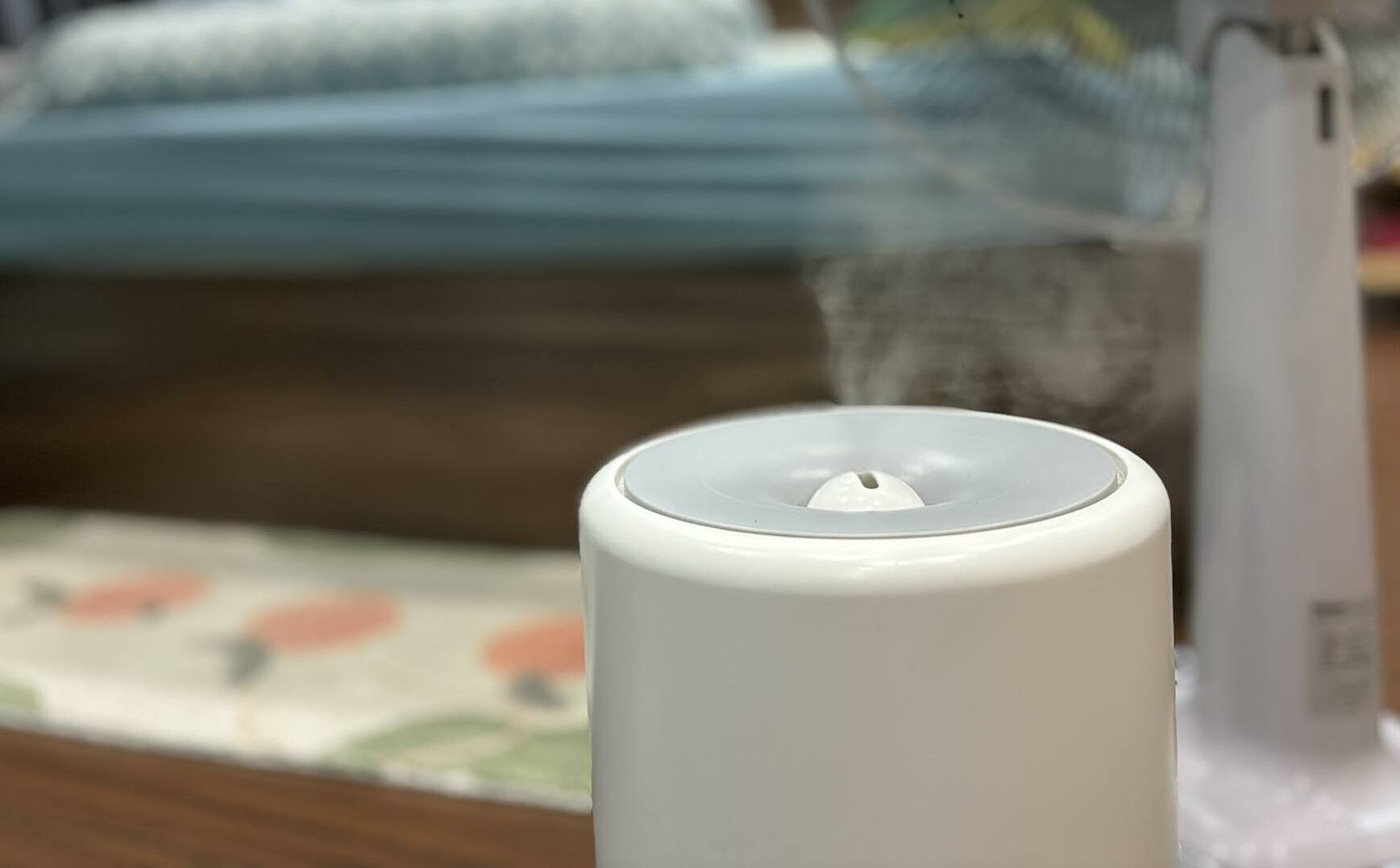 |
A humidifier provides moisture to the air. Photo: Anh Chi |
Zinc supplementation
Nasal congestion from colds or flu often relates to zinc deficiency. Zinc supports the immune system in fighting viruses. If cold symptoms like congestion and aches are detected early, individuals should supplement zinc from food to reduce viral load. Zinc does not instantly clear the nose but can shorten congestion duration. Zinc-rich foods include: crab, shrimp, beef, poultry, whole grains, milk, and dairy products. Supplementing with vitamin C and probiotics enhances immune function, leading to faster recovery.
Saline nasal rinse
Dry air can increase and thicken mucus, causing it to accumulate in the sinuses. Irritants in the nasal passages can also lead to inflammation. Saline solution helps soothe congestion by providing moisture and clearing airways.
You can instill saline one to two drops at a time, about two times daily, or use a nasal rinse bottle for better mucus removal. Saline with a 0.9% concentration is isotonic with body fluids, safe, and does not irritate or burn mucous membranes. This method suits individuals with congestion from rhinosinusitis, allergic rhinitis, colds, and similar conditions.
Antihistamine medication
Allergic rhinitis and weather irritation swell nasal tissues, stimulating increased mucus production, which can obstruct airways. For this cause, individuals are often prescribed antihistamine medication, which prevents allergies, reduces inflammation, and dries excess mucus. Use medication as directed by a doctor to avoid drug resistance.
Other supportive methods to reduce nasal congestion include chicken soup, which provides protein and water, helps reduce inflammation, moisturizes airways, and boosts immunity. When the body fights viruses, it expends more energy. Individuals need 7 to 9 hours of sleep nightly, stress reduction, and light exercise to increase resistance.
Anh Chi (According to EveryDay Health)
| Readers can ask questions about ear, nose, and throat conditions here for doctors to answer |