Ovarian hyperstimulation syndrome (OHSS) is a potential complication during ovarian stimulation for in vitro fertilization (IVF). This condition arises when the ovaries overreact to hormonal medication, leading to enlargement, fluid leakage, abdominal pain, bloating, and nausea. In severe cases, it can impact the circulatory system.
Most mild cases of OHSS resolve naturally. However, for certain patients, particularly those at high risk, the condition can progress severely, necessitating hospitalization and close monitoring. High-risk groups include young women, individuals with a lean body type, polycystic ovary syndrome, elevated ovarian reserve indicators, or numerous small antral follicles visible on early cycle ultrasound. Additionally, varying drug responses among patients make predicting the risk challenging. Patients with a history of OHSS in a previous stimulation cycle face a higher recurrence risk if their treatment protocol is not properly adjusted.
To mitigate the risk, doctors typically employ individualized ovarian stimulation protocols for each patient. Close monitoring of hormone levels and follicle count throughout the treatment allows for timely drug dose adjustments, preventing an excessive ovarian response.
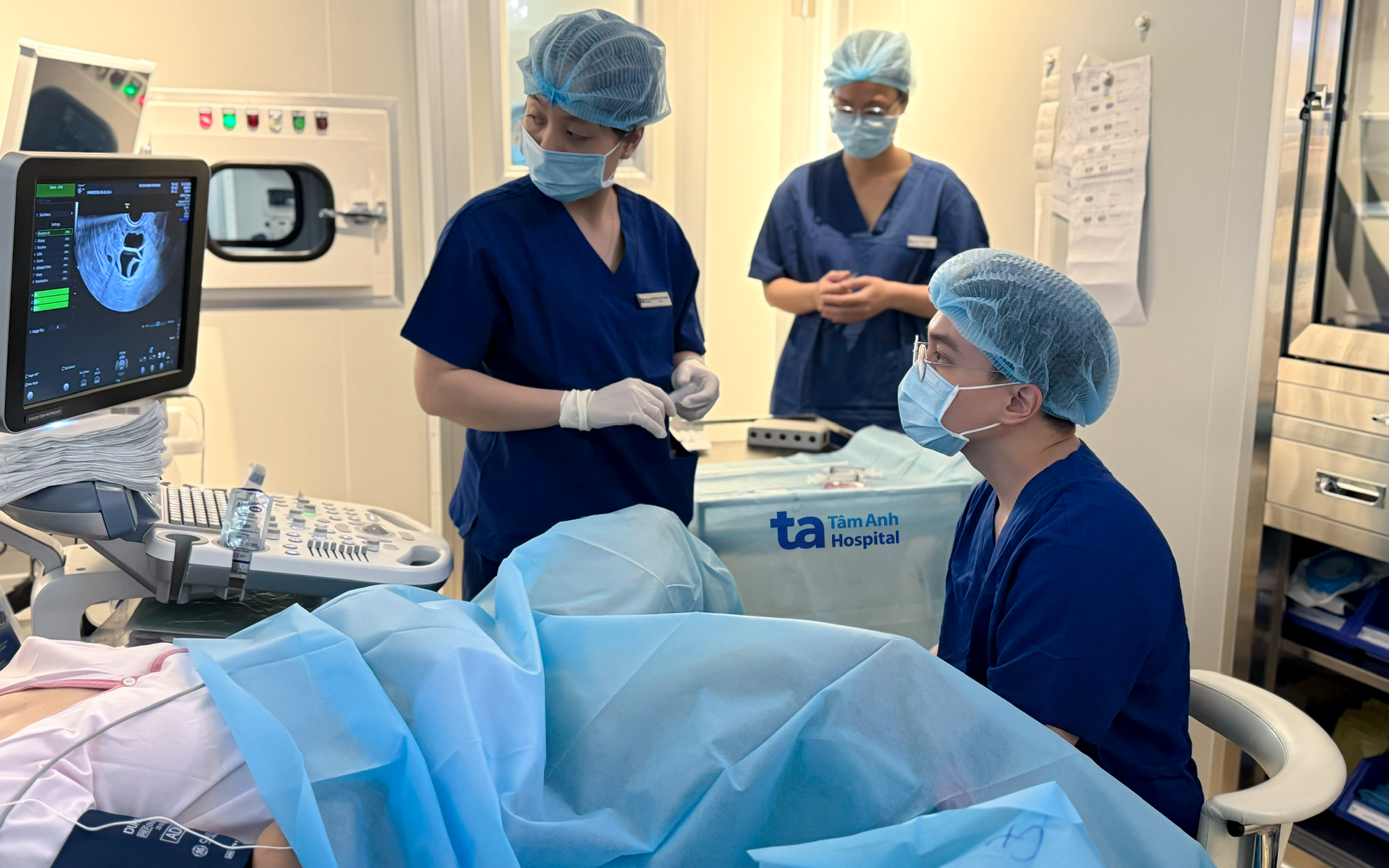 |
Doctor Minh performs egg retrieval for a patient. Illustrative photo: IVF Tam Anh - District 8.
One significant solution involves implementing mild ovarian stimulation protocols, utilizing lower drug doses to retrieve a moderate number of oocytes rather than pursuing maximal stimulation. This approach effectively reduces the severity of ovarian hyperstimulation while still ensuring a sufficient number of oocytes for embryo creation. This method also offers benefits such as cost savings, reduced stress, and less discomfort for patients during the ovarian stimulation period.
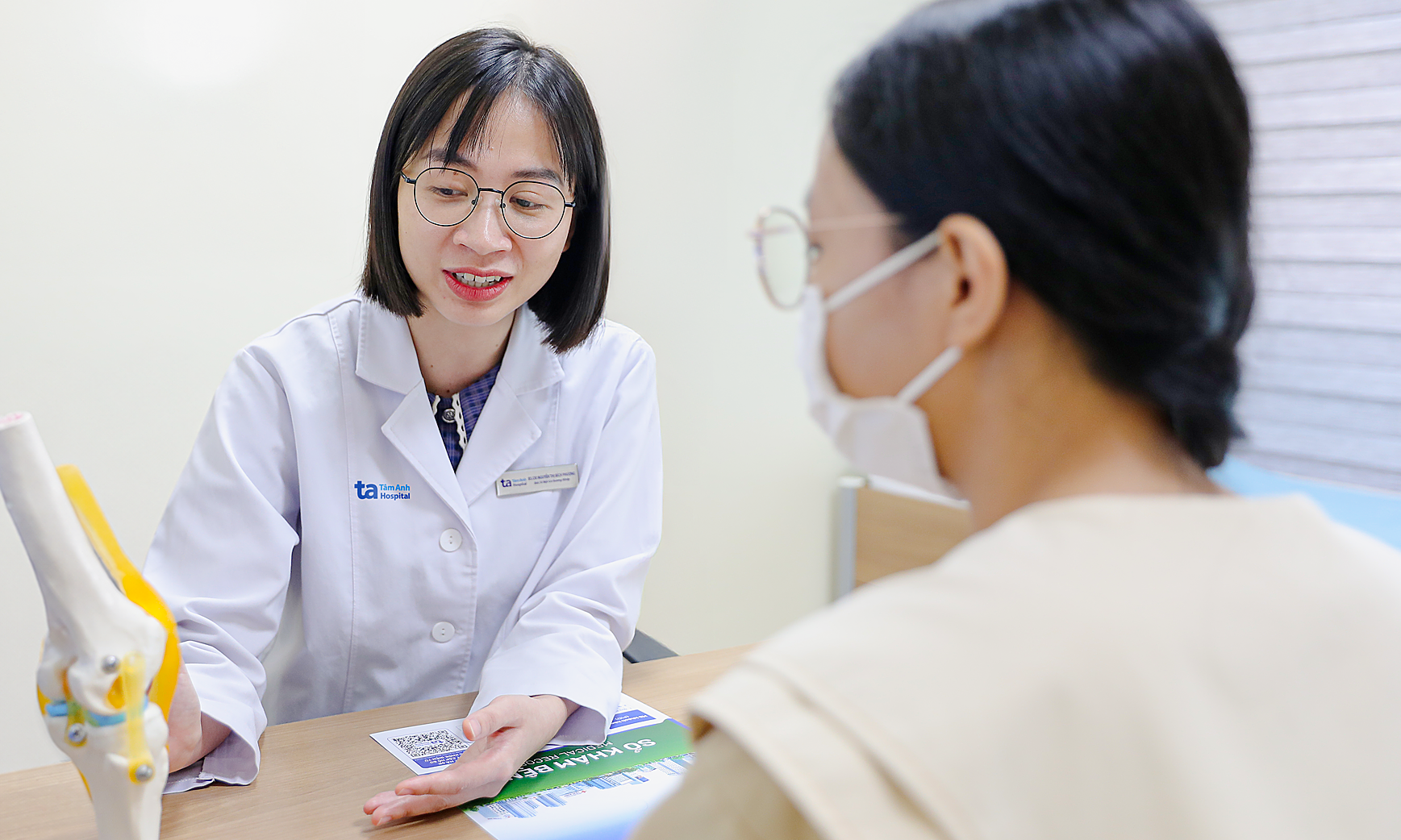
Given your history of OHSS, doctors must conduct a thorough evaluation before initiating a new stimulation cycle, assessing factors such as drug response, and oocyte quantity and quality. Based on this assessment, the doctor will adjust the ovarian stimulation protocol for your next attempt. Early consultation enables patients to manage the risk of recurrence and optimize their chances of pregnancy in subsequent IVF cycles.
At the Reproductive Support Center, Tam Anh General Hospital - District 8, doctors develop tailored ovarian stimulation protocols for patients with a history of OHSS. They closely monitor the body's response through ultrasound and hormone tests, allowing for timely medication adjustments. This approach reduces the risk of OHSS while ensuring effective treatment.
Beyond individualized protocols, advanced assisted reproductive technologies (ART) also play a role. These include embryo culture in high-standard lab systems, embryo monitoring with time-lapse technology integrated with artificial intelligence (AI), and embryo cryopreservation using vitrification. These techniques enable doctors to proactively select safer treatment strategies for patients. Consequently, many individuals who have previously experienced OHSS can still pursue IVF with a lower risk of complications and more favorable chances of pregnancy.
Doctor Le Cong Minh
Reproductive Support Center
Tam Anh General Hospital - District 8
| Readers can submit questions about infertility here for a doctor's response. |