Calcium
According to Eating Well, calcium plays a crucial role in maintaining bone density and strength, especially in menopausal women. As estrogen levels decline, bone loss accelerates, increasing the risk of osteoporosis. Adequate calcium intake provides the necessary building blocks to maintain bone structure. This mineral also supports muscle and nerve function, mobility, and reduces the risk of falls in older women.
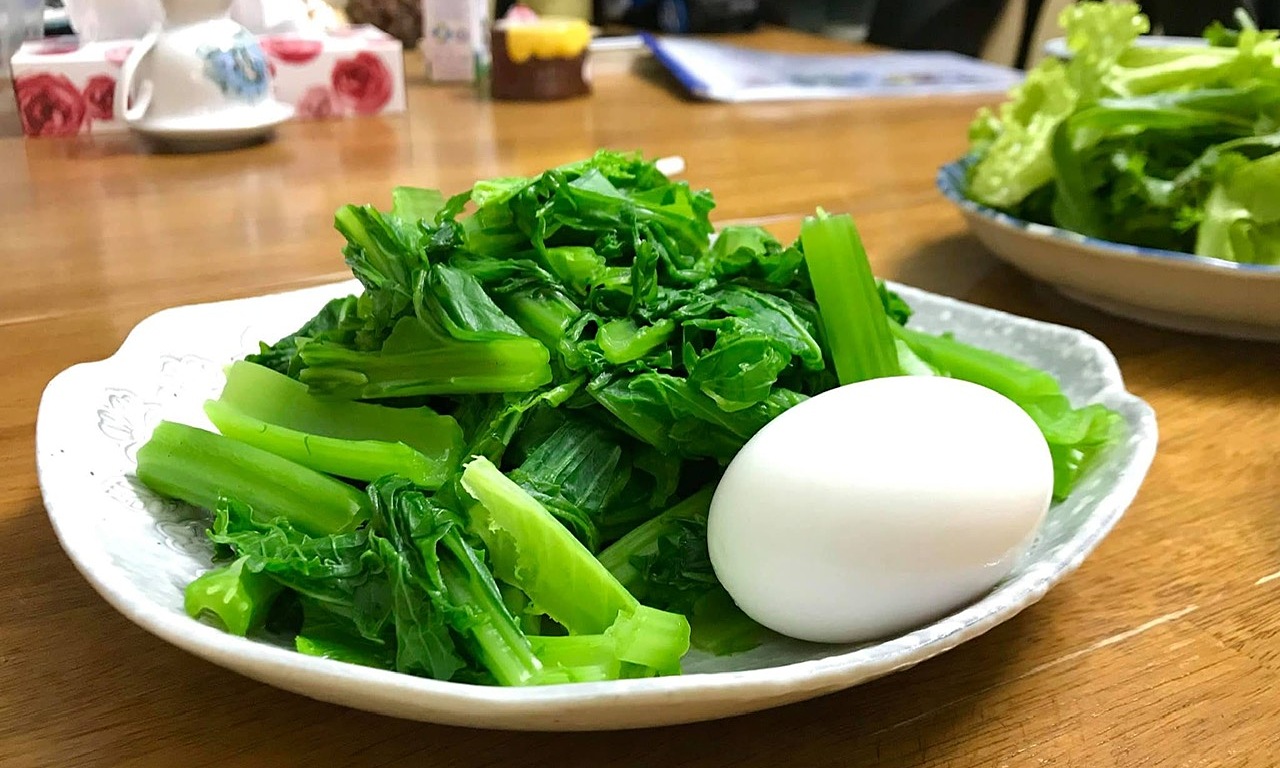
Women over 50 should aim for a daily intake of at least 1,200 milligrams of calcium. Dairy products, fatty fish, leafy green vegetables, and legumes are rich sources of calcium.
Vitamin D
Vitamin D helps the body absorb calcium from food and transport this mineral to bones to maintain their strength. A deficiency in this vitamin weakens bones, increasing fracture risk in menopausal women.
To maintain sufficient vitamin D, menopausal women should regularly expose themselves to morning sunlight and increase their intake of foods like salmon, egg yolks, mushrooms, and milk.
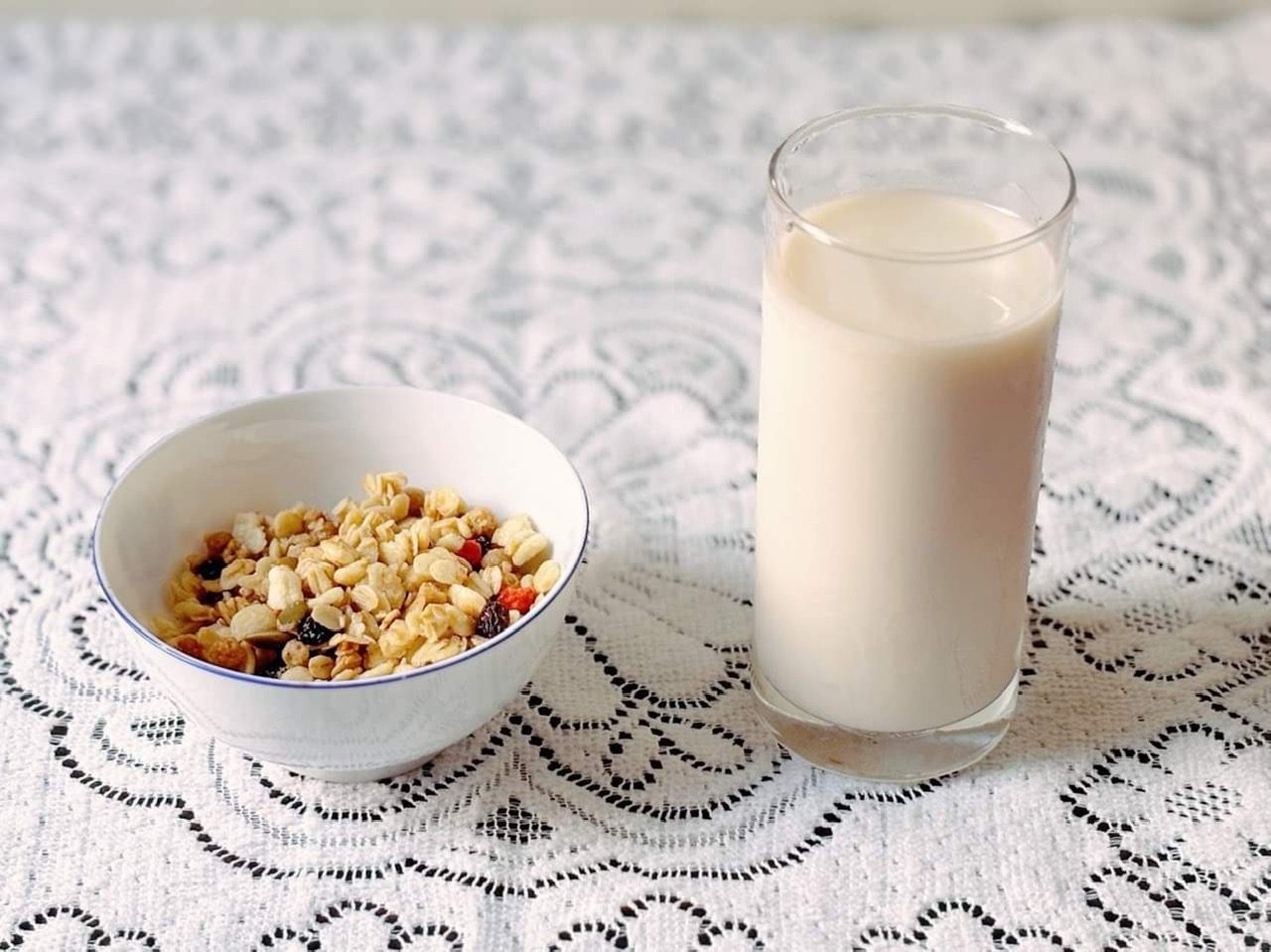 |
Milk is rich in calcium and healthy fats, good for bone health. Photo: Bao Bao
Phosphorus
Alongside calcium, phosphorus contributes to the formation of hydroxyapatite, the primary mineral component that gives bones and teeth their hardness and durability. Beyond its role in maintaining bone density, phosphorus also participates in cellular energy production and supports muscle and nerve function.
Vitamin K
Vitamin K helps maintain bone health by assisting the body in efficiently utilizing calcium during bone formation. This ensures bones remain strong and reduces osteoporosis risk with age.
Dark leafy green vegetables such as kale, spinach, collard greens, rau ngot, broccoli, fermented soybeans, egg yolks, liver, and dairy products are rich in vitamin K, according to WebMD.
Magnesium
Magnesium is a nutrient that enables vitamin D to function, thereby strengthening bone structure. Magnesium also supports nerve and muscle function, making it an essential part of overall health. Women can easily obtain sufficient magnesium through a balanced diet.
Protein
Protein contributes to collagen formation, a component that helps bones maintain their strength and flexibility. Adequate protein intake during middle age and menopause helps preserve muscle mass, maintain bone density, and reduce fracture risk with advancing age.
Omega-3 fatty acids
Omega-3 fatty acids, especially EPA and DHA, possess anti-inflammatory properties, contributing to bone health and aiding the body in optimal calcium utilization. Salmon is abundant in EPA and DHA. Middle-aged women should consume fatty fish at least two times each week to supplement omega-3. Walnuts, flaxseeds, and chia seeds also provide healthy fats.
Le Nguyen (Compiled)
| Readers can submit questions about obstetrics and gynecology here for doctors to answer. |