Answer:
Osteoarthritis results from mechanical and biological processes that disrupt the balance between cartilage synthesis and degradation, as well as subchondral bone. It is the most common inflammatory joint disease, characterized by inflammation that damages the entire joint. This damage ranges from central cartilage degeneration to synovial membrane inflammation, osteophyte formation, and damage to periarticular structures, leading to swelling, pain, joint stiffness, and loss of joint function.
Commonly affected joints include the knees, hands, and hips. Patients typically experience three stages of clinical symptoms with four levels of progression visible on joint X-rays.
 |
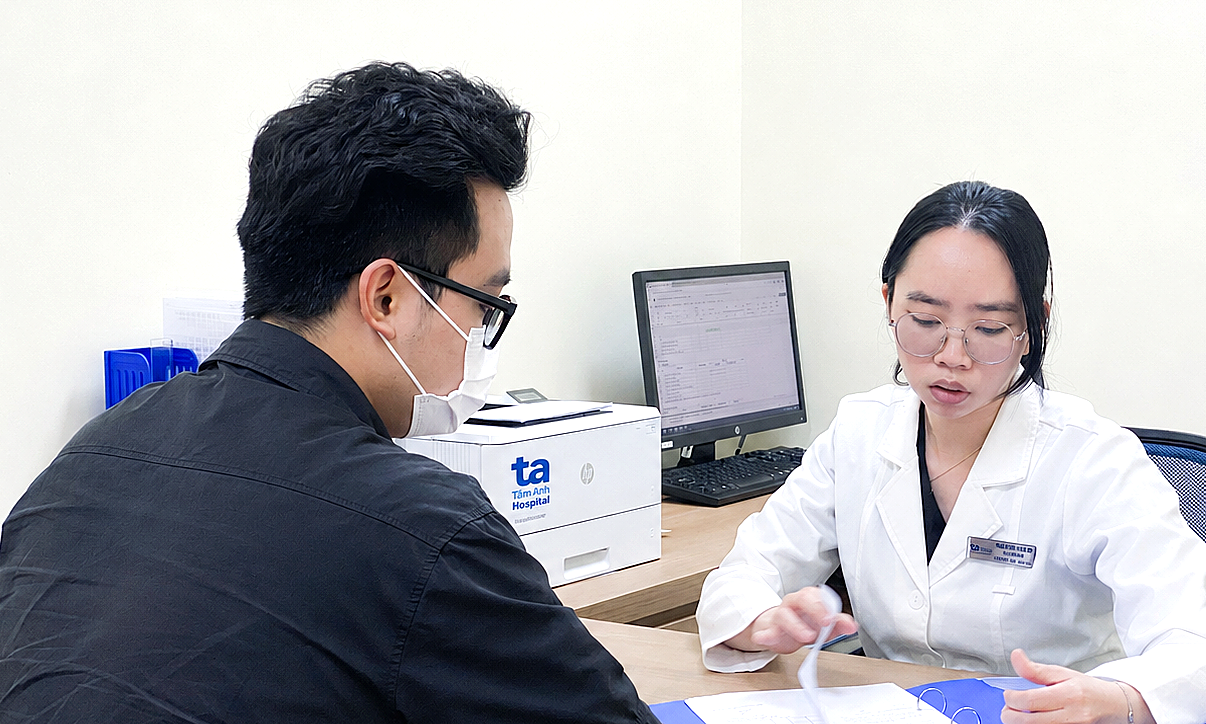
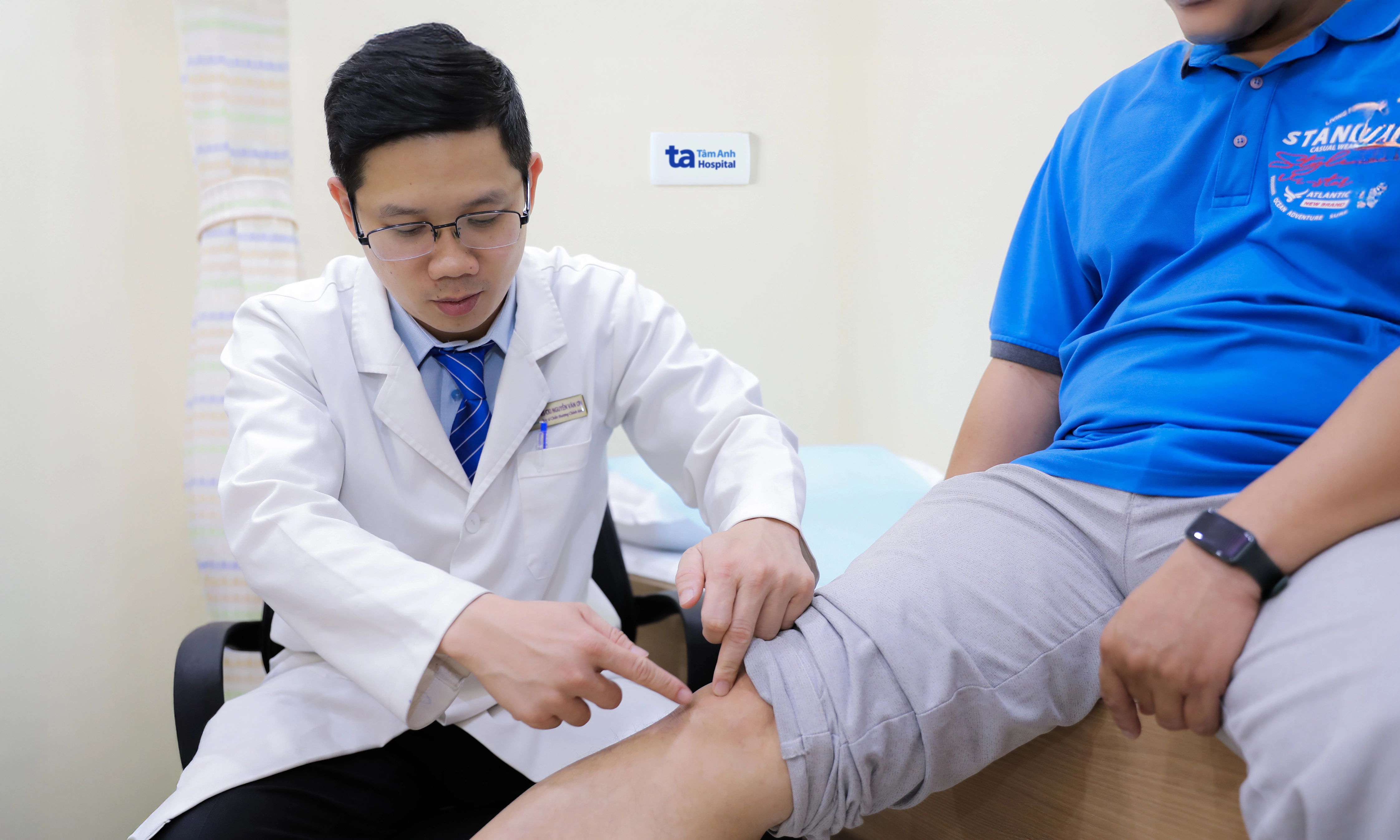
Doctor Phuong explains knee joint health. *Illustration: Tam Anh General Hospital*
In stage one, a small part of the articular cartilage is eroded, so patients typically feel little to no pain. The joint space is not yet narrowed, but small osteophytes (bone spurs) have begun to form.
In stage two, osteophytes are clearly visible on X-ray films, but the joint space is not excessively narrowed. Patients begin to experience initial symptoms such as joint pain after intense activity or awkward postures, and joint stiffness if inactive for several hours.
Stage three shows clear signs of cartilage wear and damage, with significant narrowing of the joint space. More osteophytes develop, subchondral bone sclerosis occurs, and bone deformation is suspected. Patients often experience persistent swelling, pain, discomfort, and joint stiffness in the morning or after prolonged rest.
In stage four, even a small movement causes intense pain and discomfort, often accompanied by swelling, inflammation, and joint stiffness, leading to joint deformity. This occurs because the articular cartilage layer is almost completely eroded, forming numerous large osteophytes. This causes severe narrowing of the joint space, subchondral bone sclerosis, and, in severe cases, deformation of the bone ends.
The goals of osteoarthritis treatment include pain reduction during disease flares, restoration of joint function, limitation and prevention of joint deformity, and enhancement of the patient's quality of life. Non-pharmacological treatments involve physical therapy, exercise, and weight loss for overweight or obese individuals (a 10% reduction in body weight can decrease knee osteoarthritis pain scores by 50% after 18 months). Pharmacological treatments include topical medications, oral medications, and intra-articular injections.
Your many years of living with osteoarthritis, coupled with good control of the condition, indicate that your current treatment approach is effective. You should continue to follow your doctor's instructions to prevent the disease from worsening and to delay the need for surgery.
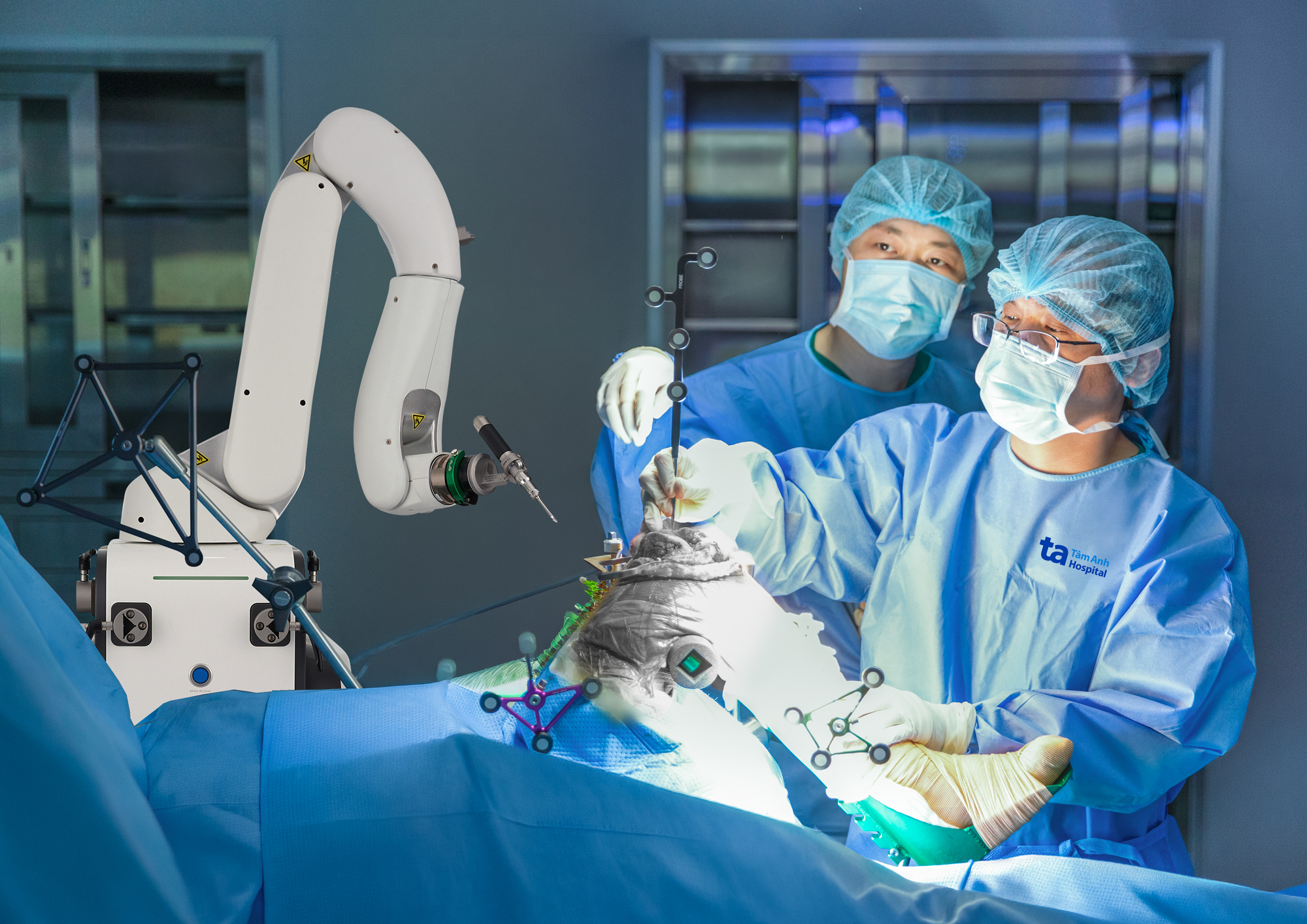 |
Doctors perform knee replacement surgery for a patient using the new generation Cuvis-Joint AI robot. *Photo: Tam Anh General Hospital*
Surgery is only indicated in severe, progressive cases of knee or hip osteoarthritis that do not respond to all conservative treatment therapies. Depending on the specific condition, patients may undergo surgery to repair damage or receive an artificial joint replacement.
Currently, many modern, minimally invasive surgical techniques help patients quickly alleviate pain and regain mobility. For example, with robot-assisted knee replacement using Cuvis-Joint, most patients can walk on the first day after surgery, significantly reducing the risk of complications.
Doctor Nguyen Thi Bich Phuong, Specialist Level One
Department of Musculoskeletal Internal Medicine
Tam Anh General Hospital, Ho Chi Minh City
| Readers can submit questions about musculoskeletal diseases here for doctors to answer. |