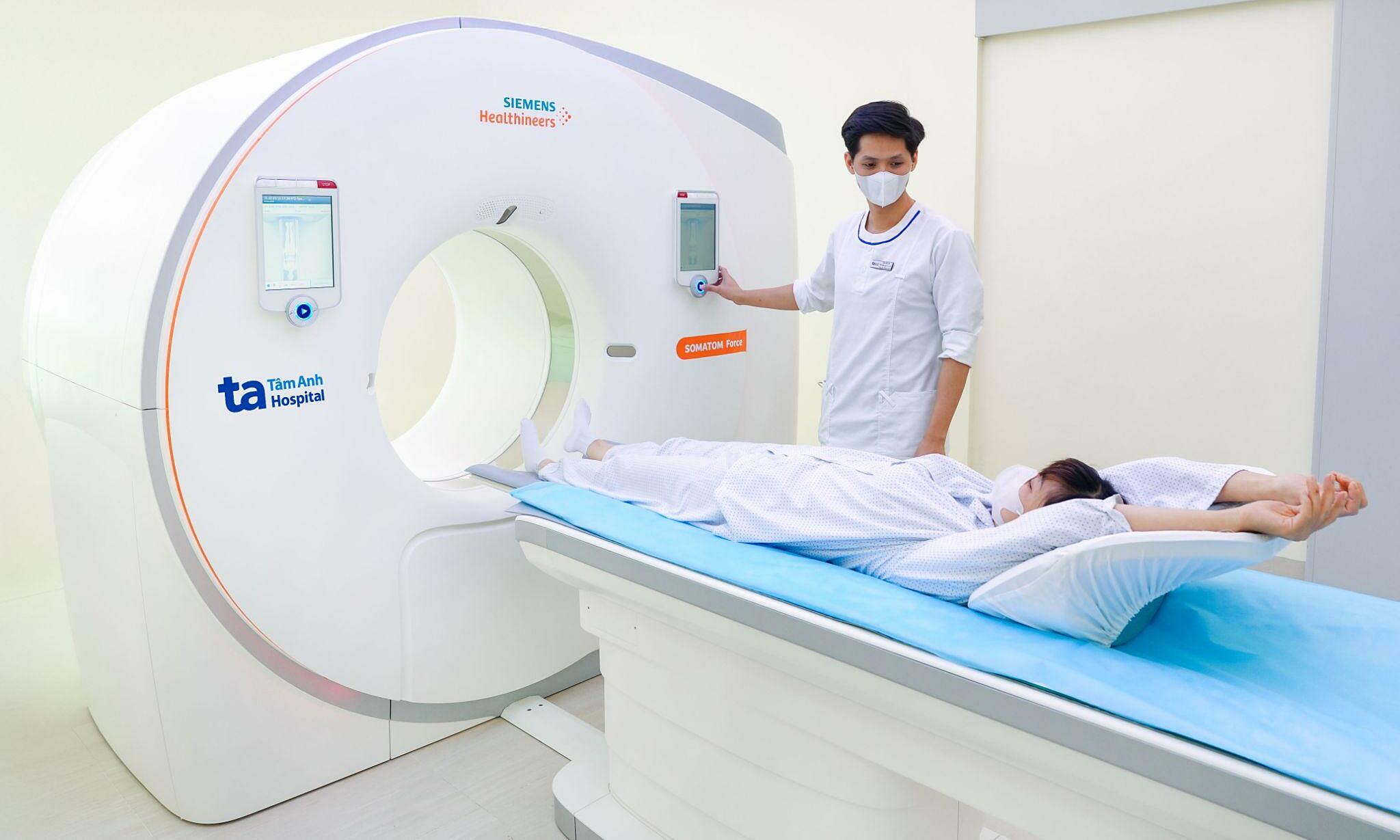
Doctor of First Degree Specialization Nguyen Huy Loc, from the Department of Radiation Therapy at Tam Anh General Hospital Ho Chi Minh City Oncology Center, explains that during treatment, high-energy radiation beams penetrate the skin to destroy cancer cells, inadvertently causing skin damage. Patients may experience mild redness, dryness, irritation, darkening, and peeling. In some cases, patients develop ulcers and blood discharge.
Doctor Loc provides guidance on skin care to help patients manage these complications.
Maintain cleanliness in the irradiated skin area by bathing daily with warm water. Avoid using water that is too hot or too cold when bathing. Use bath products with a neutral pH that are free from chemical fragrances, alcohol, or harsh detergents.
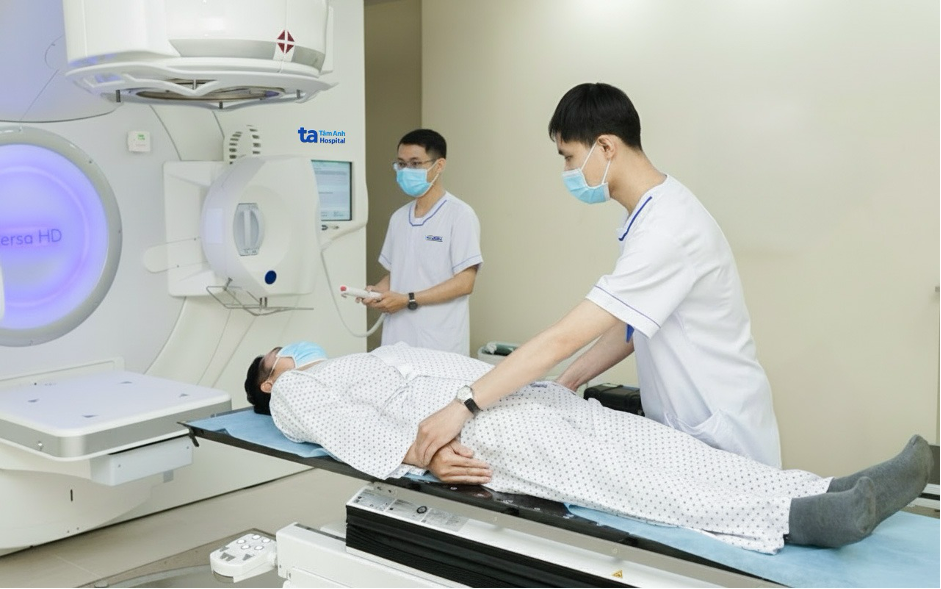 |
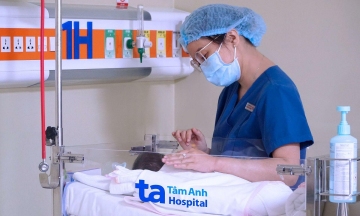
A technician prepares and adjusts the patient's correct lying position before radiation therapy. *Photo: Tam Anh General Hospital*
Patients should gently massage the skin and avoid using loofahs or brushes to scrub the surface. Do not attempt to remove the ink marks placed by the doctor, as these ensure accurate positioning for subsequent radiation sessions.
Begin moisturizing from the first days of radiation therapy to strengthen the skin's protective barrier. Opt for lightweight lotions containing aloe vera, chamomile, or similar gentle extracts.
Patients should avoid applying moisturizers 2-4 hours before entering the radiation therapy room, as this can increase the radiation dose to the skin and worsen irritation. Apply creams after completing radiation therapy, 2-3 times daily.
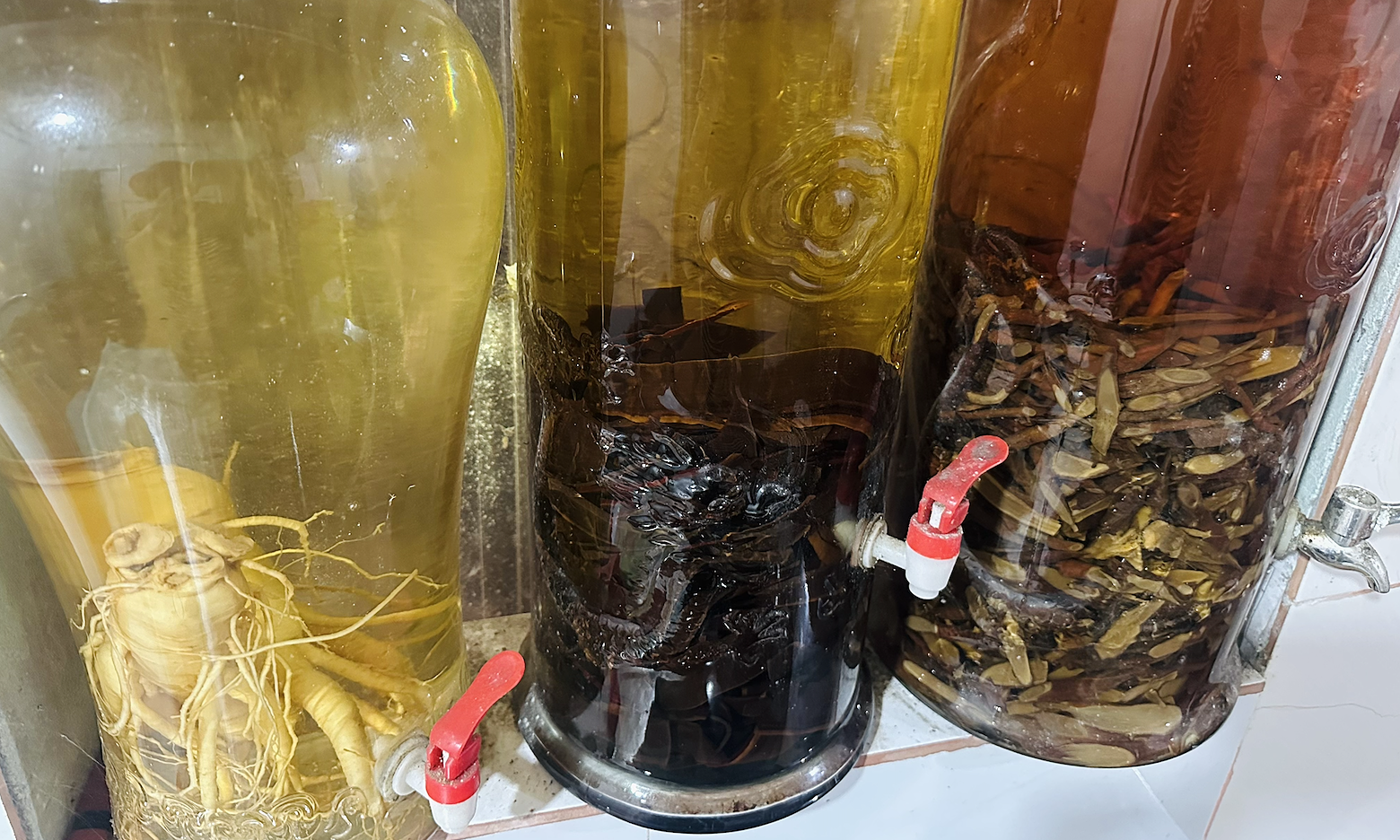
Absolutely avoid applying ice packs or hot water bags. Do not use a hairdryer directly on the irradiated skin or apply steam to the area. Patients must not independently apply herbal leaves, medicinal patches, or traditional remedies of unknown origin to the irradiated skin, as this carries a risk of bloodstream infection.
Wear loose-fitting clothing made from soft, sweat-absorbent materials. For radiation therapy to the neck area, patients should avoid wearing necklaces or scarves that rub against the skin. When outdoors, wear a wide-brimmed hat and long-sleeved shirts. If the skin experiences peeling, swelling, or pain, a doctor may prescribe low-dose corticosteroid cream or appropriate antibiotics.
Doctor Loc states that high-tech radiation therapy using a linear accelerator helps reduce side effects for patients. With an intensity three times greater than conventional machines, each radiation session lasts only about 10 minutes. Techniques like intensity-modulated radiation therapy (IMRT) and volumetric modulated arc therapy (VMAT) fractionate the radiation beams and deliver them from multiple angles, focusing on the tumor while limiting impact on surrounding healthy skin and tissue.
Nguyen Tram