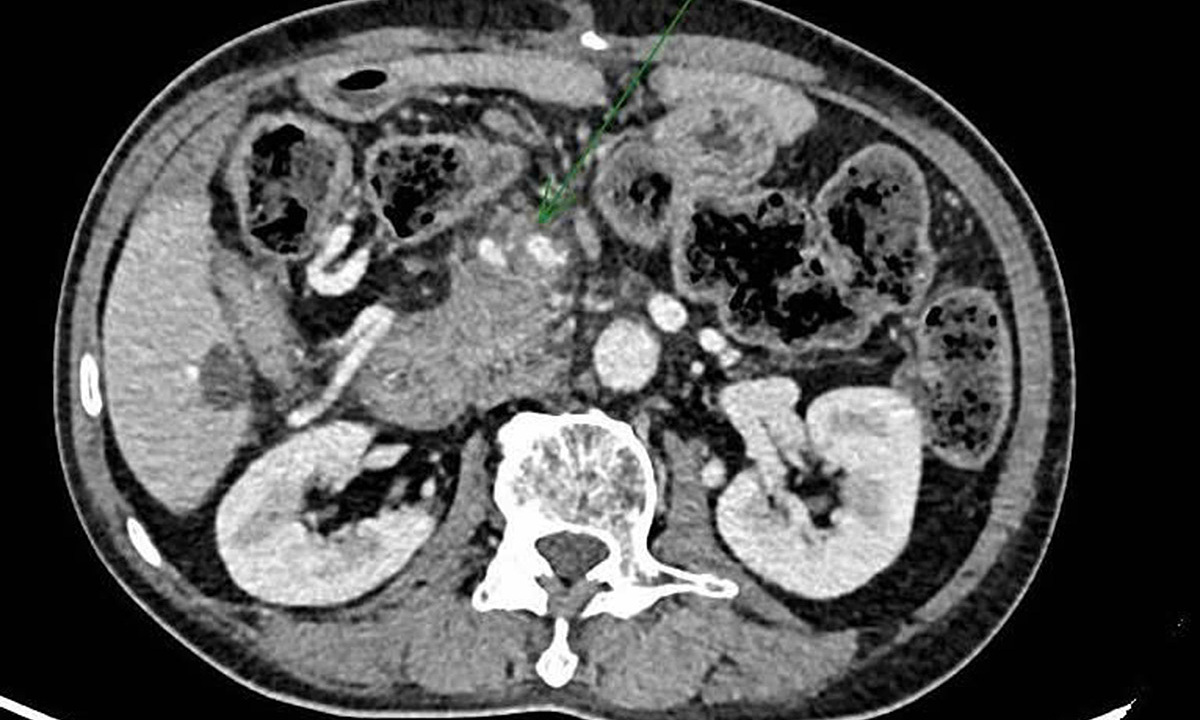
Vietnam currently has approximately 12,8% of its population, or over 8,7 million people, suffering from chronic kidney disease. The annual incidence of new cases is around 8,000, with those aged 18-30 accounting for 20-30%. Up to 800,000 people require dialysis, representing 0,1% of the population, according to statistics from the Ho Chi Minh City Nephrology Association.
The kidneys are vital organs that filter waste, balance electrolytes, regulate blood pressure, and maintain fluid balance. Kidney damage often progresses silently, showing no clear symptoms in its early stages. However, numerous studies indicate that lifestyle plays a significant role in long-term kidney health. Consequently, certain groups are more susceptible to kidney disease than others.
Excessive salt intake
A diet high in salt is strongly linked to elevated blood pressure, placing considerable strain on the kidneys. The World Health Organization recommends adults consume less than 5 g of salt daily, with children needing less based on age. Many individuals, however, exceed this recommendation due to frequent consumption of processed foods, packaged goods, or dining out.
When sodium levels in the body are high, the body retains water to dilute it, leading to increased blood pressure. This long-term condition can damage the small blood vessels in the kidneys, which are responsible for filtering blood.
Misuse of painkillers
Overuse of non-steroidal anti-inflammatory drugs (NSAIDs) can lead to kidney damage. According to the National Kidney Foundation in the US, these medications reduce blood flow to the kidneys by inhibiting prostaglandins, substances that help maintain renal circulation. The risk is higher for older adults or those with pre-existing kidney conditions.
Inadequate hydration
Water is crucial for flushing toxins through urine. Insufficient water intake reduces urine volume, allowing minerals to accumulate in the kidneys. This increases the risk of kidney stone formation and impairs the organ's filtering function.
Frequent consumption of ultra-processed foods
Ultra-processed foods, such as fast food, soft drinks, and processed meats, are often high in sodium, phosphorus, and preservatives. High consumption of these foods raises the risk of chronic kidney disease, with phosphorus additives particularly detrimental to kidney function.
Prolonged sleep deprivation
Sleep is vital for kidney function. Sleep deprivation disrupts the circadian rhythm, an essential factor for efficient kidney operation. Poor quality sleep or sleeping less than 6 hours per night can increase the risk of kidney disease.
Experts recommend reducing salt intake, using medications correctly, drinking enough water (1,8-2 liters for adults), limiting processed foods, and getting adequate sleep (7-9 hours per night) to protect kidney function. Maintaining healthy lifestyle habits is crucial for efficient kidney operation and reducing disease risk.
Bao Bao (According to Times of India)