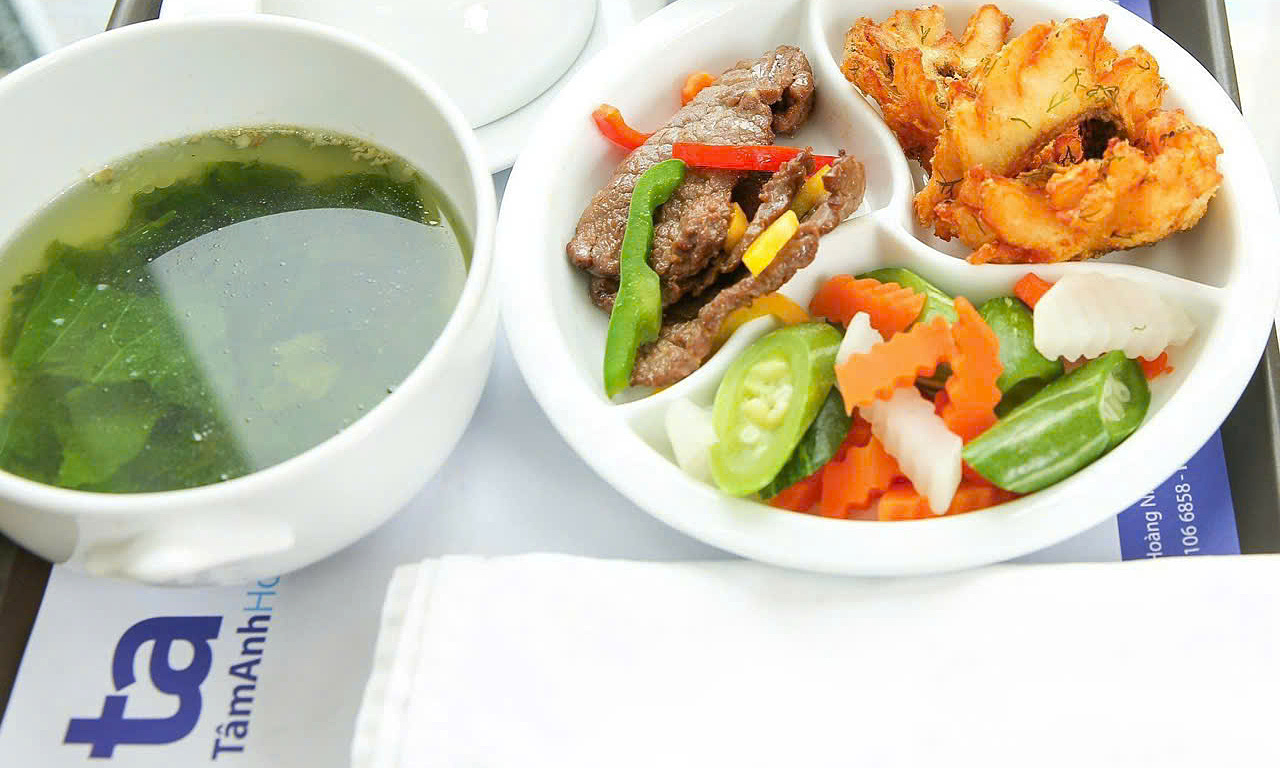
Red meat, rich in purines, is often recommended for limitation when uric acid levels are elevated. However, this is not the only factor influencing blood uric acid concentrations. Experts state that food choices, beverages, and overall dietary patterns also play a significant role in managing gout and reducing the risk of recurrent attacks.
**Prioritize low-fat milk and yogurt**
Many believe that those with gout should restrict dairy products; however, low-fat milk can actually offer benefits. The protein in milk can help the body excrete uric acid through urine, thereby lowering its concentration in the blood.
According to the Mayo Clinic, individuals with high uric acid should prioritize low-fat milk and yogurt as protein sources to partially replace red meat. Beyond aiding uric acid control, these foods also provide calcium and other essential nutrients for the body.
**Increase vitamin C-rich foods**
Vitamin C can contribute to reducing blood uric acid concentrations by increasing renal excretion. Instead of relying solely on supplements, prioritize natural vitamin C sources such as oranges, grapefruits, kiwis, strawberries, guavas, or bell peppers.
Medical News Today suggests lemon water is a suitable option, as it contains vitamin C and has a lower fructose content than many other fruit juices.
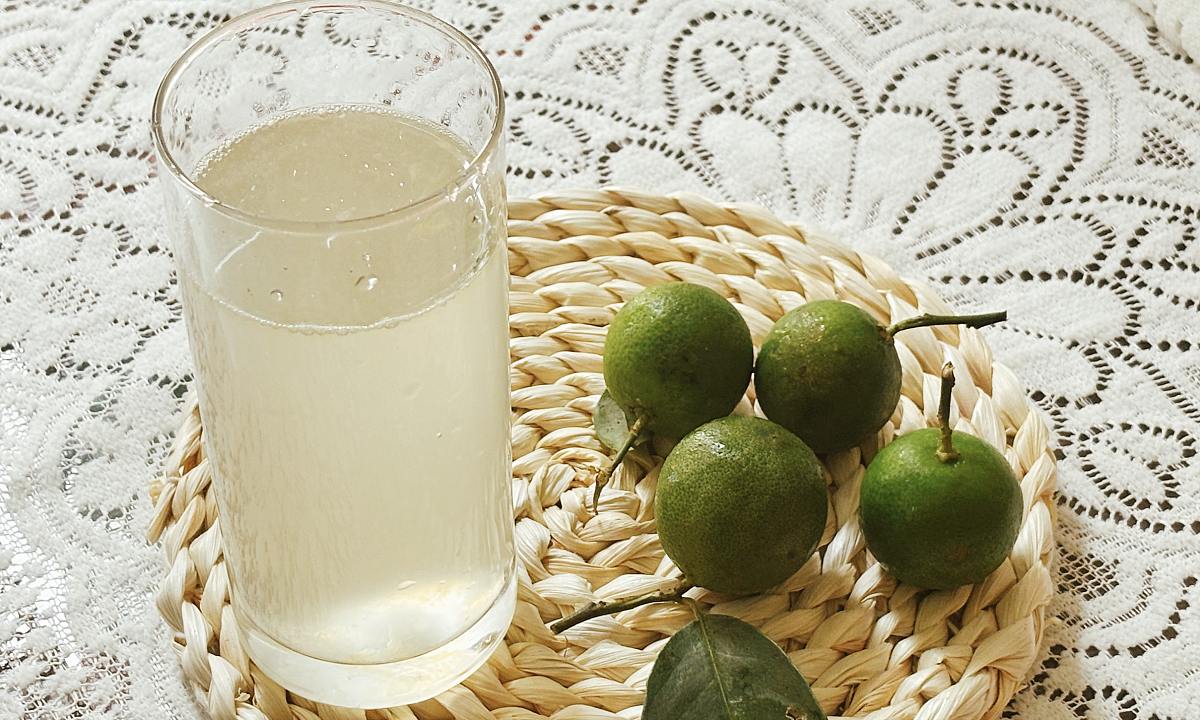 |
Lemon water, rich in vitamin C, helps reduce uric acid concentrations. *Bao Bao*
**Adopt the DASH diet**
Rather than focusing solely on eliminating a few foods, experts advocate for building a balanced diet. The DASH diet, originally designed to help control blood pressure, can also benefit individuals with high uric acid.
This diet prioritizes green vegetables, fruits, whole grains, legumes, and low-fat dairy, while limiting red meat, processed foods, and high-salt dishes. This eating pattern not only helps improve cardiovascular health but also contributes to reducing gout risk in some individuals.
**Limit fructose-containing beverages**
Beyond red meat, sugary drinks can also elevate uric acid. When fructose is metabolized, the body produces more purines, which in turn increases uric acid production.
These beverages include soft drinks, energy drinks, milk tea, or bottled juices with added sugars. Instead, plain water, unsweetened tea, or moderate amounts of unsweetened coffee are more suitable choices.
**Incorporate apples into your daily diet**
Apples are a fruit rich in fiber and vitamin C, and low in purines, making them suitable for individuals with high uric acid levels. Fiber supports metabolism and weight management, two factors linked to an increased risk of high uric acid.
Consuming apples can help manage blood uric acid concentrations due to their malic acid and antioxidant compounds. Experts recommend viewing apples as part of a balanced diet; they can be enjoyed as a snack, eaten with low-fat yogurt, or added to smoothies.
*Bao Bao* (Compiled)