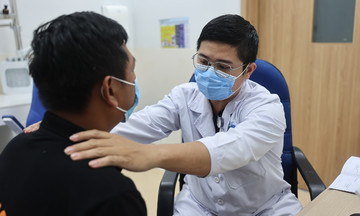
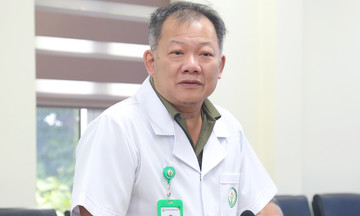
According to Dr. Mai Ho Duy, Head of the Emergency Department at Xuyen A General Hospital, TP HCM, when you find yourself isolated after an accident, your immediate priority is to conduct a self-assessment of your condition. This assessment should follow a critical sequence:
- A - airway: Ensure a clear airway by removing any foreign objects from your mouth. If you experience difficulty breathing, try to maintain a sitting or semi-sitting position to facilitate easier respiration.
- B - breathing: Focus on breathing steadily and slowly. Seek out a warm, well-ventilated area where you can rest.
- C - circulation: Check for any bleeding. For heavily bleeding wounds, apply direct pressure with a clean cloth to stop the flow and manage the wound.
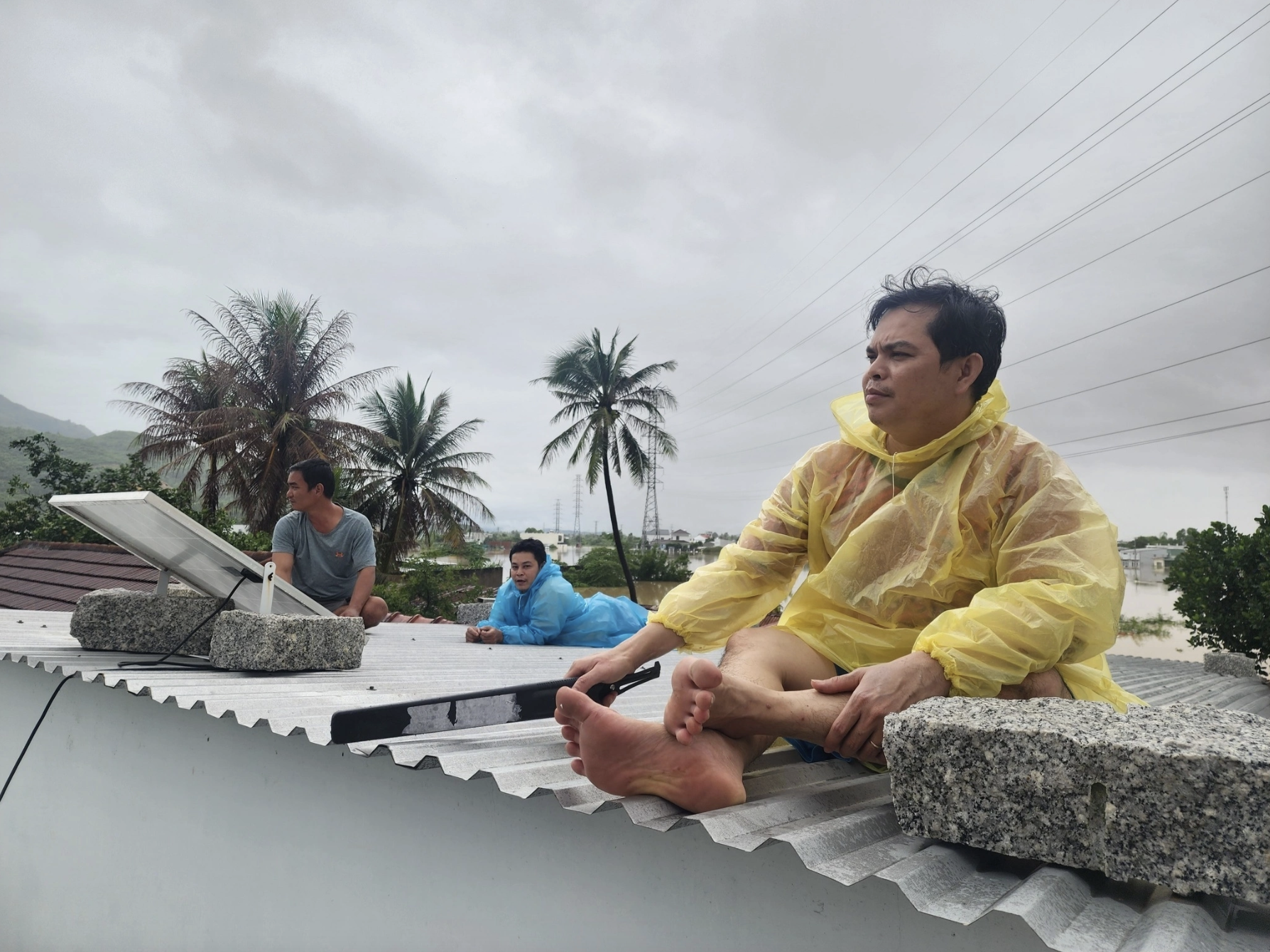 |
Residents of Nam Nha Trang ward sit on a rooftop awaiting rescue, morning of 20/11. Photo: Bao Hoa
Basic wound care
Proper wound care is crucial to prevent infection and promote healing. Begin by thoroughly cleaning the wound with clean water, preferably cooled boiled water. If clean water is unavailable, use any potable water. If you have 10% povidone-iodine solution, use it to disinfect the wound. It is imperative to avoid applying harsh substances such as highly concentrated homemade saline solution, strong alcohol, gasoline, lemon, or garlic to wounds, as these can cause burns or worsen infections.
Once cleaned, dress the wound. Use medical gauze and secure it with a bandage to cover the wound. If medical gauze or bandages are not available, a clean cloth can serve as an effective alternative. Continuously monitor the wound for signs of infection, which include redness, swelling, warmth, pain, and pus. If these signs appear, seek medical assistance as soon as possible.
Fractures
If you suspect a fracture, the primary rule is to immobilize the broken bone and restrict movement. Use readily available materials such as wood, splints, or stiff branches to stabilize the fractured limb. Never attempt to reset a broken bone yourself. If possible, apply a cold compress to the affected area for a maximum of 20 minutes per application to reduce swelling and pain.
Fever
To manage a fever, focus on hydration and cooling. Drink plenty of water to prevent dehydration. Use a wet cloth to cool your body down, particularly on the forehead and pulse points. Ensure you get adequate rest to allow your body to recover.
Dehydration
Recognizing and addressing dehydration early is vital. Be aware of the signs of mild dehydration: thirst, dry mouth, fatigue, and less frequent urination than usual. Severe dehydration presents with more critical symptoms, including intense thirst, sunken eyes, dry skin, a rapid heart rate, low blood pressure, confusion, seizures, and anuria (absence of urine production). If you experience severe symptoms, seek medical help.
To manage dehydration, drink plain water regularly, taking small, steady sips throughout the day. Oral rehydration solution (Oresol) is an effective way to replenish fluids and essential minerals; mix it strictly according to package instructions. If Oresol is unavailable, you can prepare a solution using the formula: 1 liter of water, 6 teaspoons of sugar, and one-half teaspoon of salt. Natural beverages like coconut water, thin rice porridge water, broth, or diluted fruit juice are also good options. Crucially, avoid unsuitable drinks such as alcohol, beer, coffee, carbonated soft drinks, or concentrated fruit juices, as they can worsen dehydration. Rest is important; avoid strenuous physical activity and find a cool place to rest until your body is fully rehydrated.
Hypothermia
If you experience hypothermia, immediately move to a warm place and remove any wet clothing. Keep your body warm with dry clothes, blankets, and offer warm water if you are conscious. Seek medical help if your condition does not improve. There are important precautions to observe: Do not apply direct heat using heat lamps or hot water bottles directly on the skin, as this can cause burns and sudden vasodilation, which is dangerous. Do not drink alcohol, as it can dilate peripheral blood vessels, causing body temperature to drop more rapidly. Lastly, do not attempt to warm up by taking a hot bath, as this can cause heat shock and be life-threatening.
Absolute don'ts
In a survival situation, certain actions must be avoided to prevent further harm. Do not arbitrarily apply alcohol, gasoline, lemon, garlic, or leaves of unknown effect to wounds. Never attempt to reset a broken bone yourself. Do not use a knife to incise abscesses or pus, as this can easily lead to sepsis. Finally, do not withhold drinking water to "save" it; consistent hydration is essential for survival.
How to sustain life long-term
For prolonged survival, focus on maintaining core body temperature by using dry clothes and adding insulation like leaves or fabric. Maintain a stable mental state by practicing deep breathing exercises and avoiding panic. Plan to conserve energy by eating small, regular meals and ensuring you drink enough water. Crucially, create distress signals using methods such as smoke, bright-colored fabric, or arranging stones into an SOS symbol to attract potential rescuers.
My Y