In winter, moving from a warm room to a cold changing room or bathroom can trigger sudden temperature changes that severely fluctuate blood pressure, placing significant stress on the heart and blood vessels. This situation, combined with erratic blood pressure changes, leads to dangerous events such as myocardial infarction and cerebral stroke, also known as "thermal shock".
Doctor Kondo, a neurosurgery specialist at SO Grace Clinic in Tokyo, confirms a close link between thermal shock and cerebral infarction. This is a primary reason many elderly individuals collapse in bathrooms or changing rooms during cold weather.
Thermal shock occurs when the body experiences an abrupt change in temperature. To maintain a stable core body temperature, the body must regulate blood pressure by constricting or dilating blood vessels according to the surrounding environment. In a cold environment, blood vessels constrict to prevent heat loss, causing blood pressure to surge. Conversely, in a hot environment, blood vessels dilate to release heat, leading to a rapid drop in blood pressure. Frequent and sudden fluctuations in blood pressure over a short period create immense pressure, overwhelming both blood vessels and the heart.
Winter is a common time for thermal shock, especially during bathing. The entire process from moving between rooms to finishing a bath creates a "blood pressure rollercoaster" that can directly lead to a stroke. This process unfolds in three stages.
The risk begins in the first stage when the body is exposed to sudden cold. This causes severe constriction of blood vessels, pushing pressure on the cerebral vascular system to an alarming level. For individuals with existing atherosclerotic plaques, the turbulent blood flow under high pressure can dislodge these plaques, causing blockages in the vessels and leading to an immediate stroke.
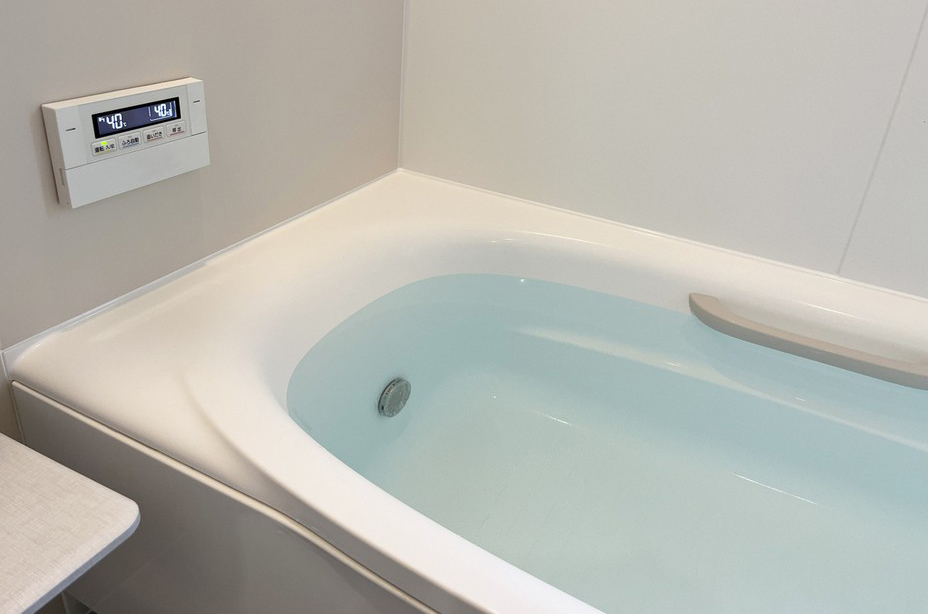 |
Thermal shock often occurs in winter when bathing with hot water. Illustration: Yahoo Japan |
The danger escalates when stepping into a hot bath. At this point, the heat rapidly dilates blood vessels, and the water pressure on the heart causes blood pressure, previously at its peak, to suddenly "freefall". A deep drop in blood pressure reduces blood flow to the brain, slowing and stagnating circulation. This creates an ideal environment for blood clots to form, blocking cerebral blood vessels, and potentially causing the bather to suddenly faint and face the risk of drowning in the tub.
After warming up and returning to the changing room, blood vessels constrict once more, causing blood pressure, which was low, to suddenly spike. Similar to the first stage, the vascular system must again endure another period of significant pressure.
To protect yourself and your family, especially during cold days, the doctor suggests a "golden rule" to prevent sudden blood pressure fluctuations. The first step is to warm the space using a heater or by running hot water from the shower before bathing. When contacting water, maintain a moderately warm temperature (below 41°C) and avoid soaking for more than 15 minutes. Next, instead of immediately stepping into the tub or dousing your body with water, gently pour warm water over your hands and feet, the parts furthest from the heart. This method helps blood vessels dilate gradually and allows the body time to adapt to the water temperature, avoiding sudden stress on the heart.
Bathing immediately after eating or drinking alcohol is a habit to avoid. Alcohol lowers blood pressure, and combining it with a hot bath will cause significant blood pressure fluctuations. Additionally, after a full meal, blood flow needs to prioritize digestive organs. After eating, it is necessary to rest for at least one hour for the body to stabilize before bathing.
Elderly people are the group most susceptible to thermal shock due to their less flexible vascular systems. Therefore, younger family members should bathe first to allow warm steam to accumulate, helping to raise the bathroom temperature before the elderly enter. Throughout this process, family members should regularly check in and call out from outside to promptly detect and handle any unusual situations.
Before and after bathing, the expert advises drinking one glass of plain water or warm, caffeine-free tea. Drinking water helps replenish fluids lost through sweating, preventing "thick blood", a factor in the formation of blood clots that block blood vessels.
Binh Minh (According to Yahoo Japan)