Answer:
There are several gastroscopy methods available, including oral endoscopy, nasal endoscopy, sedation endoscopy (painless), and capsule endoscopy.
You can choose sedation endoscopy, which significantly reduces discomfort, nausea, and the gag reflex during the procedure. An anesthesiologist administers intravenous medication to induce a brief sleep, then guides the endoscope through the mouth to examine the esophagus, stomach, and duodenum.
During the endoscopy, doctors utilize advanced imaging technologies, high magnification, and electronic chromoendoscopy to observe the mucosa, the surface structure of the gastric mucosa, the vascular system, and glandular structures. This approach helps doctors detect very small lesions that conventional endoscopy might miss.
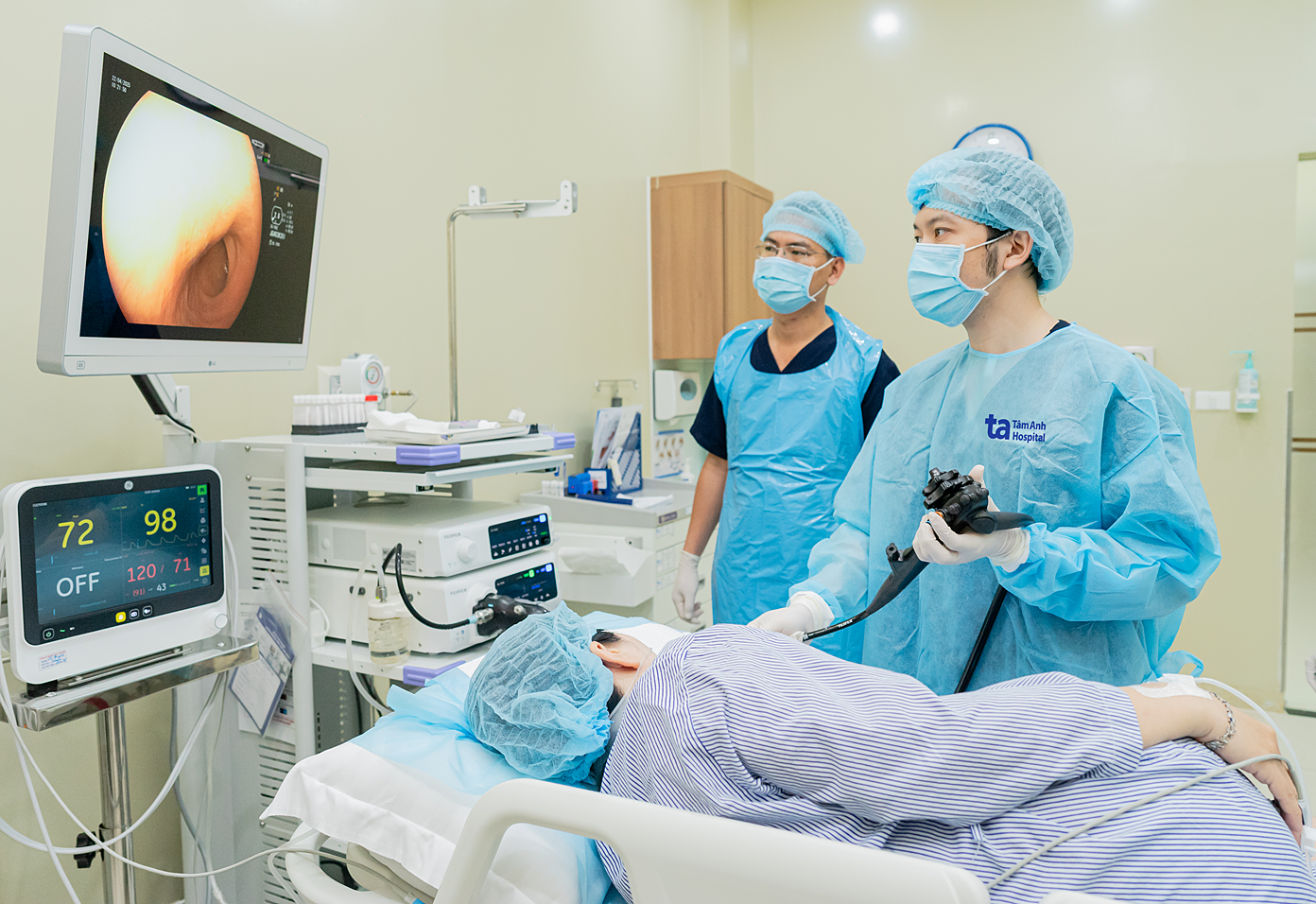 |
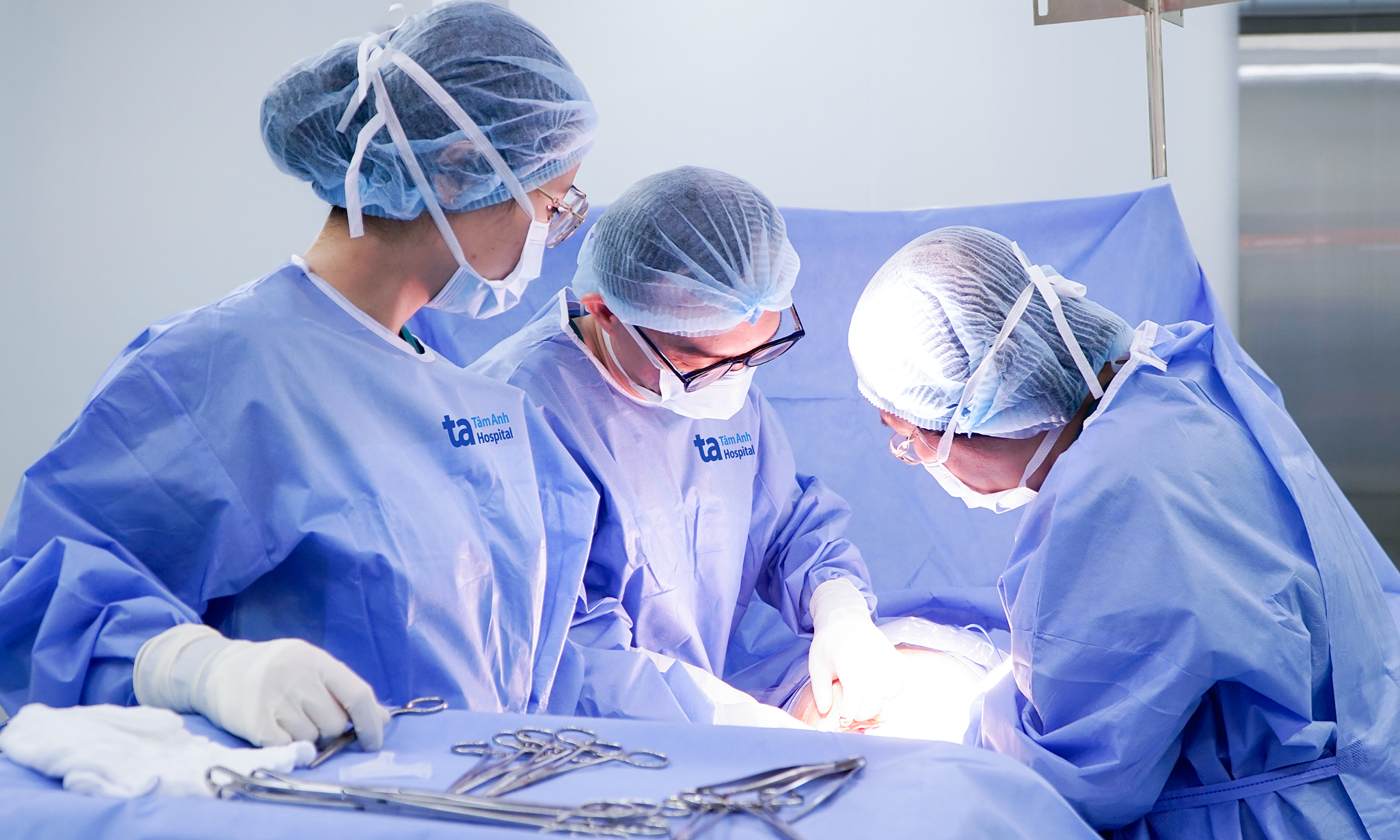
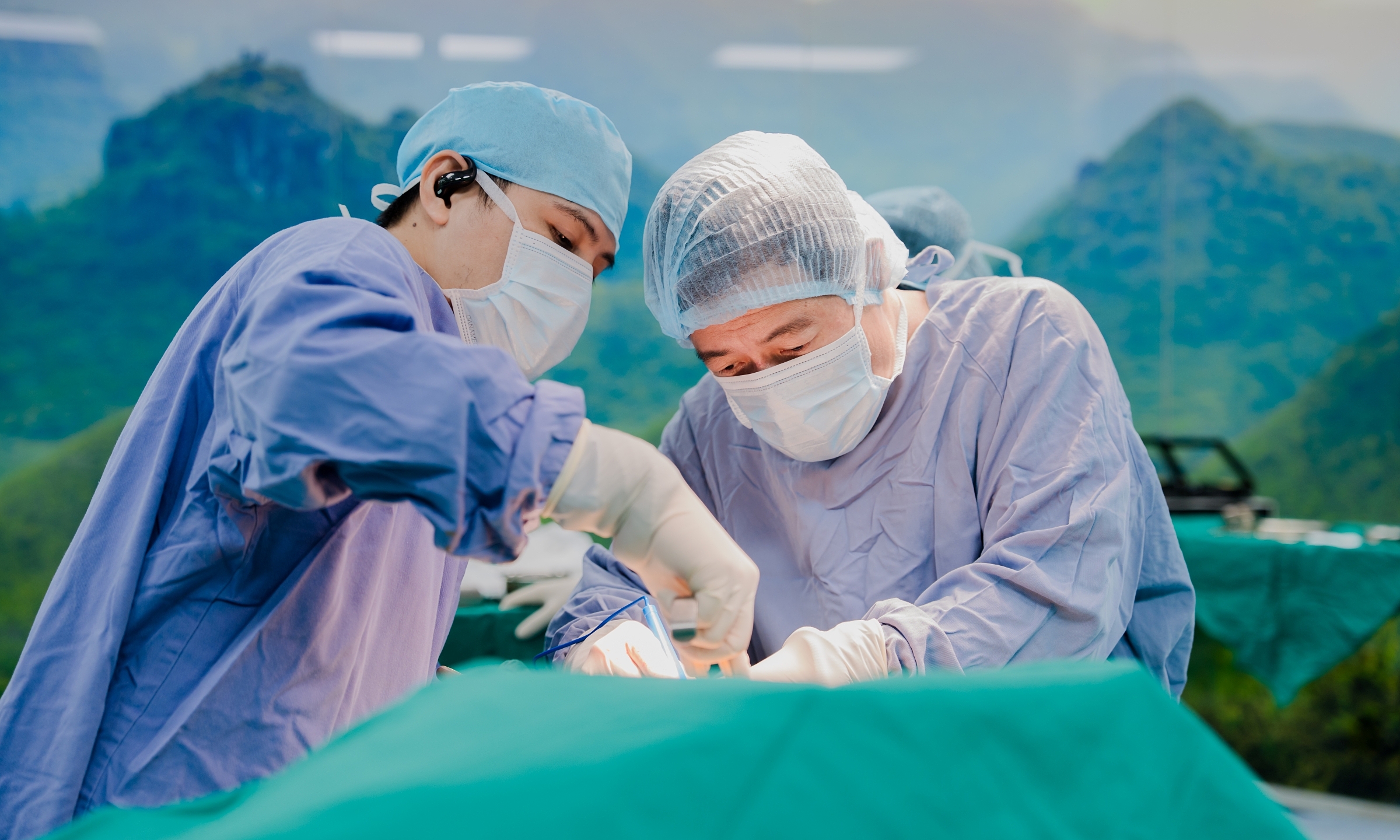
Doctor Phu performs a gastroscopy for a patient. Illustration: Tam Anh General Hospital |
Abnormal changes in surface structure, blood vessels, or lesion boundaries may indicate pre-cancerous lesions or early-stage cancer. However, endoscopic images only help doctors assess and determine the level of suspicion. If necessary, patients require a biopsy for histopathological examination to confirm the diagnosis.
Early-stage cancer detection allows patients to receive treatment through minimally invasive endoscopic methods such as endoscopic mucosal resection (EMR) or endoscopic submucosal dissection (ESD). These procedures remove localized lesions without requiring open surgery or partial gastrectomy/esophagectomy.
If you experience persistent reflux, prolonged epigastric pain, or belong to a high-risk group for gastrointestinal cancer, you should not delay endoscopy simply due to discomfort. You should consult a doctor for appropriate examination, treatment, and to prevent disease progression and complications.
Doctor Ho Quang Phu, Specialist Level One
Department of Gastrointestinal Endoscopy
Tam Anh General Clinic, District 7
| Readers can submit questions about digestive diseases here for doctors to answer. |