This information was shared by the doctor at the "Cancer Prevention: A Comprehensive Breakthrough Needed" workshop, held recently in TP HCM. According to the workshop, for many cancer patients, the challenge extends beyond fighting the tumor to include physical decline throughout the treatment process.
Doctor Luu Ngan Tam, President of the Vietnamese Society of Parenteral and Enteral Nutrition and President of the TP HCM Clinical Nutrition Association, stated that before starting treatment, approximately 40-85% of cancer patients in Vietnam experience malnutrition or cachexia. According to the doctor, this is not merely a nutritional issue but a significant prognostic factor in cancer treatment.
For example, a male patient in his 50s, diagnosed with liver-biliary-pancreatic cancer, was admitted with severe malnutrition after a period of consuming only brown rice, sesame salt, and various leaves based on the traditional belief of "starving the tumor". Upon admission, his debilitated condition rendered him unfit for surgery. Following medical consultation and appropriate nutritional intervention, the patient's physical state improved, allowing him to undergo surgery.
Doctor Luu Ngan Tam explained that even in early stages, tumors can increase energy expenditure and promote muscle mass loss. Meanwhile, adverse treatment effects like anorexia, nausea, or mucositis can further impair eating ability, elevating the risk of malnutrition. If prolonged, this condition can lead to weight loss, physical decline, and a reduced quality of life.
Relying solely on BMI can overlook up to 50% of malnutrition cases. Therefore, nutritional assessment should not be limited to weight or BMI. Patients require early risk screening, comprehensive nutritional status evaluation, and appropriate intervention to mitigate malnutrition risks during treatment.
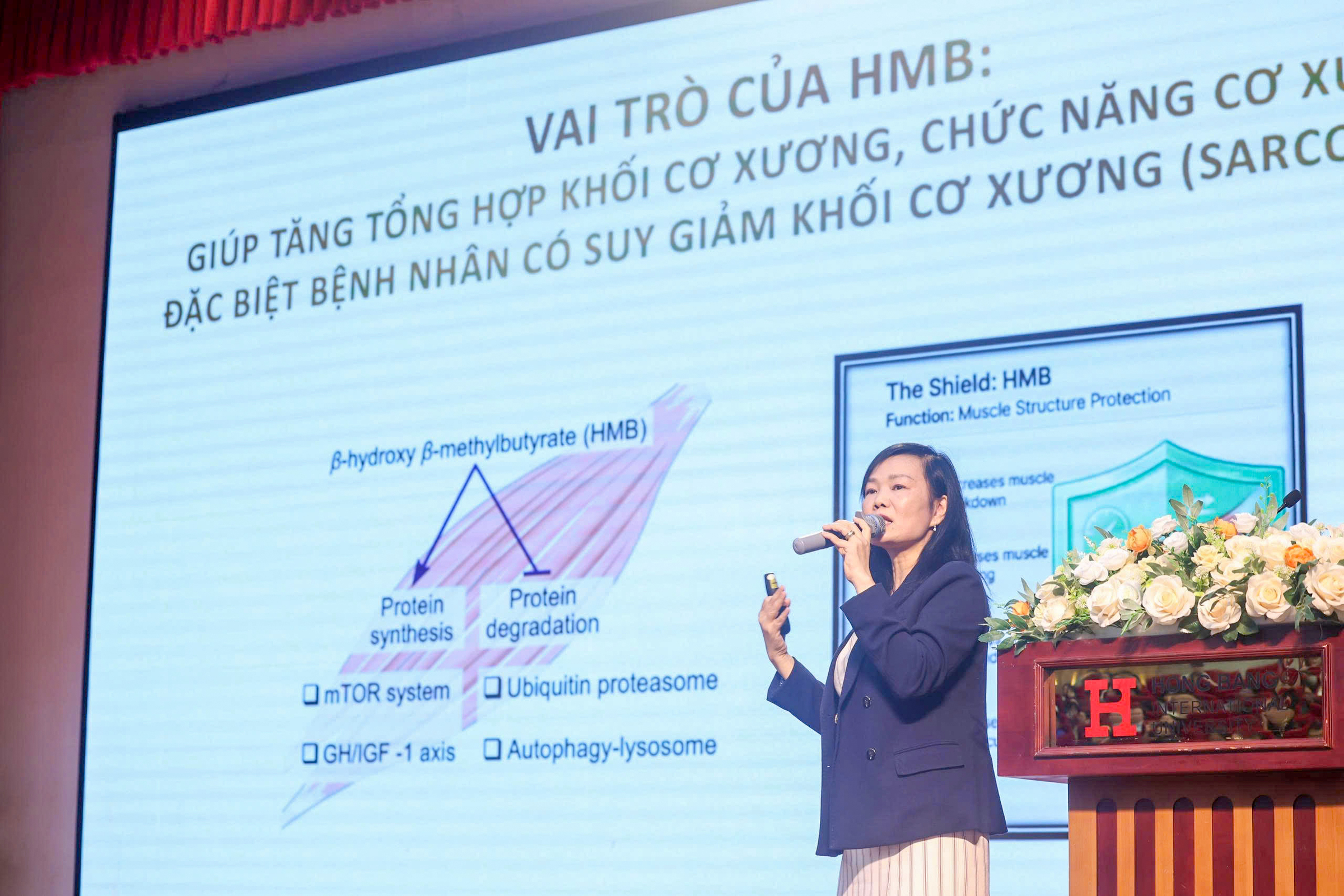 |
Doctor Luu Ngan Tam speaking at the "Cancer Prevention: A Comprehensive Breakthrough Needed" workshop. Photo: BTC |
According to the expert, three key signs patients should note are weight loss, reduced food intake, and decreased muscle strength. These indicators signal that patients may be at risk of malnutrition or muscle loss during treatment.
Many studies show that cachexia and muscle mass loss are linked to increased treatment toxicity, more complications, prolonged recovery times, and a reduced quality of life. In some instances, patients may need dose reductions or treatment interruptions due to their physical condition being unable to withstand therapies.
Therefore, the goal of nutritional intervention is not just to ensure adequate food intake but also to maintain muscle mass and physical well-being throughout the treatment journey. According to experts, patients must receive sufficient energy, protein, and essential micronutrients. In some cases, healthcare professionals may consider supplementing specialized nutrients to support muscle health.
Beyond nutrition, appropriate exercise also helps maintain muscle health in cancer patients. Doctor Luu Ngan Tam advises that patients should maintain an exercise level suitable for their current physical condition.
According to experts, modern cancer treatment focuses not only on disease control but also on helping patients maintain their physical condition, mobility, and quality of life throughout their treatment journey. In this context, Abbott collaborates with healthcare professionals, treatment facilities, and partners in activities that update scientific knowledge, share practical experience, and raise awareness about the role of clinical nutrition in cancer patient care.
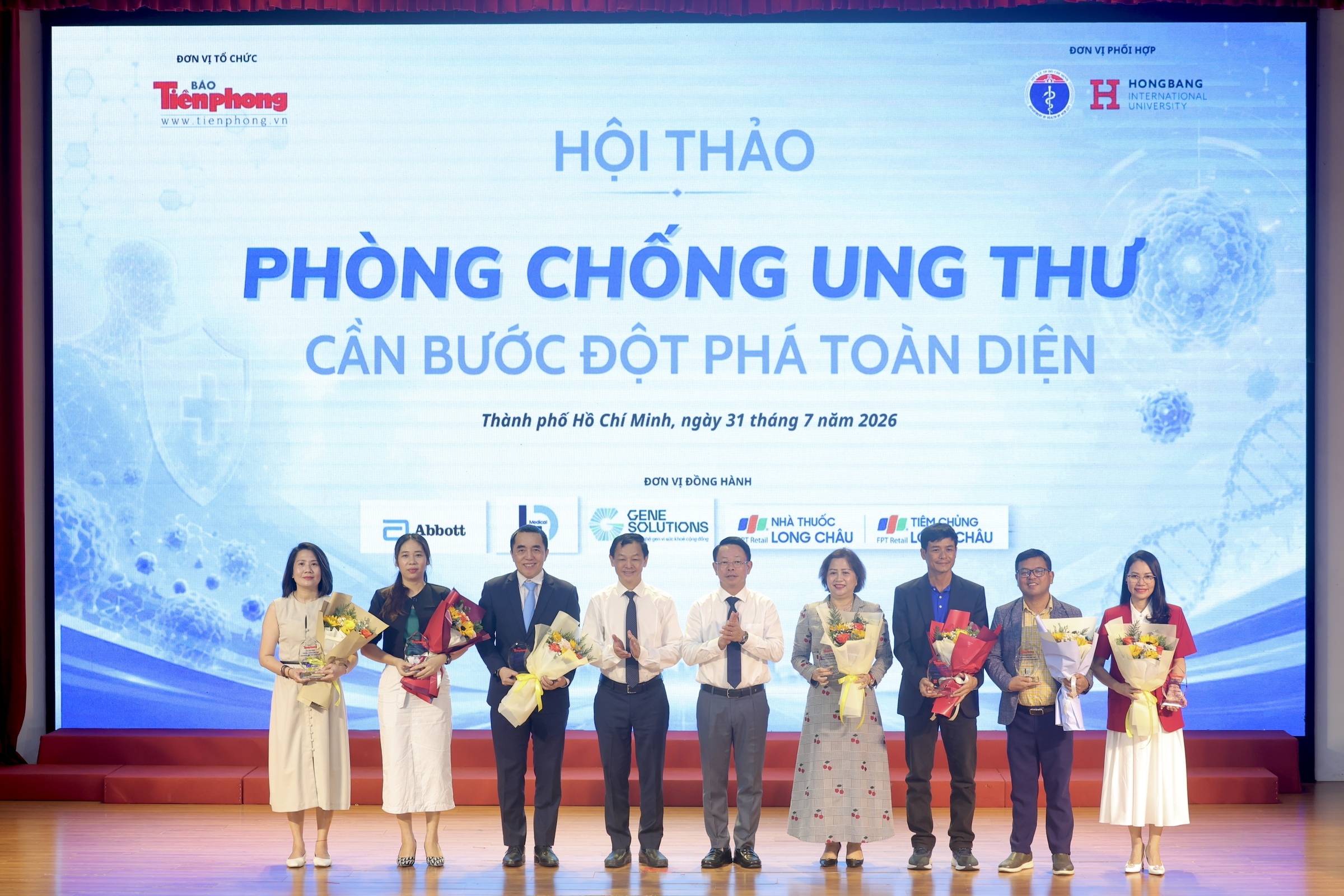 |
Douglas Kuo, Vice President and General Manager of Abbott Vietnam, Australia, and New Zealand (third from left) – representing Abbott, receiving flowers from the Deputy Minister of Health and the Editor-in-Chief of Tien Phong newspaper, acknowledging Abbott's partnership at the workshop. Photo: BTC |
With decades of experience in medical nutrition, Abbott develops specialized nutritional solutions for various dietary needs. Among these, ProSure is a specialized nutritional product for cancer patients, providing energy, protein, and nutrients tailored to their needs during treatment. This product is part of Abbott's medical nutrition solutions portfolio, aiming to support nutritional care as recommended by healthcare professionals.
Additionally, Ensure Gold, formulated with HMB combined with high-quality protein, supports muscle health. It also contains YBG (yeast beta-glucan) and other nutrients to boost the immune system. This combination helps maintain overall physical well-being and meets users' nutritional requirements.
Beyond nutritional solutions, Abbott also collaborates with the medical community to promote knowledge sharing and evidence-based practices, raising awareness about the importance of comprehensive care in cancer treatment. These efforts reflect Abbott's long-term commitment to helping more people live healthier lives and supporting patients on their healthcare journeys, contributing to the goal of improving public health and building a healthier Vietnam.
Kim Anh