Ms. Le Thi Le, 28, presented to Hong Ngoc General Hospital at 13 weeks pregnant. She reported consistent blood pressure readings of 160-180 mmHg, occasionally spiking to 210/120 mmHg, along with fatigue and weakness.
Her hypertension had begun four years earlier, with no identified cause. During her current pregnancy, blood pressure readings continued to increase and became even more challenging to manage. The presence of hypertension before the 20th week of gestation prompted doctors to investigate a chronic condition or a secondary cause, rather than solely attributing it to pregnancy-induced blood pressure issues.
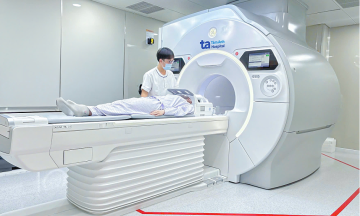
Laboratory tests revealed persistent hypokalemia, which failed to improve despite aggressive potassium supplementation. Renin levels were exceptionally high at 3,618 µIU/mL, approximately 90 times the upper limit, alongside elevated aldosterone. These indicators prompted doctors to order an abdominal MRI, which identified a renin-secreting juxtaglomerular cell tumor at the lower pole of her right kidney.
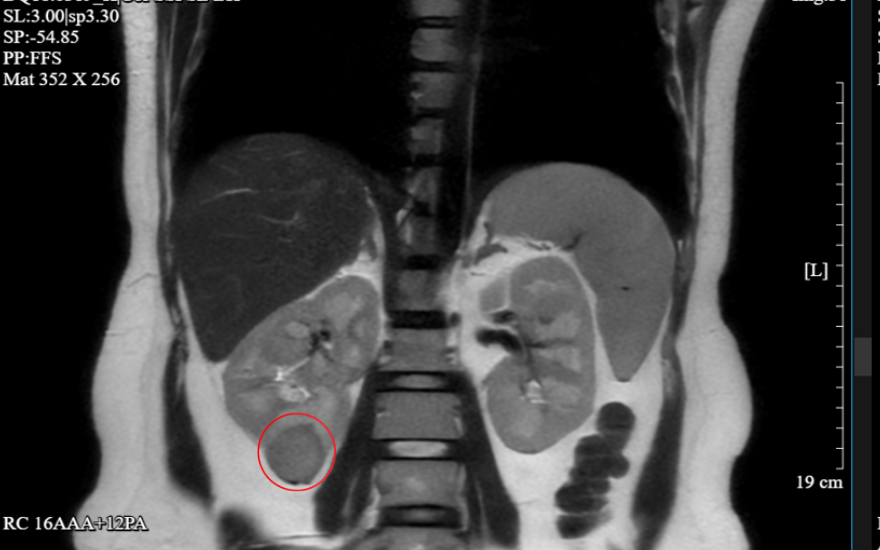 |
The tumor at the lower pole of the right kidney, measuring 48 x 34 x 33 mm. Photo: Hong Ngoc General Hospital |
According to Master of Science, Resident Doctor Nguyen Thi Nhu Quynh from the Department of Endocrinology, a renin-secreting juxtaglomerular cell tumor, or reninoma, is an exceptionally rare endocrine tumor. This type of tumor causes overactivity of the renin-angiotensin-aldosterone system, resulting in hypertension, elevated aldosterone, and hypokalemia.
This diagnosis explained the patient's persistent high blood pressure and its poor response to previous treatments. During pregnancy, certain medications that target the renin-angiotensin system are contraindicated, further complicating blood pressure management. Prolonged uncontrolled hypertension in pregnancy significantly elevates the risks of preeclampsia, placental abruption, premature birth, and impaired placental circulation.
A multidisciplinary team of endocrinologists, urological surgeons, obstetricians, and anesthesiologists convened to discuss the case. They collectively decided to remove the tumor before the 20th week of gestation. The primary objective was to eliminate the source of hypertension while safeguarding the health of both the mother and the fetus.
Prior to surgery, the patient underwent close monitoring of her blood pressure and electrolyte levels. Doctors administered potassium supplements, adjusted her antihypertensive medications, and stabilized her vital signs. This meticulous preparation aimed to mitigate the risk of cardiac arrhythmias during anesthesia.
The anesthesia team devised a comprehensive strategy for blood pressure management throughout the surgical procedure. Maintaining the mother's blood pressure within a stable range was crucial to ensure adequate uterine-placental perfusion, preventing both excessive spikes and sudden drops.
Following the surgery, doctors employed epidural anesthesia in conjunction with a controlled-dose pain management system. This approach minimized the need for systemic analgesics, facilitating deep breathing, early mobilization, and a quicker recovery for the patient.
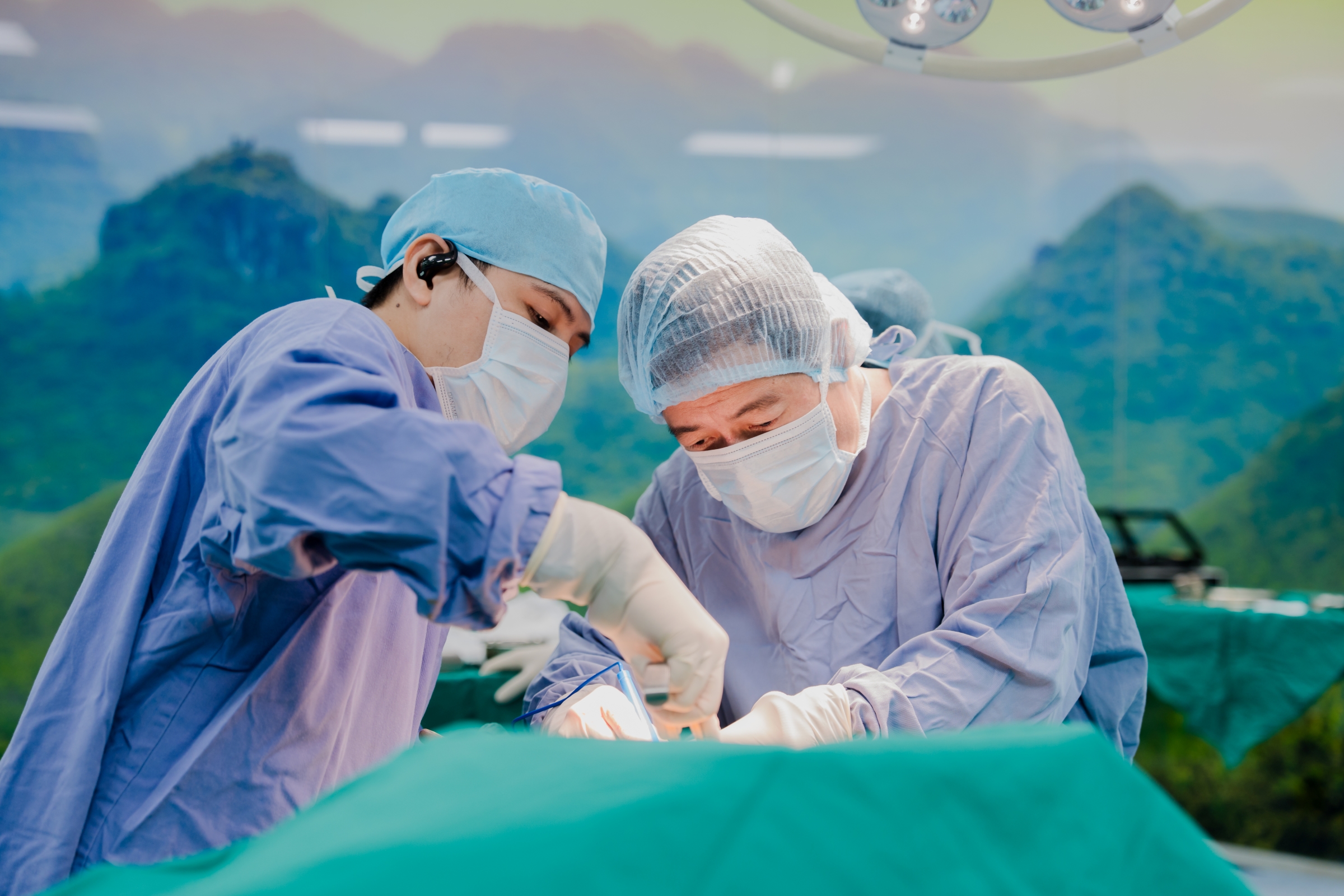 |
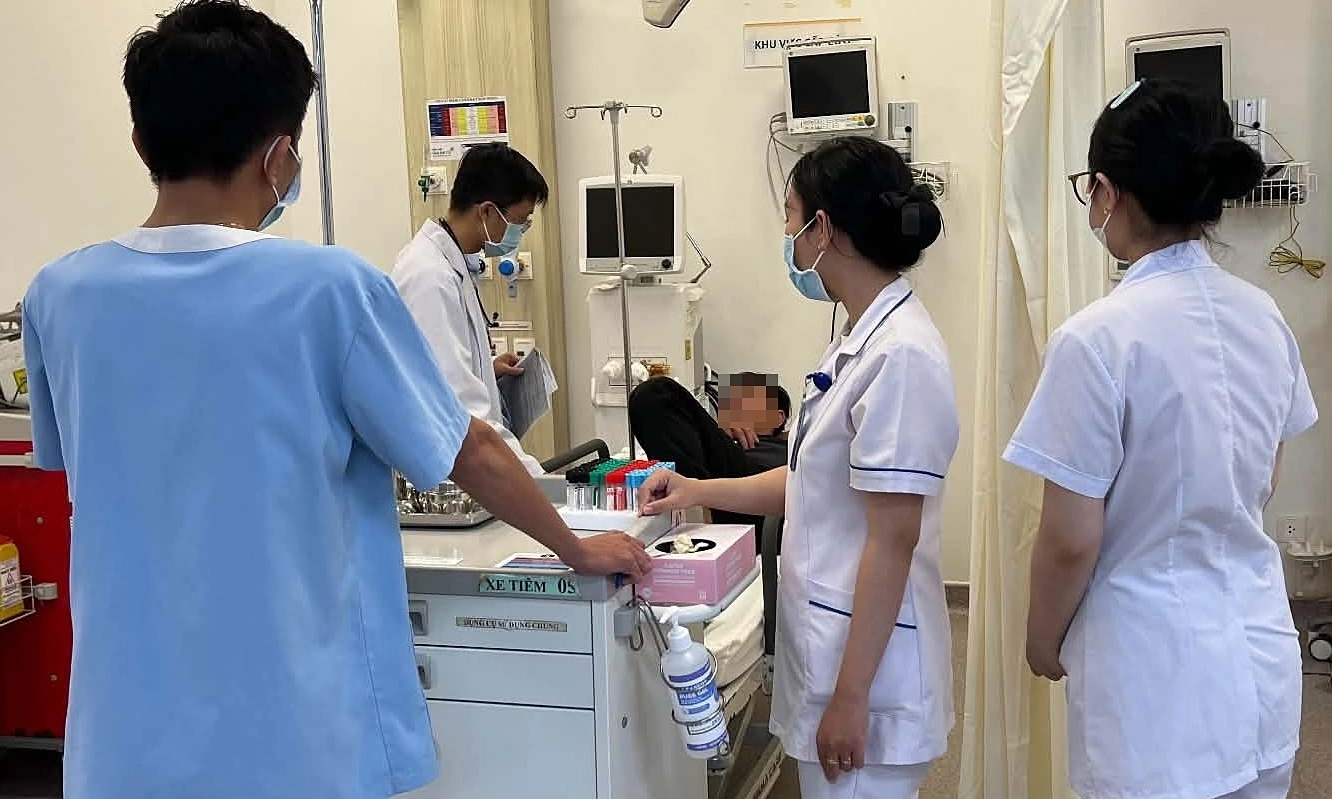
The surgical team coordinated with specialists to monitor the pregnant woman during surgery. Photo: Hong Ngoc General Hospital |
Master of Science, Specialist Doctor II Trinh Minh Thanh, Head of the Urology Surgery Unit, explained that the surgical team chose an open approach. Given the tumor's size and the necessity to minimize anesthesia time for the pregnant patient, open surgery offered a broad surgical field. This allowed surgeons to visualize, rapidly dissect the tumor, and maximize the preservation of healthy kidney tissue.
The tumor was successfully removed within the anticipated timeframe. Healthy kidney tissue was preserved, and the fetal heart rate remained stable throughout and after the procedure.
Post-surgery, Ms. Le was alert, and her incision was dry. Her renin and potassium levels normalized, and blood pressure was effectively controlled without the need for continued antihypertensive medication.
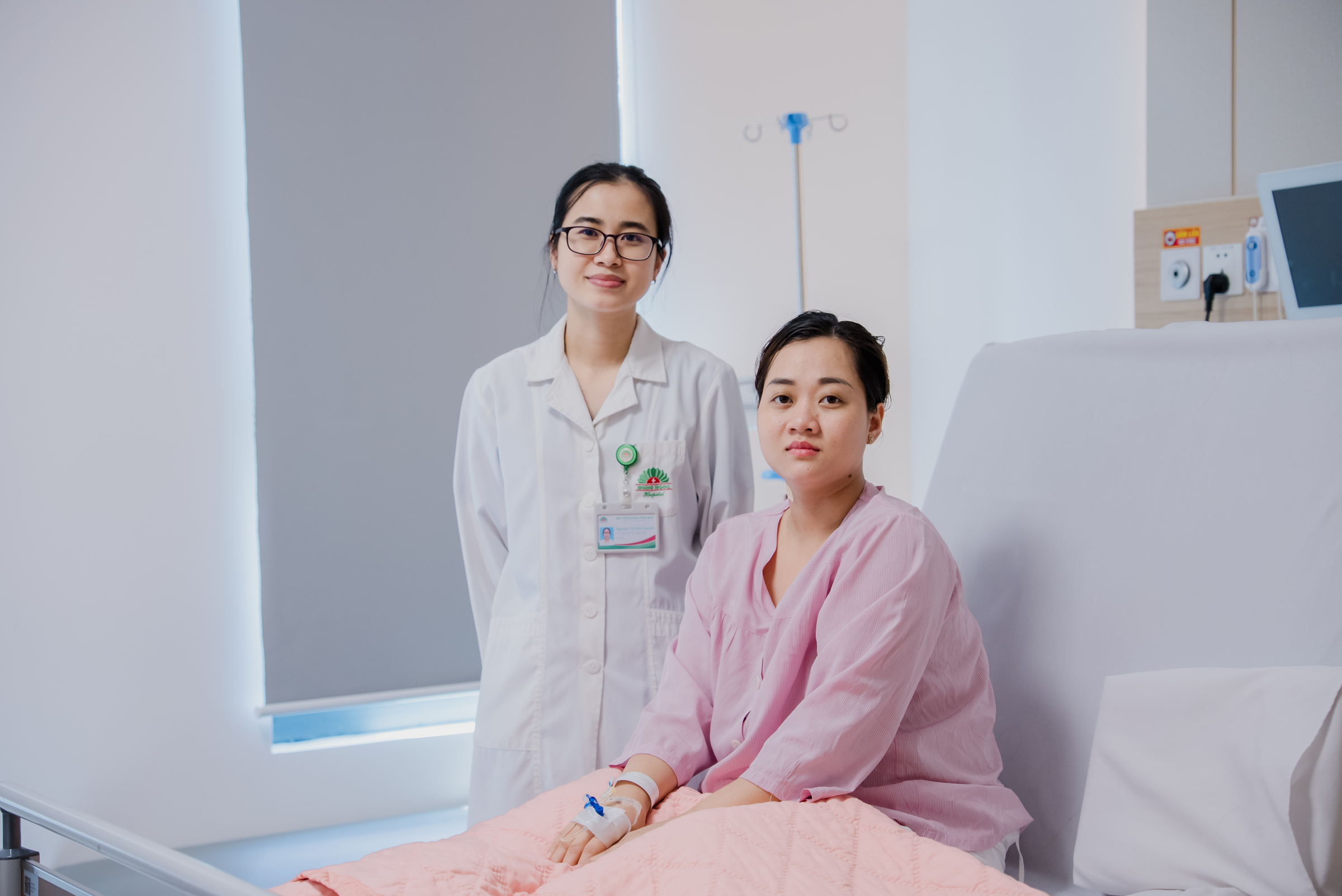 |
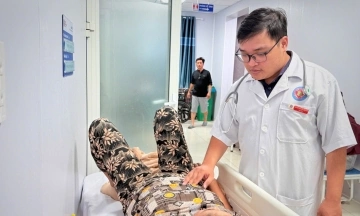
Doctor Nguyen Thi Nhu Quynh examines the pregnant woman after surgery. Photo: Hong Ngoc General Hospital |
Ms. Le reported that she had undergone treatment for hypertension for years without identifying the underlying cause. Following the tumor removal, she no longer required potassium supplementation or antihypertensive medication, and her pregnancy continued under close medical supervision.
Doctor Quynh emphasized that young patients presenting with difficult-to-control hypertension and hypokalemia require thorough evaluation for secondary causes. For pregnant women experiencing hypertension either pre-existing or during the first half of gestation, early medical assessment is vital. This allows doctors to distinguish between pre-existing conditions and gestational hypertension, guiding appropriate treatment strategies. She highlighted that this particular case underscored the critical need for interdisciplinary collaboration among endocrinologists, urological surgeons, obstetricians, and anesthesiologists to prioritize the safety of both mother and fetus.
Van Ha