Depression is a mental disorder affecting emotions, cognition, and physical sensations. Master, Doctor Nguyen An Khai from the Department of Psychiatry, Neuroscience Center, Tam Anh General Hospital Ho Chi Minh City, states that the brain not only controls emotions but also processes and regulates pain through a complex neural network. Prolonged depression can disrupt activity in emotion-related brain regions such as the prefrontal cortex, amygdala, and hippocampus, leading to an imbalance of neurotransmitters like serotonin, dopamine, and norepinephrine.
These substances help the brain regulate mood, sleep, energy levels, and the body's pain threshold. When levels of these substances decrease, the nervous system becomes more sensitive to pain stimuli, and the brain's natural pain inhibition ability also diminishes. Consequently, patients may perceive pain more intensely, experience widespread pain in multiple locations, and endure persistent discomfort even without visible injury or structural or physiological changes.
These changes in brain and nervous system activity, along with neurotransmitter imbalances, can also heighten pain sensations in existing musculoskeletal conditions such as back pain, spinal degeneration, arthritis, or chronic pain syndrome. As a result, symptoms become more severe and challenging to manage.
Common symptoms include dull headaches, neck and shoulder pain, muscle aches, back pain, a feeling of chest heaviness, general fatigue, numbness or tingling in limbs, and prolonged digestive issues.
Beyond physical pain, depressed individuals often exhibit prolonged sadness, irritability, reduced concentration, insomnia, restless sleep, and a loss of interest in work or previously enjoyed activities.
According to Doctor Khai, if left untreated, prolonged depression can diminish quality of life, reduce academic and work performance, and increase the risk of abusing pain relievers, sleeping pills, or alcohol to cope with symptoms.
Current depression treatment requires a combination of methods, including medication, psychotherapy, lifestyle changes, and sleep support. For individuals with prolonged depression, poor response to medication, or concerns about side effects, doctors may consider repetitive transcranial magnetic stimulation (rTMS). This non-invasive method uses magnetic fields to target brain regions involved in emotion regulation, helping to improve symptoms of depression, anxiety, and insomnia, according to Doctor Khai.
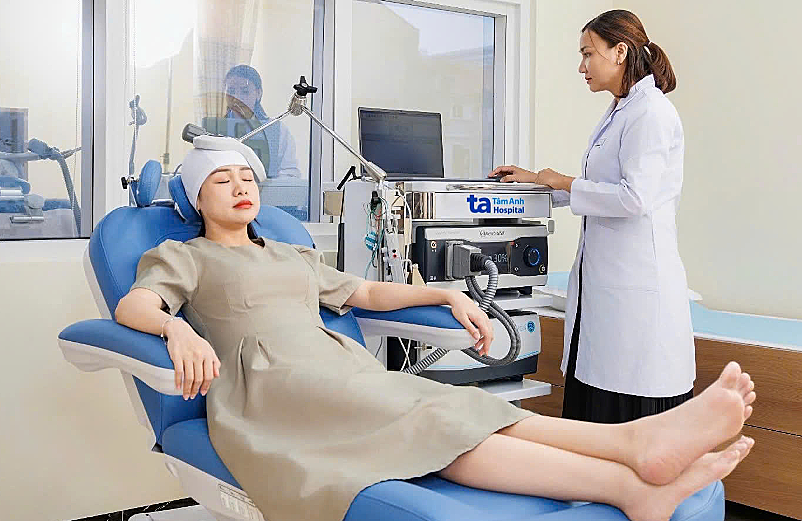 |
Patients receiving repetitive transcranial magnetic stimulation to help improve depression. Photo: Tam Anh General Hospital |
Patients receiving repetitive transcranial magnetic stimulation to help improve depression. Photo: Tam Anh General Hospital
Doctor An Khai advises individuals experiencing persistent body aches accompanied by insomnia, fatigue, sadness, or reduced motivation to seek a mental health and neurological specialist for evaluation. This allows doctors to provide appropriate treatment, preventing the condition from prolonging and negatively impacting both the physical and mental health of patients.
Trong Nghia
| Readers can send questions about neurological diseases here for doctors to answer. |