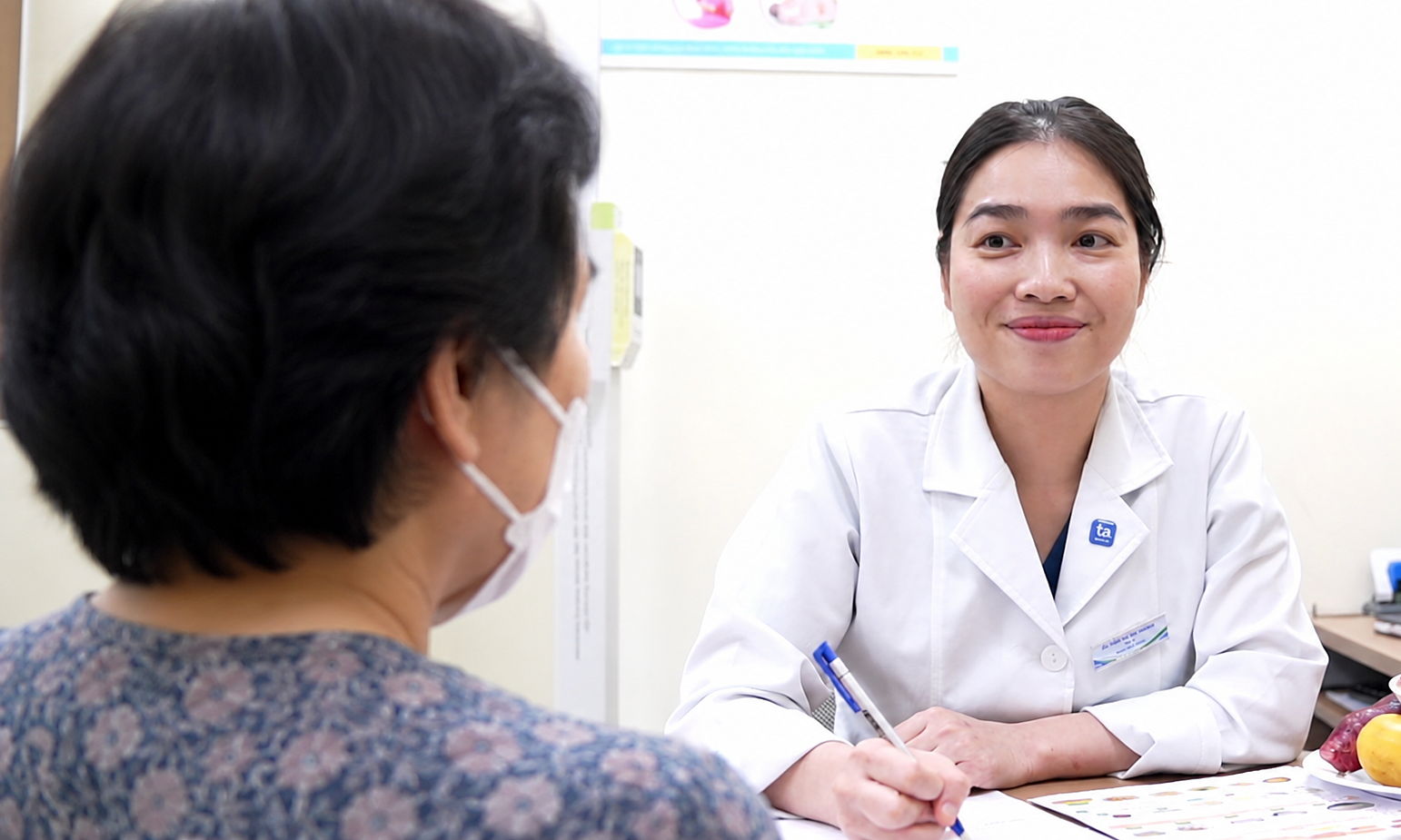
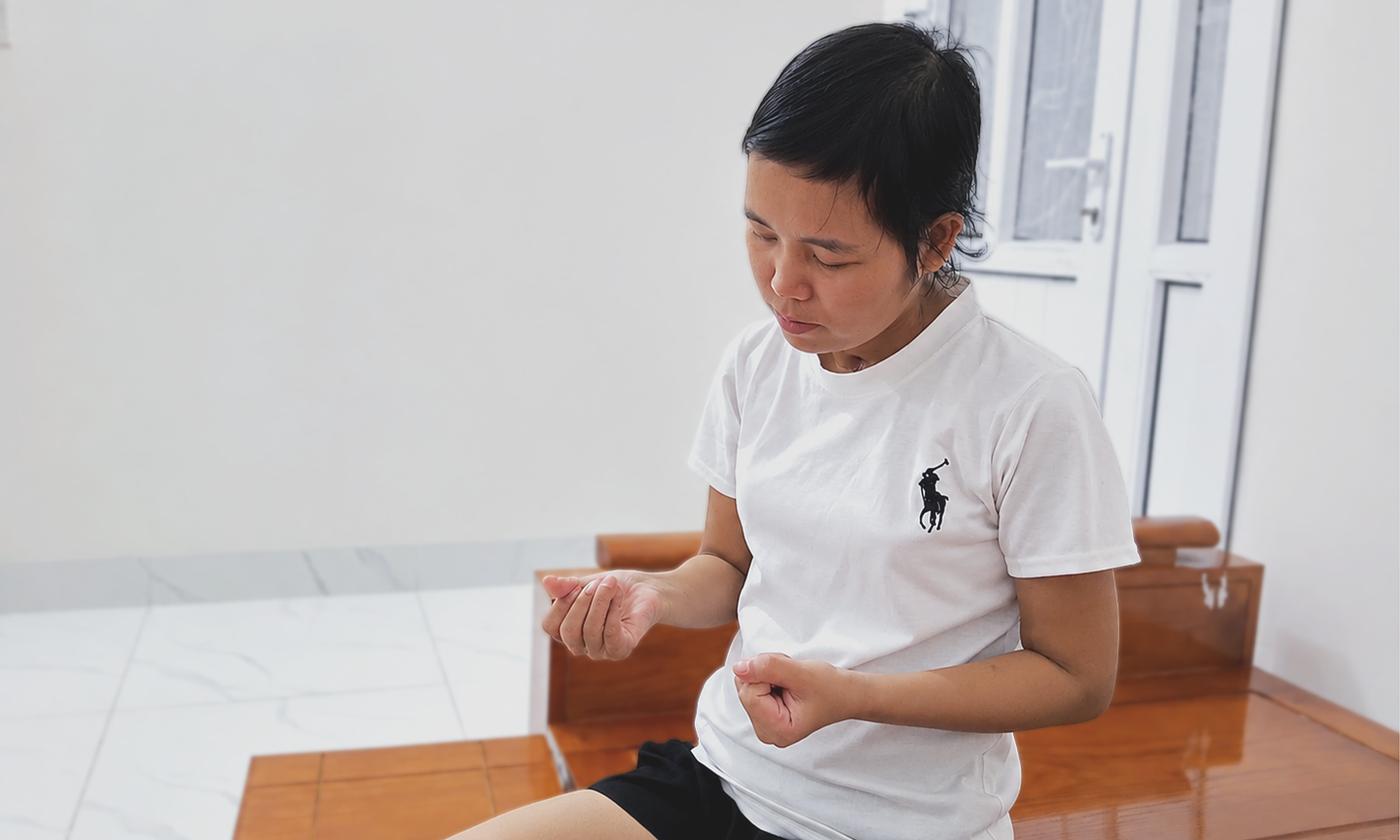
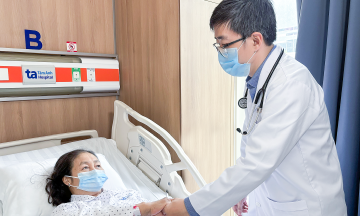
Endometriosis occurs when tissue resembling the uterine lining and stromal tissue grows outside the endometrium, such as in the uterine muscle, ovaries, fallopian tubes, and pelvic region. This tissue can cause inflammation, chronic pelvic pain, abnormal uterine bleeding, and space-occupying masses in the abdominopelvic region, leading to issues like anemia and infertility. Doctor Nguyen Ba My Nhi, Director of the Obstetrics and Gynecology Center at Tam Anh General Hospital TP HCM, identified this as the cause of Hanh's heavy menstrual bleeding and severe anemia.
Ultrasound results revealed the patient's uterus had an anterior-posterior diameter of 12 cm, comparable to an 18-week pregnancy, and contained multiple small cysts within the uterine muscle. Hanh also presented with deep pelvic endometriosis on the posterior surface of her uterus, adhering to the rectum. Endometriotic tissue was found in both round ligaments, indicating that the abnormal cells had spread beyond the uterine muscle into the suspensory ligaments holding the uterus. The extensive lesions were complicated by infection and an abscess.
Hanh's history of diabetes heightened the risk of bacteria from the abscess entering her bloodstream, potentially causing sepsis and septic shock. Doctor Nhi emphasized that without timely intervention, prolonged anemia could result in exhaustion, cardiorespiratory failure, and even be life-threatening.
Prior to the operation, Hanh received 350 ml of blood and had her blood sugar levels stabilized. The surgical team performed a total hysterectomy and removed both fallopian tubes, as Hanh did not wish to have more children. Both ovaries were preserved to maintain estrogen levels, protecting her bone and cardiovascular systems. Post-surgery, Hanh's health stabilized, and she was discharged after four days.
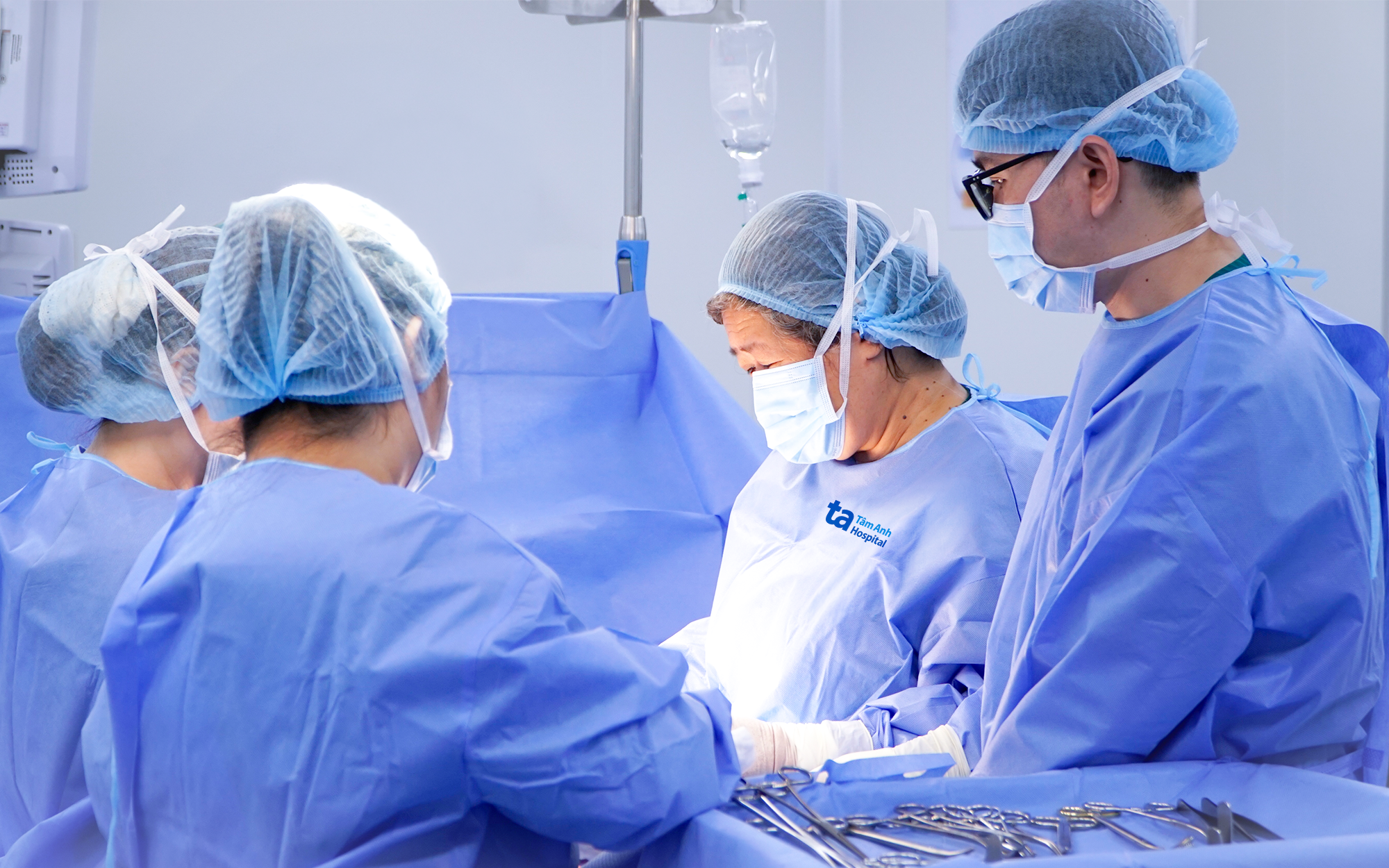 |
Doctor My Nhi (second from right) and the surgical team operating on the patient. Photo: Tam Anh General Hospital |
Doctor My Nhi (second from right) and the surgical team operating on the patient. Photo: Tam Anh General Hospital
Endometriosis commonly affects women aged 30-50. The condition often progresses silently with no symptoms, or it can manifest as severe menstrual pain, chronic pelvic pain, painful intercourse, and menstrual irregularities.
Growing endometriotic masses raise the risk of cyst formation and chronic pelvic inflammation. This can impact the function of nearby organs, such as the intestines and bladder, and make conception difficult. Endometriosis also increases the risk of ovarian cancer, breast cancer, and endometrial adenocarcinoma.
Doctor Nhi explained that endometriosis cannot be fully cured, and treatments primarily focus on symptom management and supporting a woman's reproductive goals. Depending on the individual case, doctors may recommend medical treatment with medication, hormone therapy, or laparoscopic surgery to remove growing masses. A total hysterectomy is considered a last resort for severe cases, especially when the patient does not plan to have more children.
To detect endometriosis, Doctor Nhi advises women experiencing severe menstrual pain, menstrual irregularities, or infertility to seek gynecological examinations. She also recommends women limit sweets and fast food, increase their intake of green vegetables and fruits, exercise regularly, control estrogen levels, practice proper intimate hygiene, and undergo regular gynecological check-ups. Any unusual signs should prompt immediate medical consultation for timely diagnosis and treatment.
Ngoc Chau
*The patient's name has been changed
| Readers can submit questions about obstetrics and gynecology here for doctors to answer. |