The UV index, a measure of ultraviolet radiation intensity from the sun, reflects the potential for skin damage. A higher index indicates a greater risk of skin burns, sunburns, aging, and skin cancer. Pharmacist Do Xuan Hoa, from the Medical Information Center at Tam Anh General Hospital Ho Chi Minh City, states that at very high UV levels, skin can be damaged in just 10-15 minutes of direct sun exposure without protection.
UV radiation includes three types: UVA, UVB, and UVC. UVA and UVB can penetrate the atmosphere and directly affect the skin. With long wavelengths of 320-400 nm, UVA rays can deeply penetrate the dermis, causing melasma, dryness, wrinkles, and skin aging. UVB rays, with shorter wavelengths of 290-320 nm, primarily affect the epidermis and are a direct cause of sunburn and skin cancer.
 |
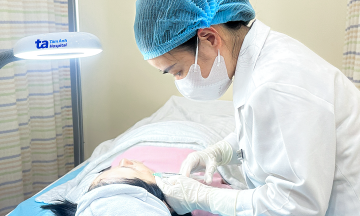
Cover up thoroughly when outdoors and use sunscreen to protect skin during hot weather. Photo by Thai Thanh
Upon UV exposure, the body stimulates melanocyte cells to produce more melanin, protecting the skin from damage. However, excessive melanin production and accumulation can darken the skin, leading to melasma, freckles, and age spots. In response to UV attack, the skin releases inflammatory substances and reactive oxygen species (ROS) to heal damage. This inflammation manifests as the heat and redness of sunburn.
Visible damage like hyperpigmentation, skin burns, and sunburns are initial, externally observable skin injuries. Meanwhile, gene damage (destabilization of skin cell DNA, leading to mutations) often occurs silently, accumulating over time, and only becomes evident in later stages. According to the American Skin Cancer Foundation (SCF), individuals who have experienced 5 sunburns in their lifetime can double their risk of developing skin cancer.
Beyond UV intensity, the duration of sun exposure and individual skin condition also determine the extent of damage. Pharmacist Hoa explains this difference relates to how the body produces melanin. If the body generates more light-colored melanin, the skin is less prone to darkening. If dark-colored melanin dominates, the skin darkens more easily. When these dark pigments concentrate in one area, melasma or freckles may form.
Younger skin typically has a stronger structure and higher levels of endogenous antioxidants like glutathione, which helps limit the formation of dark-colored melanin. As people age, the amount of these substances gradually decreases, making the skin more susceptible to hyperpigmentation and more sensitive to sun exposure.
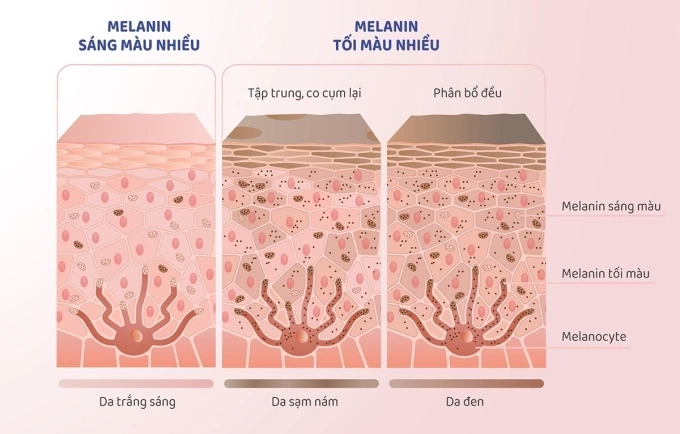 |
Illustration of the distribution of light-colored and dark-colored melanin. Graphic: Eco Pharmaceutical Joint Stock Company
Pharmacist Hoa recommends limiting outdoor activity between 10 a.m. and 4 p.m., when UV intensity is highest. If going outside, apply sunscreen with an SPF of 30 or higher at least 15-30 minutes beforehand, and reapply every 2-3 hours. Proper physical protection, such as wearing hats, using umbrellas, masks, gloves, socks, and closed-toe shoes, is essential to block UV rays. Drinking 2-3 liters of water daily and maintaining a diet rich in vitamins C and E and minerals from fruits and green vegetables can help skin recover better after sun exposure.
For sunburned skin, apply cool, damp cloths to the affected area and use gentle, moisturizing, cooling products. If the burn does not improve after a few days of care, consult a dermatologist for examination.
Supplementing with nutrients like Sakura, L-Glutathione, Pomegranate, Collagen, and P. Leucotomos can help strengthen skin and provide internal sun protection. These essences support slowing down the aging process, aiding skin regeneration, and limiting the risk of skin damage.
Thai Thanh
| Readers can submit questions about dermatology and cosmetic skin conditions here for doctors to answer. |