Bitter melon (also known as bitter gourd or balsam pear), commonly used in Vietnamese cuisine and traditional medicine, is known for its cooling properties and ability to help detoxify the liver. However, while it can support liver health, it does not prevent liver cancer. Moderation is key, as excessive consumption can lead to adverse effects.
In Eastern medicine, bitter melon is considered bitter and cool, with benefits including heat relief, phlegm reduction, blood cooling, kidney support, toxin elimination, and fatigue prevention. Scientific evidence shows bitter melon contains vitamins and minerals such as vitamin C, saponins, terpenoids, triterpenoids, polyphenols, and flavonoids. These compounds are effective in treating diabetes, inhibiting cancer cells, reducing cholesterol, and supporting liver cooling and detoxification.
Despite these benefits, consuming too much bitter melon can drastically lower blood sugar, and for pregnant women, potentially cause miscarriage or uterine bleeding. Therefore, it is recommended to eat bitter melon only two to three times per week, avoiding overly frequent consumption. If symptoms such as dizziness, nausea, or fainting occur, adjust consumption. To maintain liver health, it is essential to consume a diverse diet, drink sufficient water, avoid greasy foods, alcohol, and tobacco, and increase physical activity.
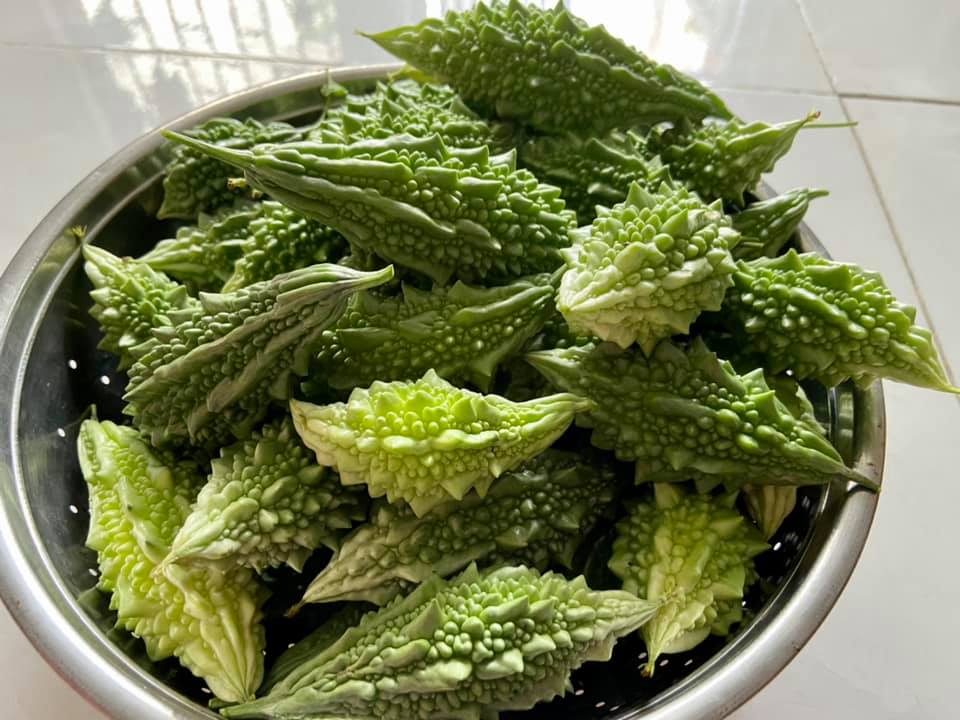 |
Eating bitter melon correctly can help cool the liver, but it does not prevent liver cancer. Photo: Dieu Thuan
Liver cancer has various causes, including genetics, alcohol consumption, exposure to toxins, and fatty liver disease. Over 80% of liver cancer cases are attributed to hepatitis B virus infection. This virus easily spreads through blood, from mother to child, and sexual contact. Vietnam currently has a high prevalence of hepatitis B virus globally, with approximately 7.6 million infected individuals, but only about 1.6 million have been diagnosed.
Regular health check-ups, periodic liver cancer screening, and early quantitative hepatitis B antibody testing are recommended. For those infected with hepatitis B, adherence to a doctor's treatment plan, including antiviral medication, is crucial to control the disease and prevent complications such as cirrhosis or liver cancer. If antibody levels are below protective thresholds or absent, vaccination is advised as soon as possible. Studies show that hepatitis B vaccination offers over 95% protection against the disease.
Vietnam offers various hepatitis B vaccines, including single-dose and combined vaccines that also protect against hepatitis A. For a 42-year-old, a vaccination schedule typically involves three doses over six months. Antibody levels should be tested before vaccination, and booster shots may be necessary if antibody levels decrease. Additionally, adopting a healthy lifestyle, practicing safe sex, and avoiding sharing personal items such as tweezers, toothbrushes, razors, nail clippers, and hair scissors with infected individuals are vital preventive measures.
Doctor Le Thi Minh Nguyet
Medical Manager, VNVC Vaccination System
Readers can submit questions about vaccines for a doctor's response here.