Varicose veins develop when blood pools in the leg veins instead of returning to the heart. This leads to increased hydrostatic pressure within the veins, causing them to dilate. The condition often progresses subtly, starting with symptoms like heavy legs, aches, and mild swelling. Over time, it can lead to prominent, winding veins, skin discoloration, phlebitis, and in severe cases, skin ulcers.
In early stages, patients typically receive conservative treatment. This includes wearing compression stockings, making lifestyle adjustments like avoiding prolonged standing or sitting, increasing physical activity, and elevating the legs during rest. While these methods help reduce symptoms, they do not cure the condition.
Interventional treatment may be considered when symptoms persist or worsen, including pain, heavy legs, lower limb swelling, and nocturnal leg cramps, especially if they do not respond to conservative management.
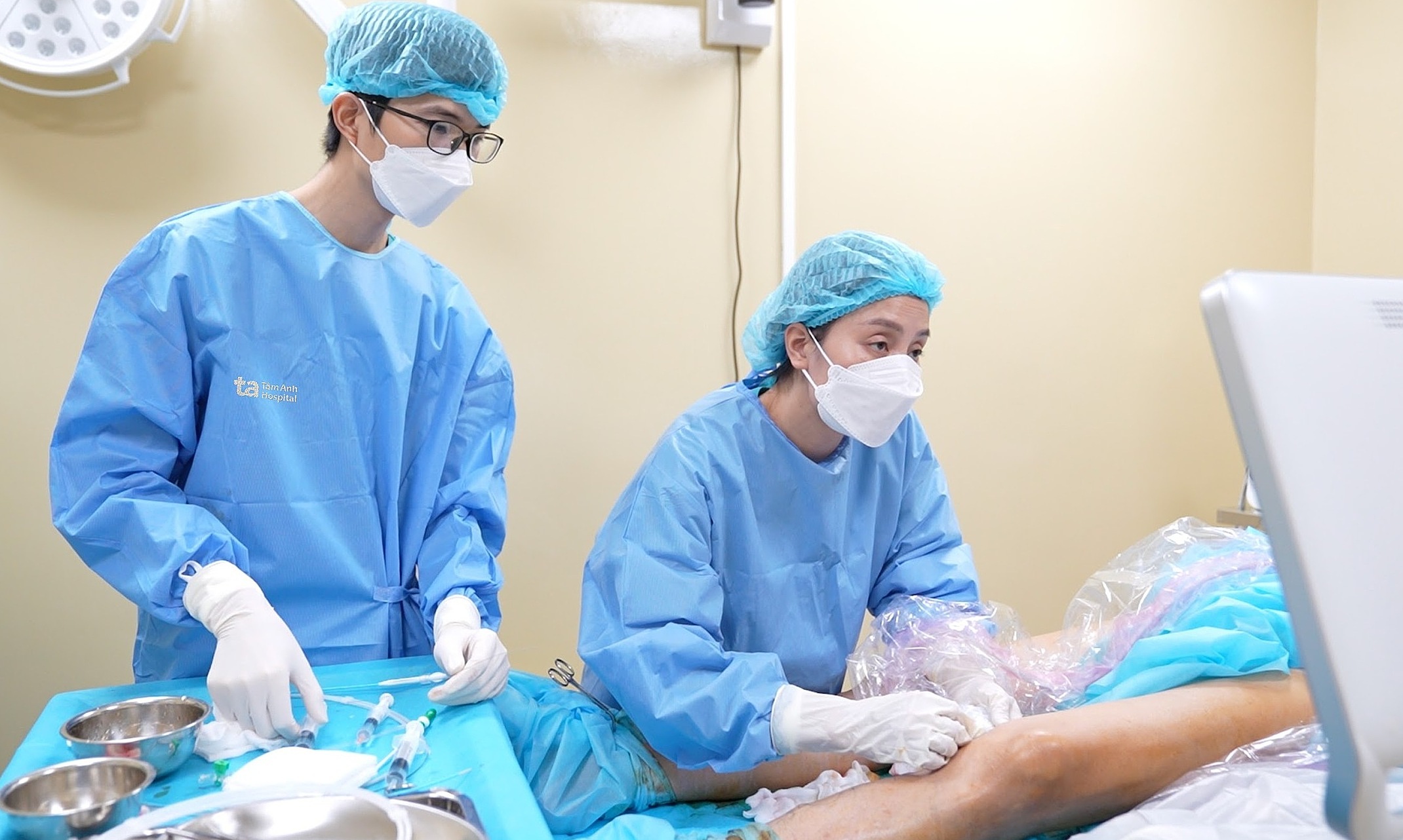 |
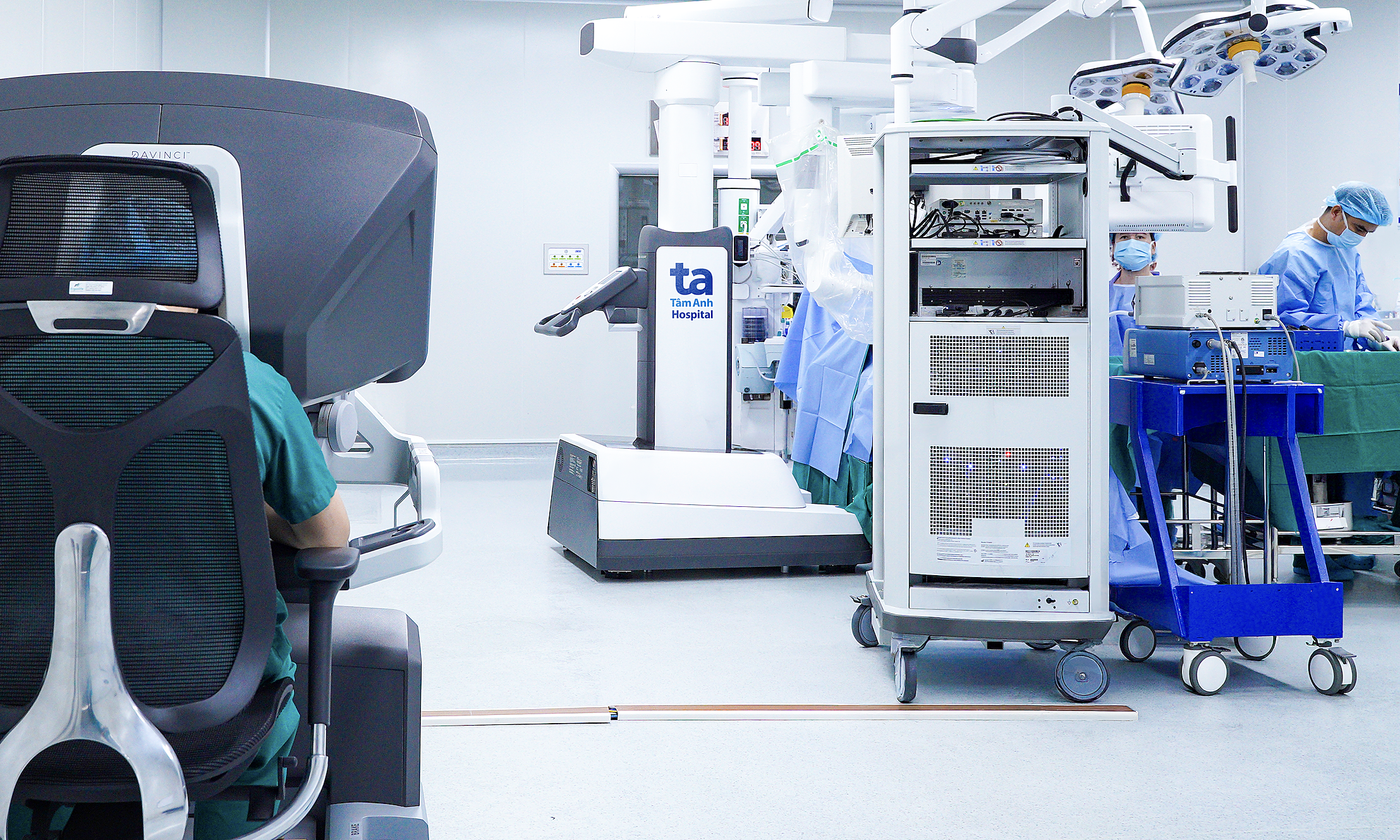
A medical team performs a varicose vein intervention. *Photo: Tam Anh General Hospital* |
Your prolonged symptoms, frequent pain, and increasingly prominent veins, despite medication and compression stockings, suggest that conservative treatment is no longer effectively managing the condition. You should consult a specialist for a Doppler ultrasound to assess the severity of your venous insufficiency. The doctor may then recommend early intervention to alleviate your symptoms.
Minimally invasive interventional techniques directly treat the affected vein segment, reducing symptoms and limiting long-term complications. These include:
endovenous laser: This procedure uses laser energy delivered directly into the vein to cause sclerosis and close the insufficient vessel.
radiofrequency ablation (RFA): Heat from radiofrequency waves is used to contract and close the vein. This method offers similar effectiveness to laser treatment with less post-procedure pain.
biologic glue injection: A medical adhesive is introduced into the vein to seal the insufficient segment. This heat-free method is minimally invasive and offers a quick recovery time.
The choice of method depends on the disease severity, vein location, and diameter, allowing the doctor to select the most suitable approach for optimal results.
Following intervention, patients typically resume walking and near-normal activities quickly. However, to minimize recurrence, it is crucial to maintain a healthy lifestyle, manage weight, engage in appropriate exercise, and attend regular follow-up appointments as advised by the doctor.
Dr. Tran Quoc Viet
Department of Cardiology
Tam Anh Cau Giay General Clinic