


For individuals whose partner has hepatitis B, preventing transmission is crucial, as the infection rate between spouses is high. The virus primarily spreads through sexual contact and blood, often via shared personal items like toothbrushes, tweezers, nail clippers, and razors. These common routes make prevention challenging within a marital relationship.
Vaccination is the most effective method to prevent hepatitis B, offering over 95% protection when a full course is completed. Before vaccination, an antibody level test is recommended. For those already infected, the vaccine is ineffective. However, if antibody levels are absent or below protective thresholds, vaccination is crucial to boost immunity and prevent infection.
You should undergo antibody level testing to assess your health status and get vaccinated as early as possible. Currently, Vietnam offers both monovalent hepatitis B vaccines and combination vaccines that also protect against hepatitis A in one shot. The standard vaccination schedule involves three doses over 6 months.
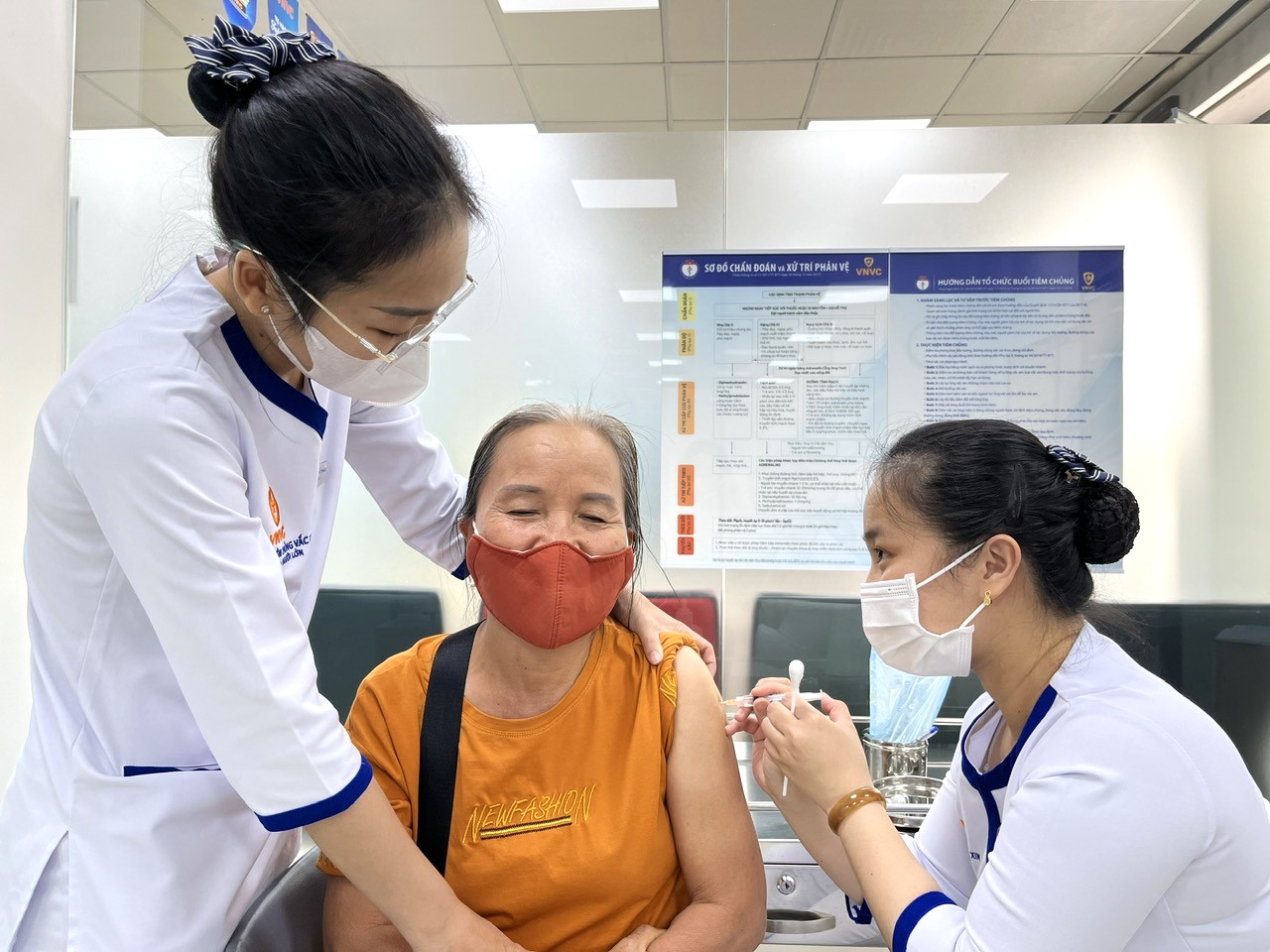 |
Older adults receive hepatitis B vaccine when a family member is infected, at VNVC Vaccination System. *Photo: Dieu Thuan* |
As you are in a high-risk group, a rapid 4-dose vaccination schedule is recommended. The first three doses are administered within one month, with a fourth booster dose one year later. Subsequently, you should have your antibody levels checked as advised by your doctor, undergo regular health check-ups, and receive booster shots if antibody levels fall below protective thresholds.
For your husband, strict adherence to his treatment regimen is essential to reduce the viral load in his blood and minimize transmission risk. Other family members are also at high risk of exposure and should undergo regular testing. If any family member becomes infected, they must follow a doctor's prescribed treatment. Those without antibodies or with insufficient protective antibodies should get vaccinated promptly to boost their immunity.
Hepatitis B is an acute infectious disease caused by the hepatitis B virus. Individuals with chronic infection require lifelong antiviral medication to manage the condition and prevent complications such as cirrhosis and liver cancer. Alarmingly, up to 90% of those infected with hepatitis B are unaware of their status, as the early stages often present no clear symptoms, making detection difficult without blood tests.
The World Health Organization (WHO) estimates that 8-10% of Vietnam's population is infected with the hepatitis B virus, placing Vietnam among the countries with the highest global prevalence of the virus.
Doctor Tran Huynh Tan
Medical Manager, VNVC Vaccination System
Readers can submit vaccine-related questions for a doctor's response here.


