Eng English
China 中国人

Eng English
China 中国人
  • News
  • World
  • Business
  • Entertainment
  • Sports
  • Law
  • Education
  • Health
  • Lifestyle
  • Travel
  • Science
  • Digital
  • Automobiles
  • Trở lại Thể thao
  • Health
Thursday, 7/5/2026 | 18:02 GMT+7

Four ways to protect your heart to reduce stroke risk

Controlling blood pressure, cholesterol, and adopting a healthy lifestyle can prevent cardiovascular diseases and lower stroke risk.

Ischemic stroke, the most common type, occurs when plaque builds up in arteries, narrowing or blocking blood vessels and reducing blood flow to the brain. When the brain lacks sufficient blood and oxygen, brain cells become damaged and can die, leading to a stroke.

Manage blood pressure

High blood pressure is a primary risk factor that damages and weakens arteries throughout the body, increasing the risk of blood vessel rupture or blockage, which can lead to stroke. Adults, especially those with a history of hypertension, should aim to keep their blood pressure below 130/80 mm Hg to reduce the risk of stroke and other cardiovascular events.

Blood pressure can be managed through lifestyle changes, including following a low-sodium diet, prioritizing green vegetables and healthy fats, exercising regularly, and taking prescribed medication.

Adopt a heart-healthy diet

Consuming plenty of fruits, vegetables, whole grains, and healthy fats from sources like salmon, avocados, and nuts helps reduce inflammation and boosts heart health. Replace refined grains, such as white bread, with whole grains like whole-wheat bread or brown rice to prevent weight gain and fat accumulation.

Additionally, prioritize lean protein from beans, eggs, shrimp, fish, and poultry while limiting red meat and processed sugars to help stabilize blood pressure. Regularly consuming potassium-rich foods like fruits and vegetables, and limiting high-sodium dishes, benefits blood pressure and lowers the risk of heart disease.
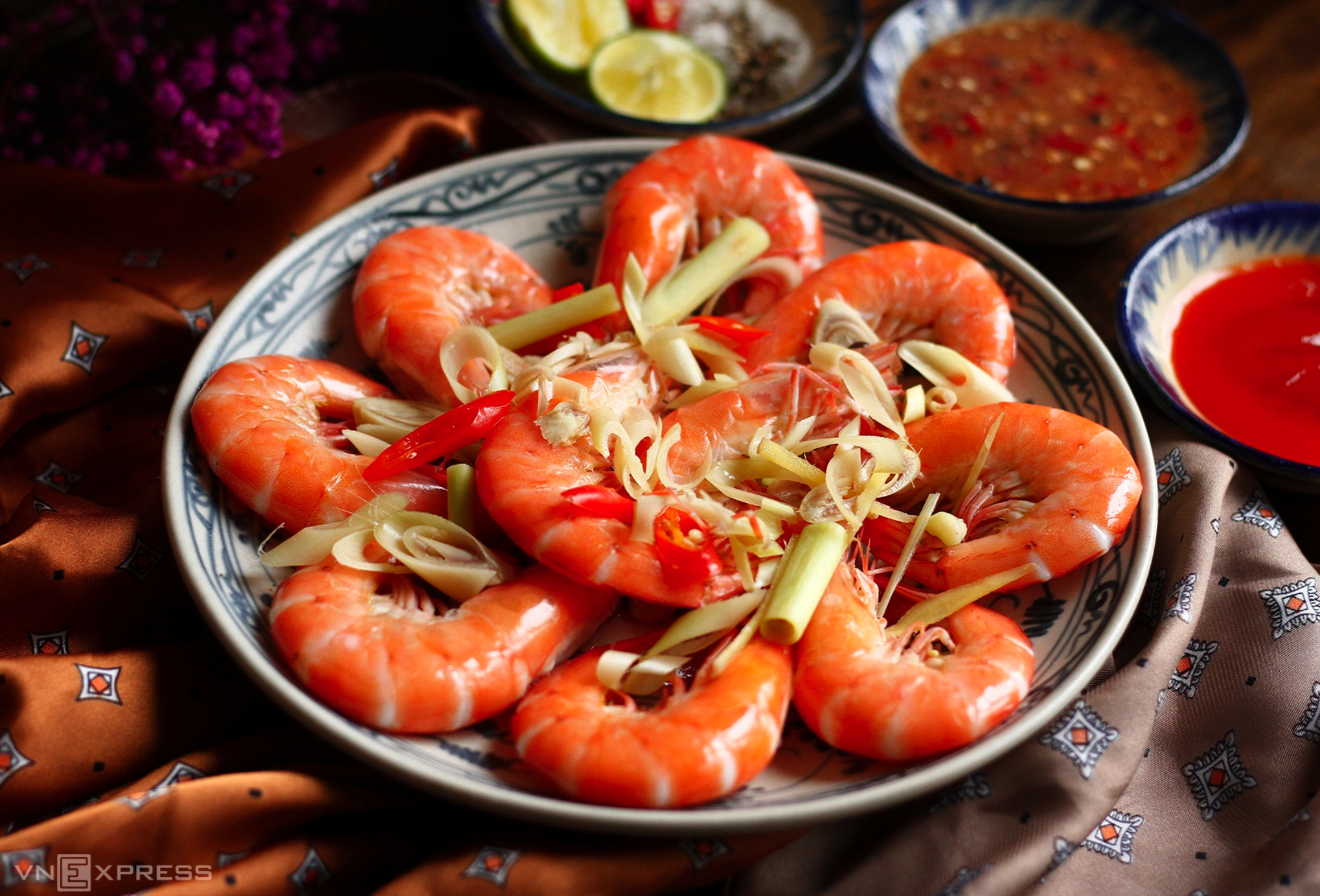
Shrimp contains lean protein and is low in fat. *Photo: Bui Thuy*

Manage cholesterol

High levels of low-density lipoprotein (LDL) cholesterol, often called "bad" cholesterol, can lead to the accumulation of fatty substances or plaque in the arteries, causing atherosclerosis. This plaque can narrow arteries leading to the brain, forming blood clots that cause ischemic strokes.

Lowering LDL cholesterol helps slow or prevent plaque buildup in the arteries. Healthy individuals should maintain LDL levels below 100 mg/dL. Those at higher risk or with a history of stroke should consult their doctor about a safe LDL level for their health.

Lifestyle changes significantly impact cholesterol levels. Replacing unhealthy foods like sugary drinks, processed meats, and fast food with chicken, fish, and heart-healthy fats such as olive oil helps reduce cholesterol.

Engage in regular physical activity

Physical activity helps maintain cardiovascular health by lowering blood pressure, increasing "good" HDL cholesterol, stabilizing weight, and controlling blood sugar – all factors that reduce stroke risk. Adults should engage in at least 30 minutes of physical activity daily, which can be broken into multiple sessions of walking or cycling to meet this goal.

To protect heart health, individuals should quit smoking (if applicable) and avoid secondhand smoke exposure. Additionally, aim for 7-9 hours of sleep each night for optimal cardiovascular health, as both too little and too much sleep can increase stroke risk. Avoid alcohol, reduce stress, and dedicate time to yoga, meditation, deep breathing, or socializing with friends to relax and boost immune health.

*Anh Chi (According to Eating Well)*
By VnExpress: https://vnexpress.net/4-cach-bao-ve-tim-giup-giam-nguy-co-dot-quy-5070726.html
Tags: hypertension stroke

News in the same category

Husband diagnosed with hepatitis B: how to prevent transmission?

Husband diagnosed with hepatitis B: how to prevent transmission?

My husband has just been diagnosed with hepatitis B; what steps can I take to prevent infection? asks Nhu Giang, 38, from Dak Lak.

People who should limit eating jackfruit

People who should limit eating jackfruit

Individuals with kidney disease, diabetes, digestive issues, or a latex allergy should be cautious when consuming jackfruit.

Assailants of doctors to face fines of 40 million dong

Assailants of doctors to face fines of 40 million dong

Starting 15/5, individuals who assault doctors or publish accusatory information regarding medical incidents without official conclusions will be fined between 30 and 40 million dong.

Woman's bladder diverticulum twice the size of her bladder

Woman's bladder diverticulum twice the size of her bladder

Ms. Huong, 63, experienced difficult and painful urination for two years before doctors discovered a diverticulum nearly twice the size of her bladder.

Can people with musculoskeletal conditions eat fertilized duck eggs?

Can people with musculoskeletal conditions eat fertilized duck eggs?

I've heard fertilized duck eggs are very nutritious and beneficial for those with musculoskeletal conditions. Should I consume them regularly? (Thanh Ha, Nha Trang)

Keloids after ear piercing

Keloids after ear piercing

Hoa, 20 years old, developed a large keloid after an ear piercing on her ear cartilage, experiencing itching, burning, and inflammation.

Five simple ways to relieve itchy eyes

Five simple ways to relieve itchy eyes

Avoid rubbing itchy eyes; instead, consider using prescribed drops, cold compresses, eyelid hygiene, and adequate rest.

Daily habits silently increase cholesterol

Daily habits silently increase cholesterol

Prolonged stress, insufficient sleep, frequently skipping meals, and consuming many processed foods can increase cholesterol, negatively affecting cardiovascular health.

Eating one to two eggs daily to prevent stroke?

Eating one to two eggs daily to prevent stroke?

My wife says eating eggs daily helps prevent cardiovascular disease and stroke, so we should eat a maximum of two eggs. Is this true? (Huy, 32, Hanoi).

Doctor advises on preventing respiratory illnesses in summer

Doctor advises on preventing respiratory illnesses in summer

Proper air conditioning use, regular exercise, avoiding tobacco smoke, and maintaining a clean living environment can help protect the respiratory system.

Eng English
China 中国人
  • News
  • World
  • Business
  • Entertainment
  • Sports
  • Law
  • Education
  • Health
  • Lifestyle
  • Travel
  • Science
  • Digital
  • Automobiles
FPT Tower, 10 Pham Van Bach Street, Dich Vong Ward,
Cau Giay District, Hanoi, Vietnam
Email: contacts@vnportal.net
Tel: 028 7300 9999 - Ext 8556
Advertise with us: 090 293 9644
Register
© Copyright 2026 vnnow.net. All rights reserved.
Terms of use Privacy policy Cookies