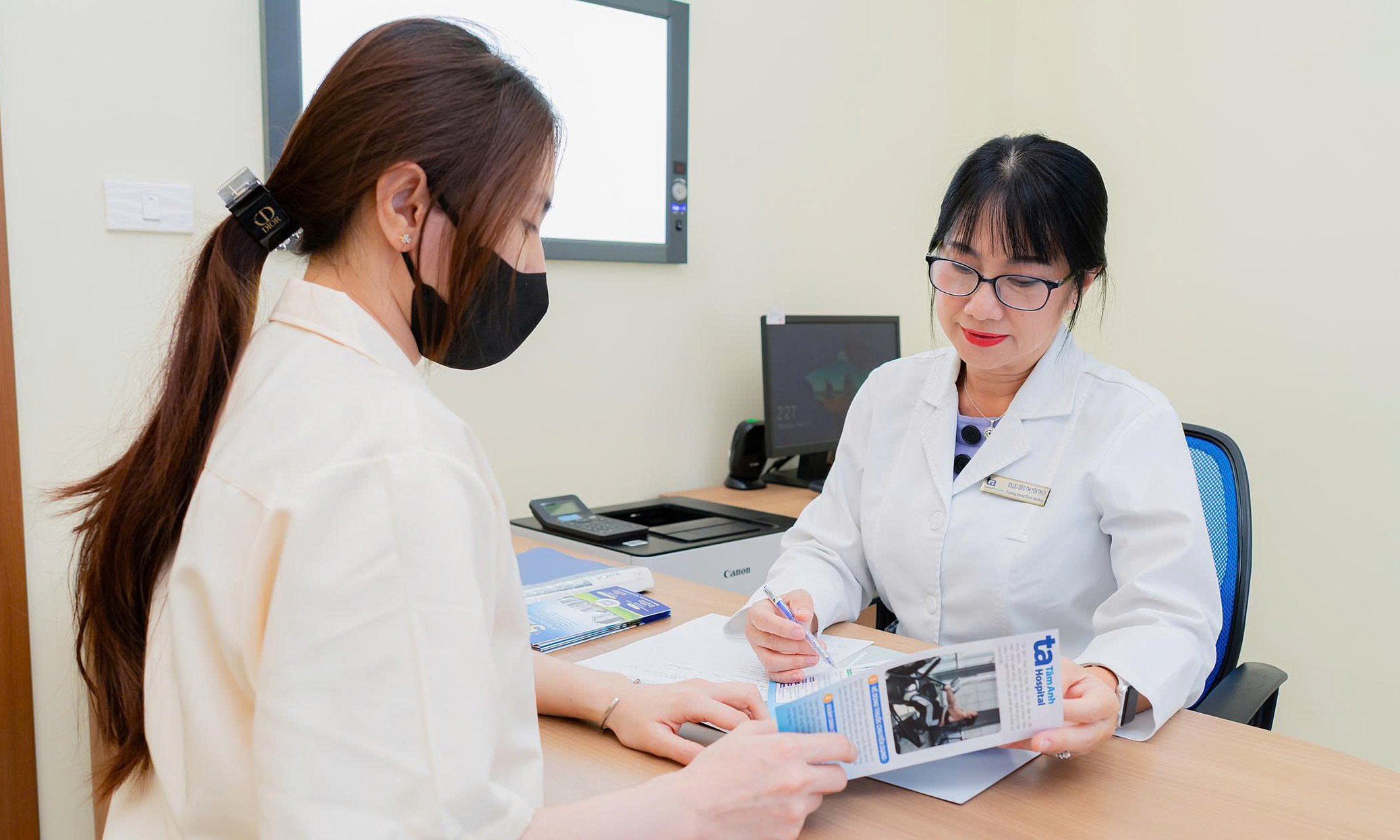
Doctor of First Degree Specialist Nguyen Ngoc Tran, from the Department of Dermatology - Aesthetic Dermatology at Tam Anh General Hospital TP HCM, identified a 2 cm keloid on Hoa's left ear cartilage. This keloid developed from chronic local inflammation at the piercing site. The piercing was located on the ear cartilage, an area distinct from the earlobe, which has soft tissue and a richer blood supply.
Doctor Tran explained that ear cartilage has poorer nourishing capabilities, leading to a slower healing process and prolonged irritation. This, combined with a predisposition to keloids and inflammatory reactions, significantly increases the risk of keloid formation. In Hoa's case, she frequently changed her earrings before the wound stabilized. This constant removal and insertion caused friction and irritation, preventing the tissue from fully recovering and leading to persistent inflammation. Additionally, using unsuitable metal earrings, particularly those containing irritating components like nickel, can intensify local inflammatory responses, disrupting healing and promoting keloid development.
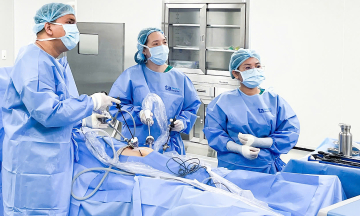
Doctors treated Hoa with triamcinolone injections over a course of 6-8 sessions, each spaced approximately one month apart. This method aims to reduce inflammation, soften, and gradually flatten the scar tissue. After three treatments, the keloid decreased in size, and became less tense and itchy. However, continued monitoring and adherence to the full regimen are necessary for optimal results.
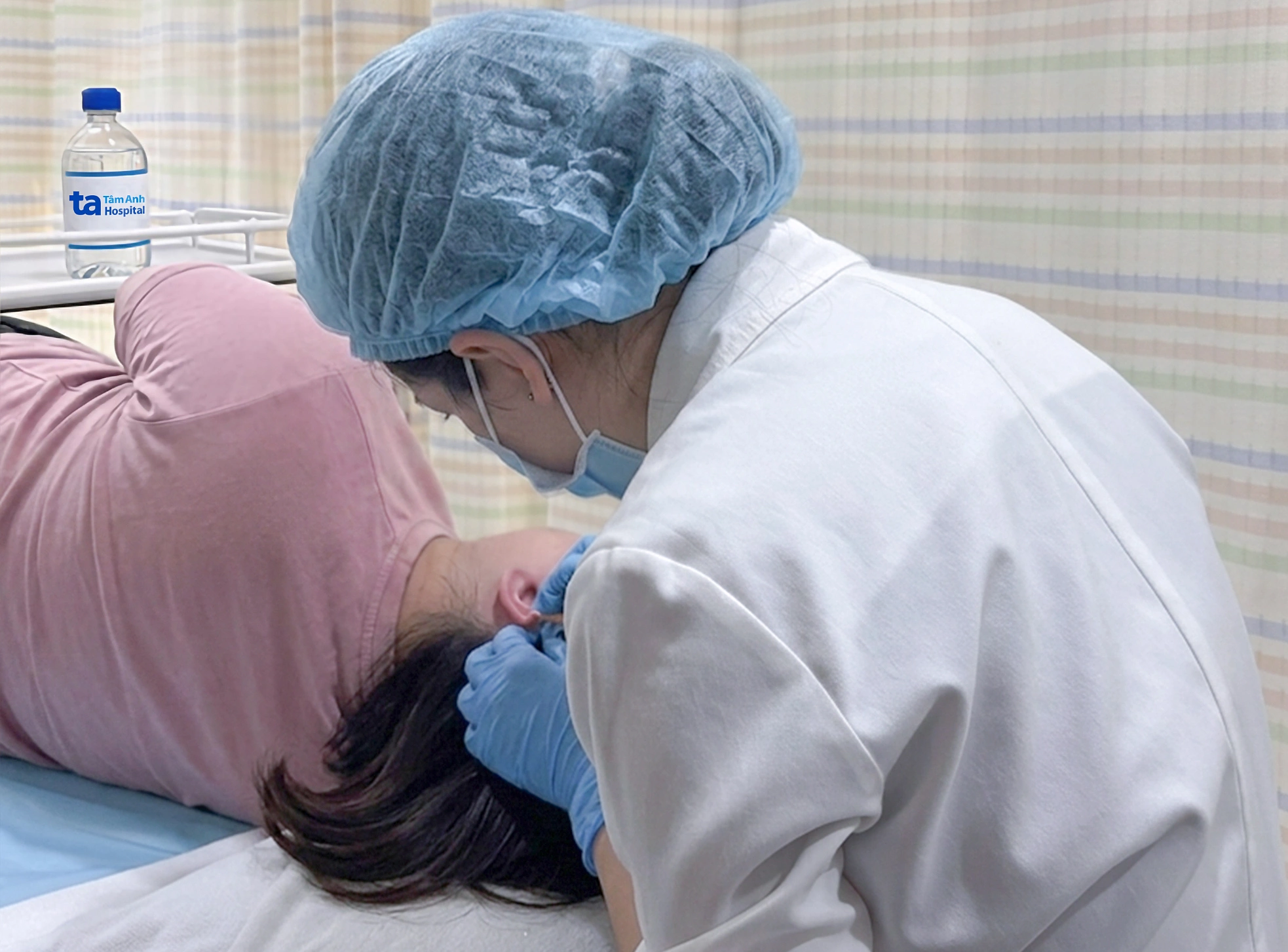 |
Doctors inject triamcinolone to soften and shrink the keloid for Hoa. *Photo: Tam Anh General Hospital* |
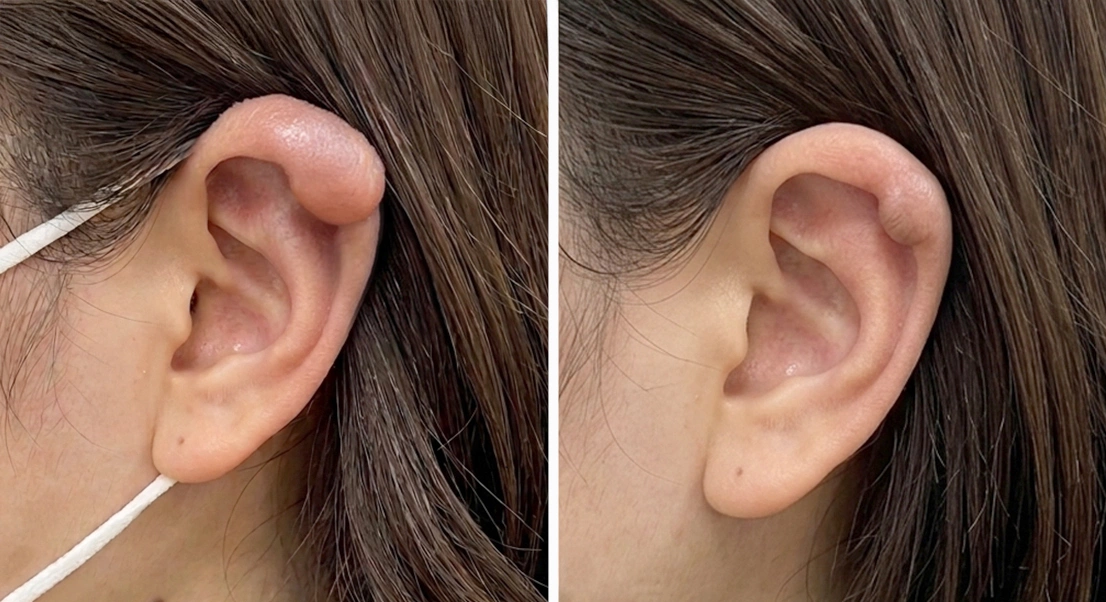 |
Hoa's keloid is smaller after three triamcinolone injections. *Photo: Tam Anh General Hospital* |
According to Doctor Tran, ear piercing does not always cause keloids, but the risk increases significantly when performed on cartilage, especially with improper aftercare. Many people overlook initial signs such as burning, redness, and mild swelling. If not addressed promptly, the inflammatory reaction can persist, stimulating excessive scar tissue growth. Keloids are difficult to treat definitively and carry a risk of recurrence if irritating factors are not well controlled. Therefore, individuals considering a piercing should carefully choose the location, prioritizing the earlobe, particularly if they are prone to keloid formation.
After piercing, proper hygiene is essential. Limit touching the piercing or changing earrings too soon. Choose safe, low-irritation earring materials. If abnormal signs such as prolonged swelling, pain, or thickened tissue appear, it is advisable to visit a hospital for early examination and timely treatment to prevent complications.
Minh Huong
*Character's name has been changed