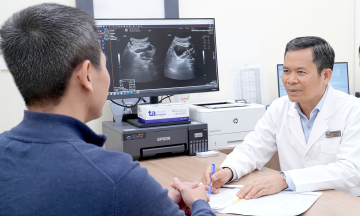
Over 8 years ago, Ms. Linh was diagnosed with breast cancer and underwent surgery, followed by hormone therapy for 5 years to help manage the disease. Recently, she experienced vaginal bleeding. During a health check-up at Tam Anh General Hospital Ho Chi Minh City, an ultrasound revealed multiple uterine fibroids and an endometrial thickness of 8 mm. In postmenopausal women, this measurement is typically around 2-3 mm. Doctors ordered an endometrial biopsy, which confirmed atypical endometrial hyperplasia, indicating a high risk of malignant progression.
Doctor Nguyen Thi Yen Thu, from the Obstetrics and Gynecology Center, stated that 25-30% of atypical endometrial hyperplasia cases can develop into uterine cancer if left untreated.
Normally, the endometrium is controlled by a balance between estrogen and progesterone. When estrogen acts continuously without counteracting progesterone, the endometrial lining proliferates constantly. Endometrial cells then show atypical structural changes and proliferative capacity, making them prone to mutations. Over time, these atypical cells grow uncontrollably, transforming into endometrial cancer.
Women who are obese, those with anovulation or irregular menstruation, diabetes, hypertension, or a family history are also at high risk. Ms. Linh, for example, had breast cancer, and many of her relatives died from cancer, though none had undergone hereditary gene mutation testing.
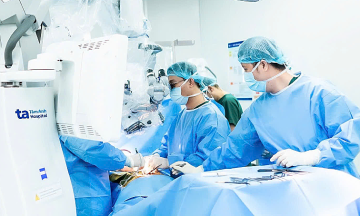
Ms. Linh underwent a hysterectomy and bilateral salpingo-oophorectomy to remove the uterine fibroids and prevent the risk of endometrial proliferation progressing to cancer.
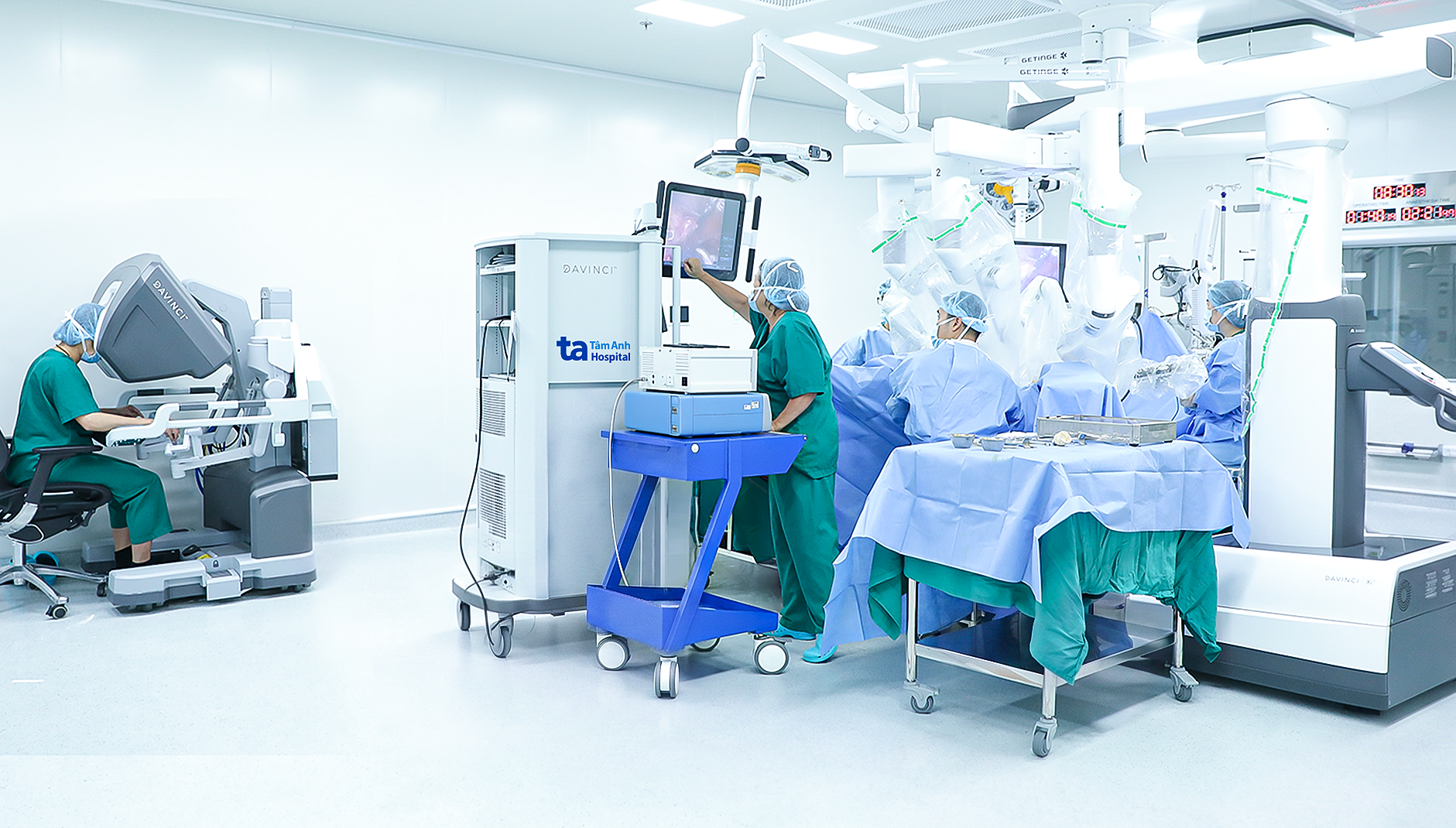 |
Doctor Yen Thu operating the Da Vinci Xi robot for Ms. Linh's hysterectomy. Photo: Trung Vu |
The doctor controlled the Da Vinci Xi robot arms to cut, suture, and control bleeding, then removed the uterus through the vagina. One day after surgery, Ms. Linh recovered well, was able to walk independently, and was discharged.
According to Doctor Yen Thu, breast cancer and endometrial cancer are not "cross-metastatic" diseases, but they share many connections regarding hormones, risk factors, and treatment. Both diseases are influenced by the hormone estrogen. When estrogen acts continuously or is imbalanced with progesterone, the risk of atypical cells appearing in both the breast and endometrium increases.
Furthermore, some hormone therapies for breast cancer help prevent estrogen from acting on breast tissue to reduce cancer recurrence, but they can stimulate the endometrium to thicken. If used long-term, these drugs increase the risk of endometrial hyperplasia and endometrial cancer. These two diseases also have a hereditary link. Some gene mutations, such as BRCA or Lynch syndrome, increase the risk of developing these diseases.
Doctor Yen Thu noted that the benefits of hormone therapy for breast cancer far outweigh the risks of side effects. Therefore, women who have had breast cancer, especially those experiencing abnormal vaginal bleeding after menopause, should undergo regular gynecological check-ups for early screening of endometrial lesions.
Tue Diem
*Character's name has been changed
| Readers can submit questions about obstetrics and gynecology here for doctors to answer |