Eng English
China 中国人

Eng English
China 中国人
  • News
  • World
  • Business
  • Entertainment
  • Sports
  • Law
  • Education
  • Health
  • Lifestyle
  • Travel
  • Science
  • Digital
  • Automobiles
  • Trở lại Thể thao
  • Health
Tuesday, 5/5/2026 | 08:02 GMT+7

Increased eye pressure suspected from corticosteroid eye drops

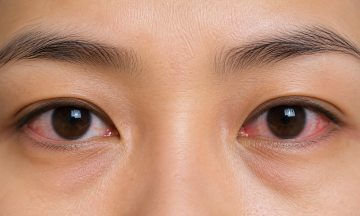
Minh, 39, presented with red, swollen, and irritated eyes, along with abnormally high intraocular pressure; doctors suspect the cause is corticosteroid eye drops used to treat allergic conjunctivitis.

Doctor Le Thi Thanh Hai, from the High-Tech Eye Center, Tam Anh General Hospital TP HCM, stated that Minh's vision in both eyes was 9/10, but specialized examination revealed high intraocular pressure of 24 mmHg (normal range 11-21 mmHg).

Minh has suffered from allergic conjunctivitis since he was 16, a chronic condition for which he regularly used corticosteroid eye drops.
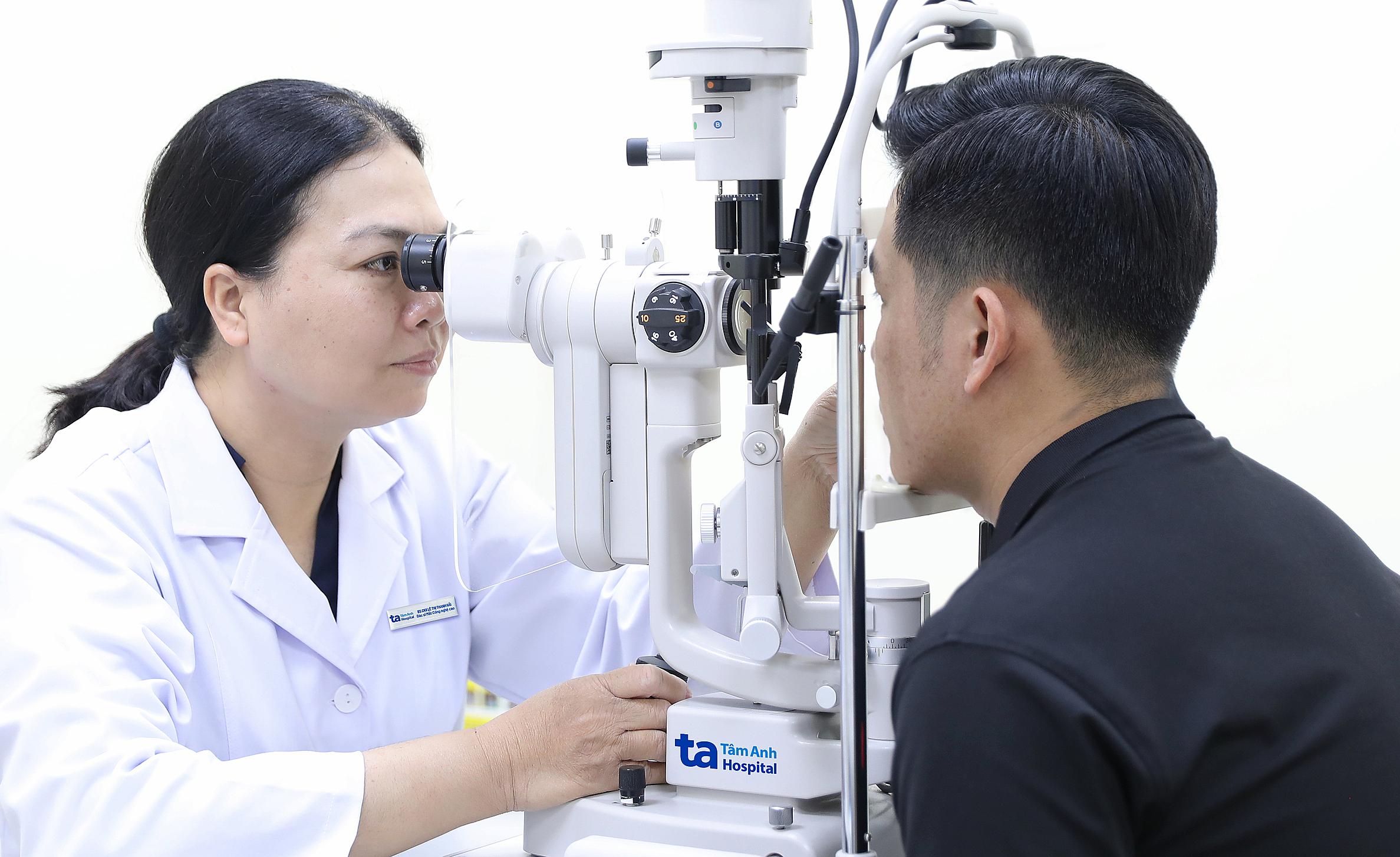
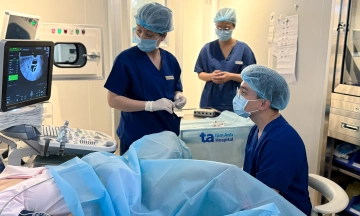
Doctor Hai examining Minh's eyes with a slit lamp. *Photo: Tam Anh General Hospital*

Allergic conjunctivitis is a common condition where the conjunctiva (membrane covering the white of the eye) becomes inflamed due to contact with allergens like dust mites, pollen, or pet dander, causing itching, swelling, and redness in one or both eyes. Doctor Hai suspects that Minh's prolonged or excessive use of corticosteroid-containing medication may have caused the increased intraocular pressure.

In-depth eye examination showed no damage to Minh's visual field or optic nerve, indicating that pressure-lowering medication was not yet necessary. Doctors prescribed non-corticosteroid anti-allergy medication combined with artificial tears.

Minh also underwent a clinical immunology consultation, which identified an allergy to house dust mites. Doctors advised him to limit exposure to allergens, maintain a clean living environment, consider using an air purifier, wear glasses outdoors, and rinse his eyes daily with physiological saline.

After two weeks, symptoms significantly reduced, and intraocular pressure returned to 18 mmHg.

Increased intraocular pressure, also known as glaucoma, is a condition where pressure inside the eye rises due to impaired aqueous humor circulation. The disease often has no symptoms in its early stages but can cause optic nerve damage, visual field narrowing, and even lead to blindness if not treated promptly.

Doctors advise against self-medicating with corticosteroid eye drops or intraocular pressure-lowering drugs. Individuals experiencing persistent redness, itching, or eye irritation should seek specialized medical attention for proper examination and treatment.

Ngoc Kim Tham

*Character's name has been changed

Readers can submit questions about ophthalmic diseases here for doctors to answer
By VnExpress: https://vnexpress.net/tang-nhan-ap-nghi-do-dung-thuoc-nho-mat-corticoid-5069750.html
Tags: increased intraocular pressure eye disease corticosteroid

News in the same category

Misunderstanding genital warts transmission

Misunderstanding genital warts transmission

Many people mistakenly believe genital warts are only transmitted through direct sexual intercourse, leading them to be complacent about intimate contact, or lesions in the mouth or genital area.

How to reduce ovarian hyperstimulation during in vitro fertilization?

How to reduce ovarian hyperstimulation during in vitro fertilization?

I once experienced ovarian hyperstimulation and required hospitalization. If I continue with in vitro fertilization, how can I avoid this condition? (Thu Hang, TP HCM)

The truth about baby diapers in China accused of containing the toxic substance formamide

The truth about baby diapers in China accused of containing the toxic substance formamide

Information alleging that Huggies, Bibaby, and Babycare diapers contain the "toxic substance formamide" has drawn public attention, but the China Paper Association and manufacturers immediately refuted the claims, asserting product safety and citing a lack of scientific basis in the test results.

Unilateral drooping eyelid: what does it signal?

Unilateral drooping eyelid: what does it signal?

A unilateral drooping eyelid can simply be a sign of aging, but sometimes it indicates myasthenia gravis, nerve damage, stroke, or other serious conditions.

Doctors from two hospitals unite to save 11-year-old run over by car

Doctors from two hospitals unite to save 11-year-old run over by car

An 11-year-old child, critically injured after being run over by a car, was saved through over 10 hours of collaborative effort during the 'golden hour' by doctors from Vung Tau General Hospital and Children's Hospital 1.

7 nutrients for bone health in menopausal women

7 nutrients for bone health in menopausal women

Calcium, vitamins D and K, protein, and omega-3 support bone density and reduce osteoporosis risk in menopausal women.

When is knee osteoarthritis surgery necessary?

When is knee osteoarthritis surgery necessary?

I have suffered from osteoarthritis for many years, and the condition is currently well-controlled. Will I need surgery in the future? (My Hanh, Tien Giang)

When is a tongue-tie release necessary for children?

When is a tongue-tie release necessary for children?

Children may require a tongue-tie release if they have difficulty breastfeeding, struggle with solid foods, or experience unclear speech as they get older.

Does scalp massage help hair growth?

Does scalp massage help hair growth?

My hair has been falling out quite a lot recently, and many people suggest that regular scalp massage can stimulate hair regrowth. Is this true? (My Thuy, 35 years old)

Doctor warns of four at-risk groups for kidney failure in young adults

Doctor warns of four at-risk groups for kidney failure in young adults

Young adults with high blood pressure, obesity, a family history of kidney disease, or a history of acute kidney failure face a heightened risk of developing chronic kidney disease.

Eng English
China 中国人
  • News
  • World
  • Business
  • Entertainment
  • Sports
  • Law
  • Education
  • Health
  • Lifestyle
  • Travel
  • Science
  • Digital
  • Automobiles
FPT Tower, 10 Pham Van Bach Street, Dich Vong Ward,
Cau Giay District, Hanoi, Vietnam
Email: contacts@vnportal.net
Tel: 028 7300 9999 - Ext 8556
Advertise with us: 090 293 9644
Register
© Copyright 2026 vnnow.net. All rights reserved.
Terms of use Privacy policy Cookies