


Avoiding the foods listed below can help you achieve better sleep and mitigate digestive health issues.
Pizza
Pizza is a popular late-night meal, but it can interfere with sleep, especially for individuals with acid reflux. The tomato sauce used in many pizzas is acidic and can irritate the stomach, causing heartburn, reflux, and indigestion.
Pizza also contains high fat content, which takes longer to digest, increasing the risk of these symptoms if you lie down immediately after eating.
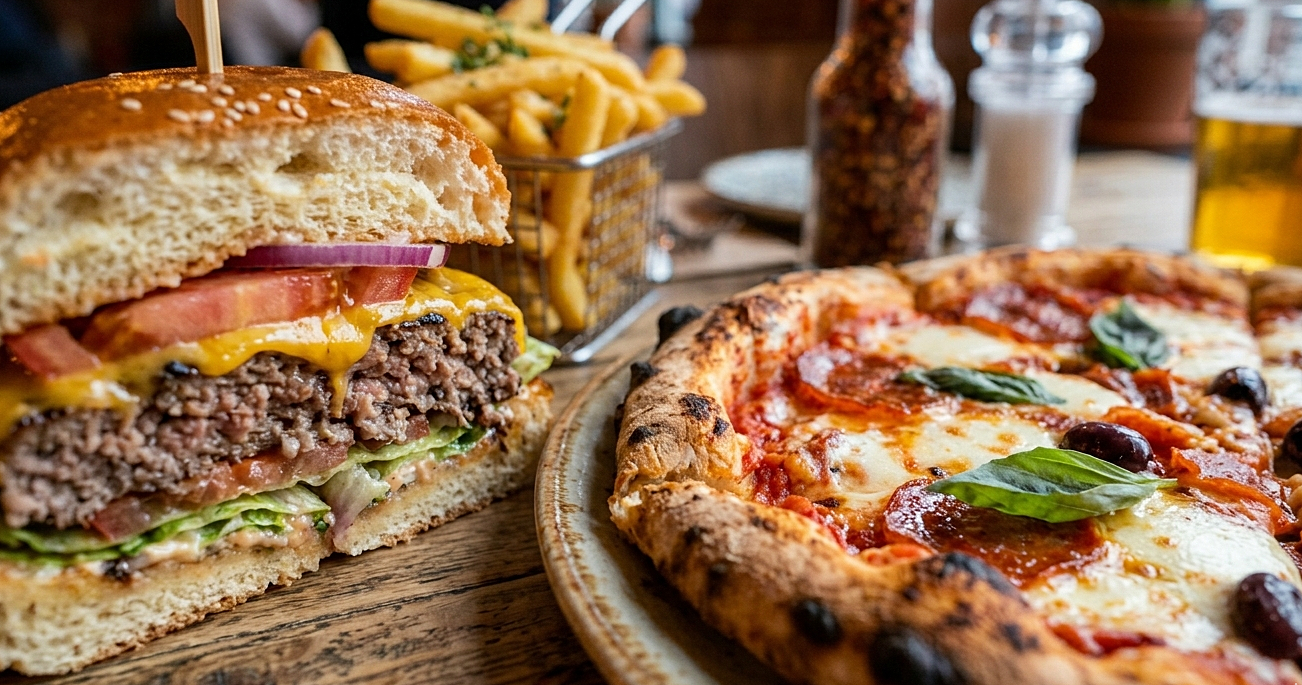 |
Avoid eating fried, high-fat, and high-calorie foods such as hamburgers, pizza, and french fries close to bedtime. AI-generated image |
Ice cream
Ice cream typically contains sugar, calories, and unhealthy fats. Eating too much ice cream at night can cause blood sugar levels to spike and then rapidly drop, disrupting sleep. One study indicates that sugary and fatty snacks like ice cream may lead to late-night eating habits and disrupt children's natural sleep-wake cycle, also known as circadian rhythm.
French fries
French fries are rich in refined carbohydrates, which can elevate blood sugar, making it harder to fall asleep. They also contain high levels of calories, fat, and sodium. Research suggests that high sodium intake leads to poor sleep quality and shorter sleep duration. Sodium can also cause sleep interruptions, such as frequent nighttime awakenings for urination.
Chili peppers
Spicy foods like chili peppers are known to trigger heartburn and indigestion. Consuming them before bed can make it harder to sleep. They also contain high levels of capsaicin, the compound responsible for their spiciness, which can raise body temperature and hinder sleep.
Citrus fruits
Oranges and other citrus fruits, such as grapefruit and lemons, are nutritious. However, they are not a good choice before bed for individuals prone to heartburn. Their acidity is more likely to cause heartburn than other fruits, especially if you lie down soon after eating them.
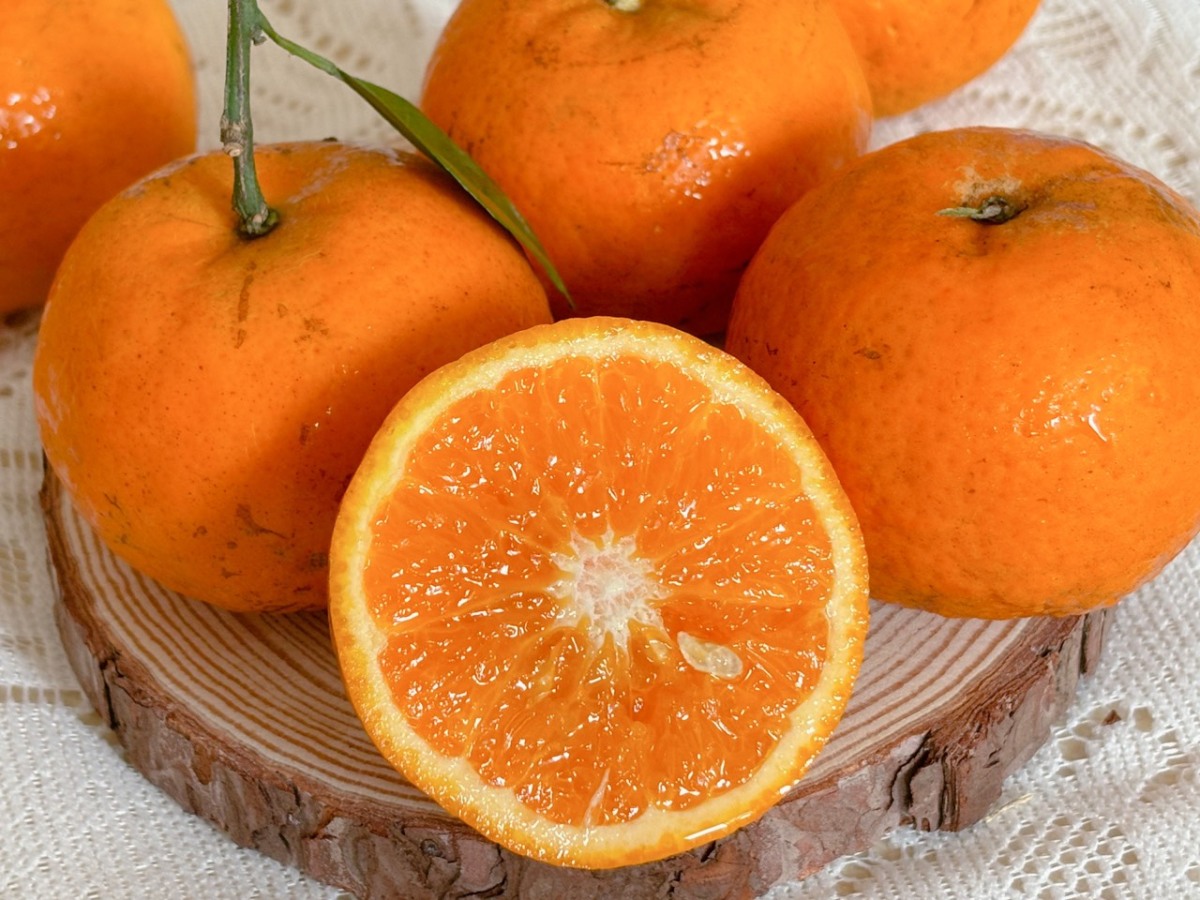 |
Citrus fruits can easily cause heartburn and difficulty sleeping. Photo: Bao Bao |
Beans
Beans contain fiber that is difficult to digest, leading to gas and bloating, particularly if you are unaccustomed to a high-fiber diet. Nevertheless, a high-fiber diet can improve sleep. Incorporate fiber-rich foods like beans and whole grains into your daily diet, but avoid consuming large quantities right before bed.
Dark chocolate
Dark chocolate is a better choice than milk chocolate but contains more caffeine. Caffeine stimulates acid production in the stomach, leading to digestive discomfort or heartburn. It also contains theobromine, a central nervous system stimulant, which can make it harder to fall asleep.
Dried fruit
Eating a small amount of dried fruit at night is unlikely to affect sleep, but consuming too much can cause insomnia. In addition to fiber, dried fruit contains more calories and natural sugars than fresh fruit, making it difficult to fall and stay asleep.
Hamburgers
Cheeseburgers contain high levels of saturated fat, which can cause more awakenings during the night and shorten deep sleep duration, which is crucial for feeling alert in the morning. Furthermore, regularly eating a high-calorie, heavy meal like hamburgers and french fries before bed can increase the risk of obesity and heart disease.
Sugary cereals
Cereal is a quick and tasty late-night snack. However, sugary cereals are high in refined carbohydrates, which can cause blood sugar spikes and disrupt sleep. These cereals are often high in calories and low in nutrients, providing little satiety and contributing to weight gain if consumed regularly.
Eating cereals and other carbohydrate-rich foods about 4 hours before bedtime can have the opposite effect, aiding sleep. Enjoy cereals earlier in the evening or afternoon, and opt for whole-grain varieties without added sugar.
How to choose a bedtime snack
If you feel hungry, you can still eat before bed, but you should avoid high-calorie, fried, spicy, high-refined starch, or high-fat foods. A snack under 200 calories, rich in nutrients and carbohydrates, can reduce hunger, help you fall asleep more easily, and sleep soundly through the night. For individuals with diabetes, a snack rich in protein and healthy fats, and low in carbohydrates, can prevent blood sugar spikes the following day.
Some foods also contain nutrients beneficial for sleep:
Tryptophan: This amino acid aids in the production of serotonin and melatonin. Tryptophan-rich foods include oats, tuna, soybeans, pumpkin seeds, low-fat milk, chia seed pudding, pork tenderloin, turkey breast, and eggs.
Serotonin: This feel-good hormone supports mood, memory, and sleep. Serotonin-rich foods include bananas, kiwi, pineapple, plums, and walnuts.
Melatonin: This hormone regulates the sleep-wake cycle. Melatonin-rich foods include unsweetened tart cherry juice, almonds, walnuts, corn, and strawberries.
Anh Ngoc (According to Verywell Health)


