A dry nose indicates a weakening of the respiratory system's natural protective barrier. Normally, the nasal lining is covered by a thin layer of mucus, which keeps it moist and traps dust, bacteria, and virus before they enter the body. Concurrently, the ciliary system works continuously to expel these agents, naturally cleaning the airways.
However, air-conditioned environments with low humidity disrupt this mechanism. This mucus layer dries out or is produced in smaller amounts, reducing protective capabilities and allowing microorganisms to adhere and grow on the nasal lining.
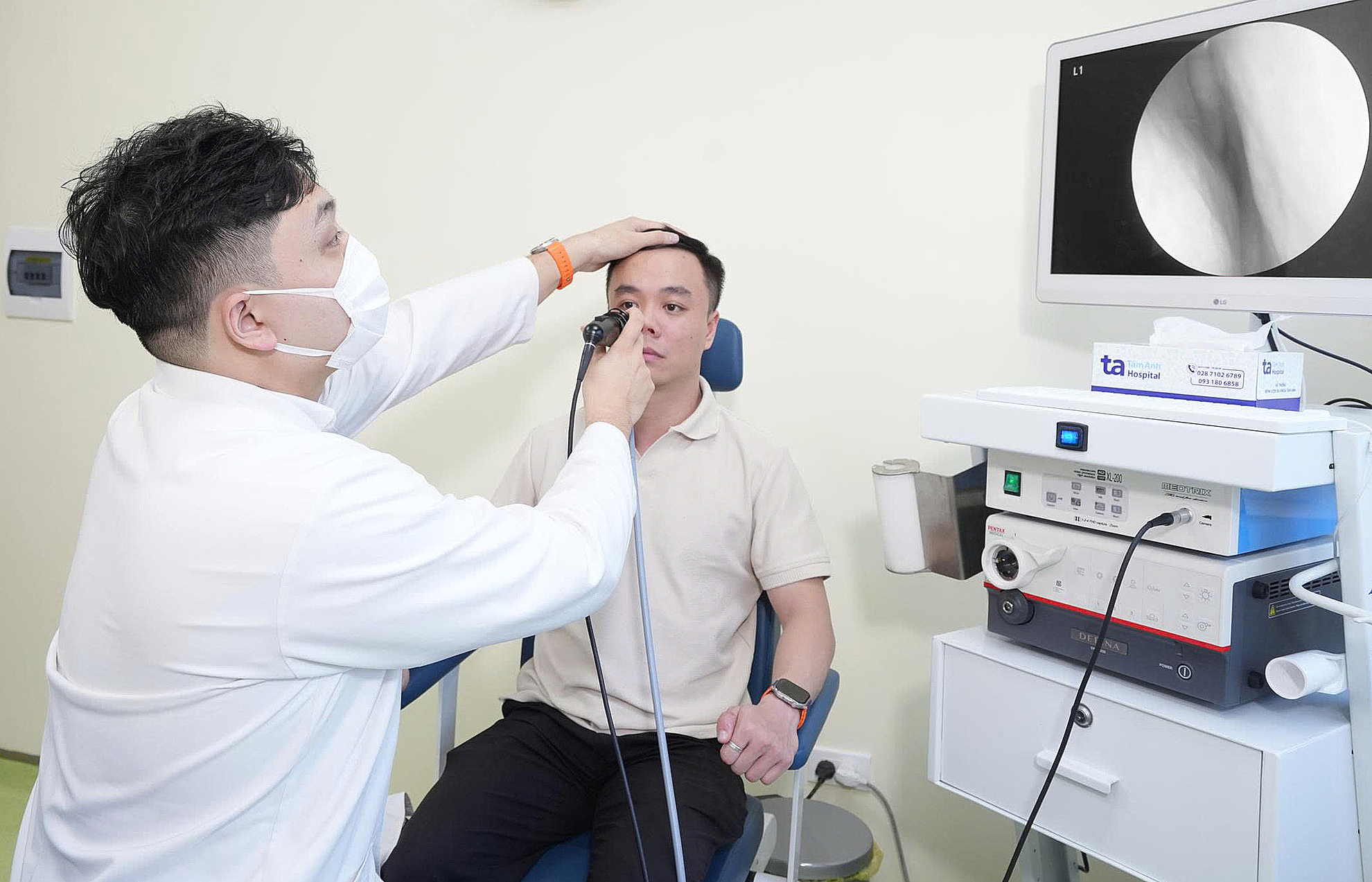 |
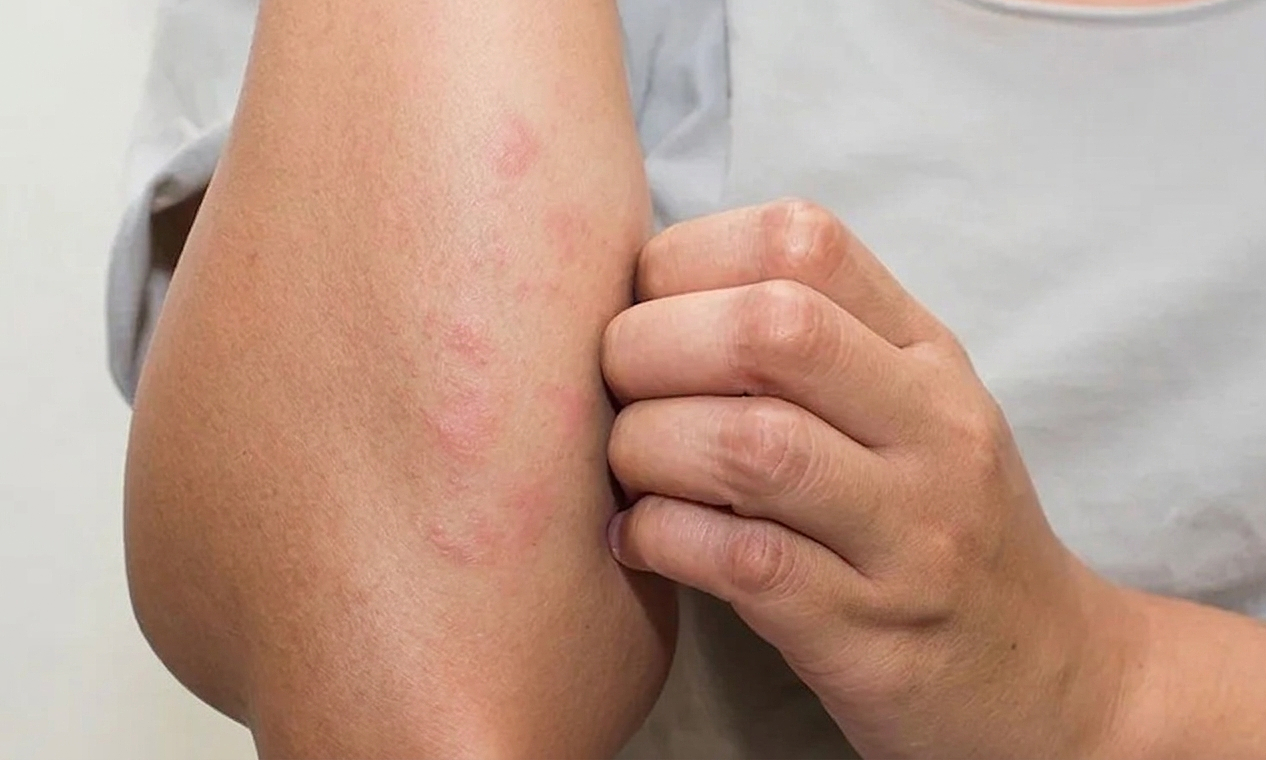
A patient's nose is dry from sitting in an air-conditioned office. Illustration: Tam Anh General Hospital |
Dry air impairs the activity of the ciliary system, increasing the risk of upper respiratory infections. Additionally, the nasal lining in such environments becomes more prone to irritation, inflammation, and damage, especially after prolonged periods in enclosed rooms. Beyond dryness, individuals may experience accompanying symptoms such as nasal itching, burning, mild sneezing, or nosebleeds. A prolonged condition can easily lead to rhinitis or worsen existing conditions like allergic rhinitis and sinusitis.
Working in enclosed offices with continuous air conditioning reduces humidity and limits air circulation, leading to increased concentrations of fine dust and microorganisms in the workspace. This directly impacts the nasal lining, increasing the risk of irritation and damage.
If you work in an air-conditioned environment for extended periods, you should focus on maintaining appropriate humidity. Drink 1,5-2 liters of water daily and avoid direct cold air blowing on your face. Use a humidifier or place a small basin of water in the room to add moisture to the air.
If symptoms like dry nose, recurrent nosebleeds, or prolonged nasal congestion persist for more than two weeks, you should seek medical attention for proper evaluation and treatment guidance.
Master, Doctor Pham Vu Hong Hanh
Department of Otolaryngology
Tam Anh General Hospital Hanoi