Dr. Ho Tan Thong, from the Department of Nephrology - Dialysis at Tam Anh General Clinic District 7, reported that Ms. Hanh's estimated glomerular filtration rate (eGFR) was 39.7 mL/min/1.73 m², indicative of stage 3b kidney failure. Her creatinine levels were 1.3 to 3 times higher than normal, leading to a diagnosis of acute kidney injury on a background of chronic kidney disease.
Ms. Hanh had been diagnosed with hyperthyroidism 25 years prior and had been on stable medication. Five years later, she gave birth to a child with developmental delays. Dr. Thong observed signs consistent with thyroid dysfunction and ordered thyroid hormone tests. These tests revealed decreased FT4 and elevated TSH levels, confirming hypothyroidism.
Dr. Thong explained that thyroid hormones play a vital role in maintaining heart function and nearly all bodily activities. When these hormones decrease, heart activity diminishes, potentially affecting renal blood flow. Insufficient blood supply to the kidneys leads to a reduced glomerular filtration rate. Hypothyroidism also affects renal tubule function and can directly impact kidney metabolism and local activity. Conversely, kidney disease can affect thyroid hormone metabolism in the body.
Ms. Hanh's history of hyperthyroidism meant that despite previous treatment, her thyroid gland could still suffer damage over time, leading to hypothyroidism. Dr. Thong collaborated with the endocrinology department to administer kidney-preserving medication. This treatment aims to support filtration function, control blood pressure and other risk factors, and address her hypothyroidism.
After three months of medical treatment, the patient's eGFR increased to 72 mL/min/1.73 m², and her TSH levels decreased, indicating a good response to medication. She requires regular follow-up appointments to monitor her condition and adjust her prescription until her indicators return to normal.
 |
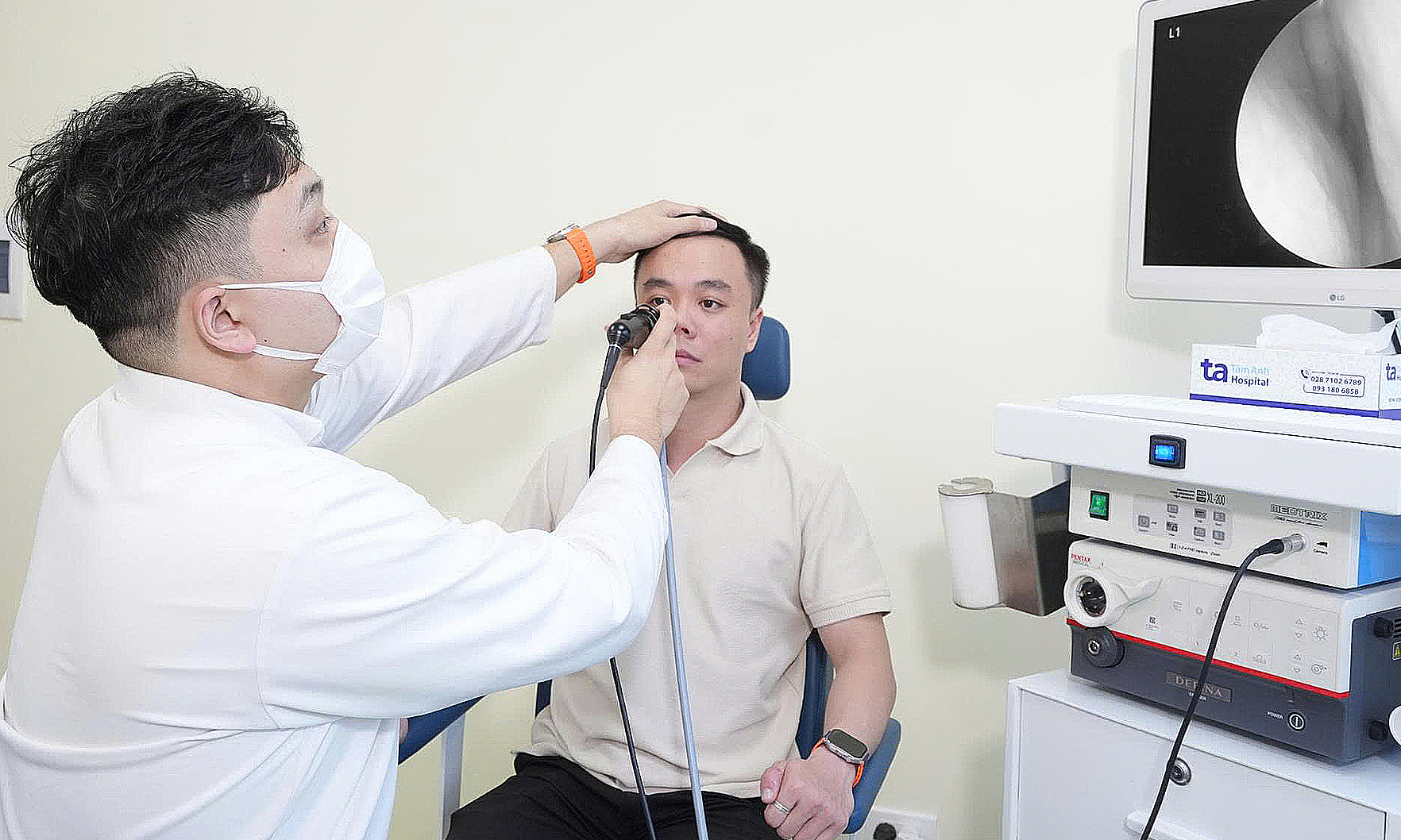
Dr. Thong examining and advising Ms. Hanh. Photo: *Tam Anh General Clinic District 7* |
Kidney failure and hypothyroidism can mutually affect each other. When one of these organs functions poorly, the other can also be impacted. In cases of hypothyroidism, reduced blood flow to the kidneys impairs filtration function. Conversely, kidney disease can affect hormone metabolism throughout the body.
Dr. Thong noted that both conditions present with vague symptoms such as fatigue, lethargy, edema, dry skin, pallor, anemia, or poor cold tolerance. These symptoms are easily mistaken for signs of aging or common ailments, leading many to overlook the disease or receive a late diagnosis. Patients experiencing these symptoms should seek early examination at specialized hospitals for comprehensive evaluation and appropriate treatment.
Dinh Lam
*Patient's name has been changed