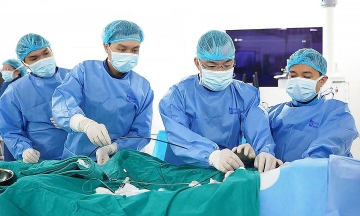
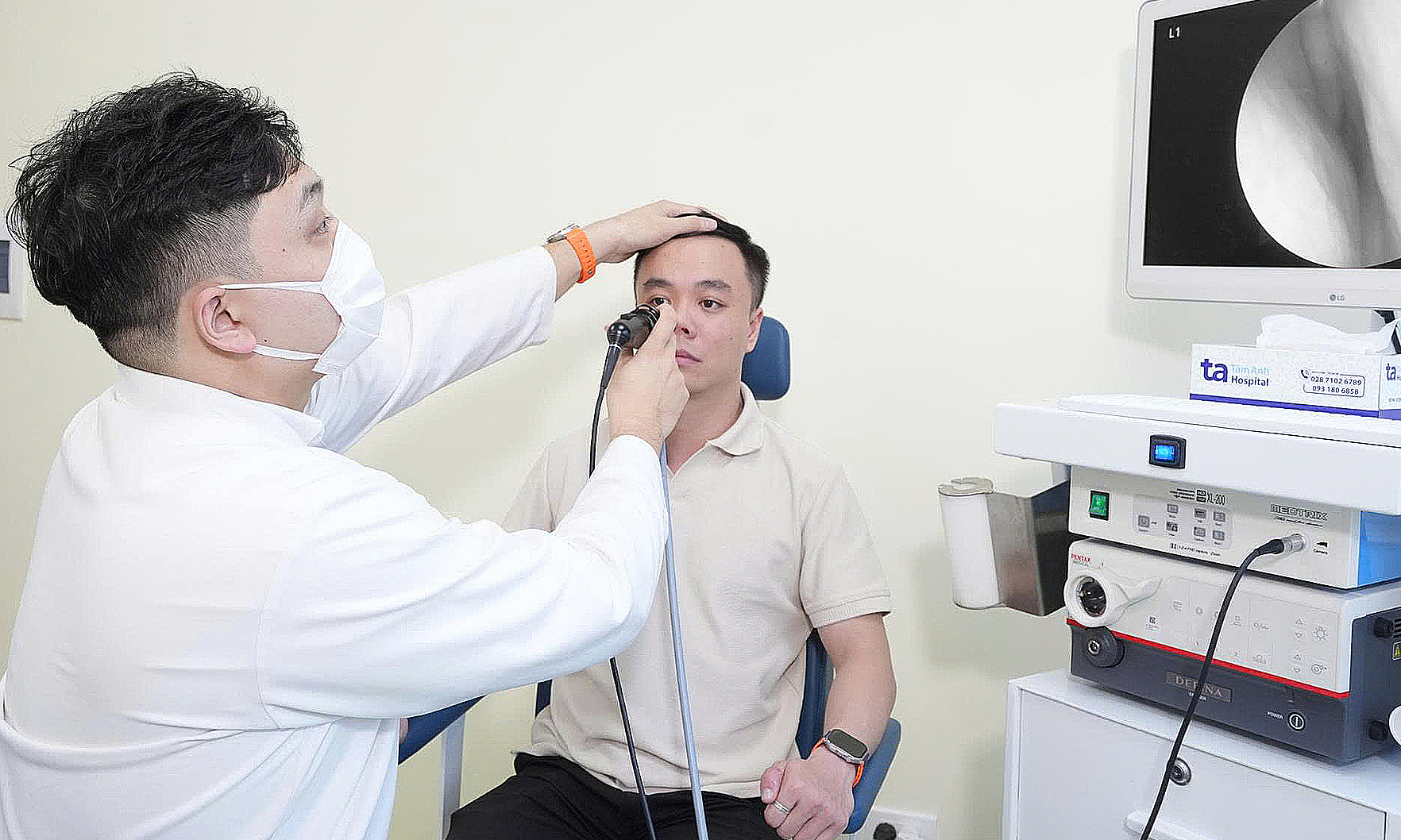
Myopia occurs when the eyeball's axis is longer than normal, causing images to focus in front of the retina instead of directly on it. People with myopia often strain their eyes more when looking at distant objects, leading to eye fatigue, dry eyes, and reduced vision. Excessive use of electronic devices, frequent exposure to blue light, reading too close, and working in poorly lit environments can damage the retina and lens, leading to a rapid increase in myopia.
Doctor Hoang Quyet Tien, from the Medical Information Center at Tam Anh General Hospital, TP HCM, suggests common, nutrient-rich foods to help protect the vision of individuals with myopia.
Broccoli is rich in vitamin C, sulforaphane, lutein, and zeaxanthin, which can protect retinal cells from blue light. This vegetable also contains beta-carotene, a precursor that the body converts into vitamin A, supporting improved vision. Broccophane extract from broccoli enhances thioredoxin, a small protein that acts as a reducing antioxidant, protecting and nourishing the retina and lens, thus safeguarding vision and limiting myopia progression.
Adults can consume 60-120 g of broccoli per serving, three to five times per week. It is best prepared by steaming, quick boiling, or light stir-frying to retain maximum nutrients.
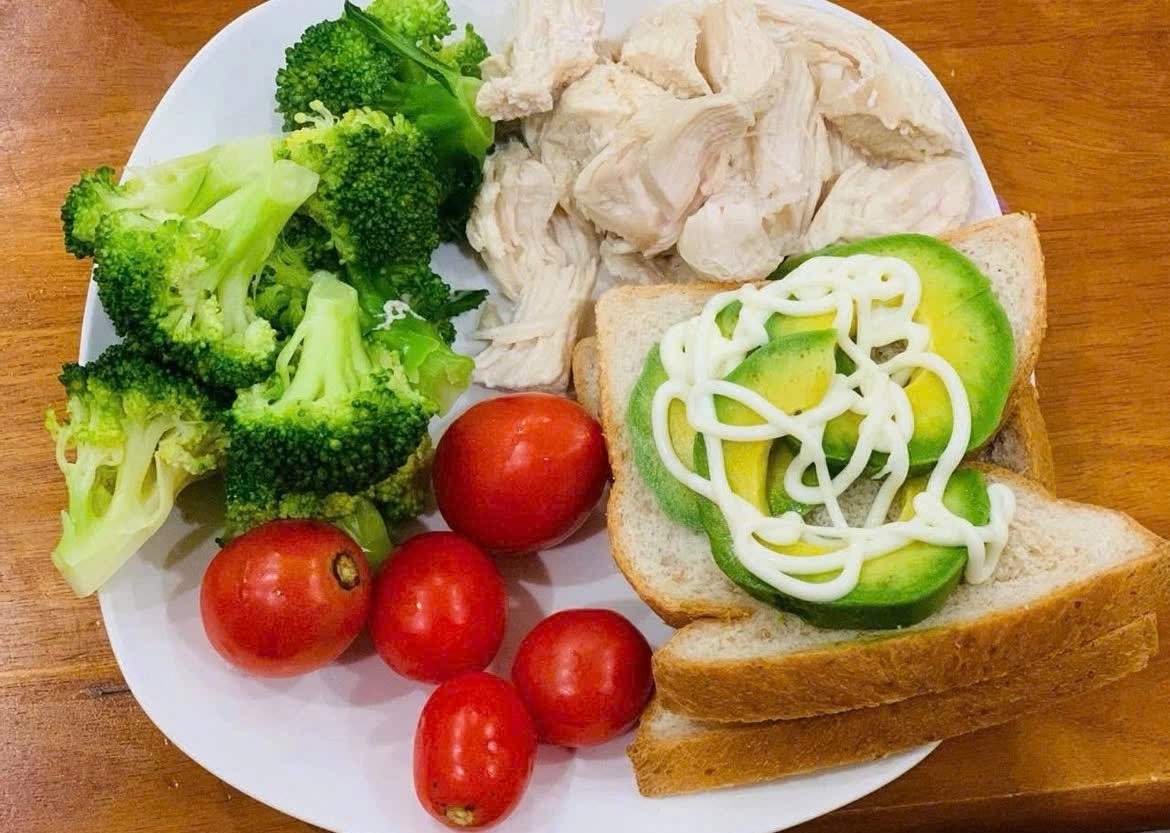 |
Broccoli is rich in nutrients beneficial for eye health. Photo: Dinh Dieu |
Broccoli is rich in nutrients beneficial for eye health. Photo: Dinh Dieu
Dark leafy greens such as kale, collard greens, and spinach are packed with vitamins A, C, E, lutein, and zeaxanthin. These two pigments concentrate in the macula, the area responsible for image sharpness. These nutrients protect the retina, reduce the harmful effects of blue light, and help limit myopia progression. Incorporate a variety of dark leafy greens into your daily diet, preparing them as smoothies, soups, or stir-fries for nutrient-rich meals beneficial for eye health.
Fatty fish like salmon, herring, and mackerel provide abundant EPA and DHA. These are two vital components of retinal cells, maintaining the structure of visual cells and reducing dry and tired eyes in people with myopia.
Eggs, especially the yolk, contain lutein and zeaxanthin, which protect the retina from blue light damage. Eggs also contain vitamin A, which contributes to the formation of visual pigments, helping eyes adapt to changes in light. Consuming one to two eggs daily can reduce eye fatigue and maintain stable vision for individuals with myopia.
Legumes such as soybeans, mung beans, red beans, peas, and peanuts help improve vision and reduce eye strain and dryness. This is due to their richness in zinc, protein, fiber, and antioxidants. Incorporate a variety of legumes into your daily diet to maintain overall eye health and limit myopia progression.
Orange and yellow fruits and vegetables like carrots, sweet potatoes, corn, and papaya contain beta-carotene (a precursor to vitamin A), which helps maintain moisture on the eye's surface and protects the cornea from damage. They also contain high levels of vitamin C and antioxidants that shield the eyes from the harmful effects of UV rays and blue light, combating the aging of the visual organs.
Doctor Tien states that alongside a nutritious diet, individuals with myopia need to maintain a healthy lifestyle, increase outdoor activities, and allow their eyes adequate rest. When working too long in front of a computer screen, apply the 20-20-20 rule (after 20 minutes of work, look at an object 20 feet, or 6 meters, away for 20 seconds) to protect your eyes. Maintain regular eye exams every 6-12 months for monitoring and timely intervention.
Dinh Dieu
| Readers can send questions about ophthalmic diseases here for doctors to answer |