Spiders are found everywhere, especially in damp, cool, and dark areas. They weave webs in many places such as ceilings, especially in tiled-roof houses, warehouses, garages, stair corners, under beds, and on trees. There are many different types of spiders, including both harmless and venomous ones. However, a spider bite itself does not cause tetanus.
Tetanus bacteria are ubiquitous in the natural environment and can survive as spores for many years. This pathogen enters the human body through open wounds, even minor ones like scratches, stepping on nails, splinters, or thorns. Therefore, a spider bite can serve as an entry point for tetanus bacteria. In fact, according to US Centers for Disease Control and Prevention (CDC) statistical data, between 1998 and 2000, the United States recorded one patient who contracted tetanus from a spider bite wound.
To ensure safety, after a spider bite, you should clean the wound thoroughly with soap and water. Afterwards, visit the nearest vaccination center for a doctor to assess the wound's condition and advise on an appropriate vaccination schedule.
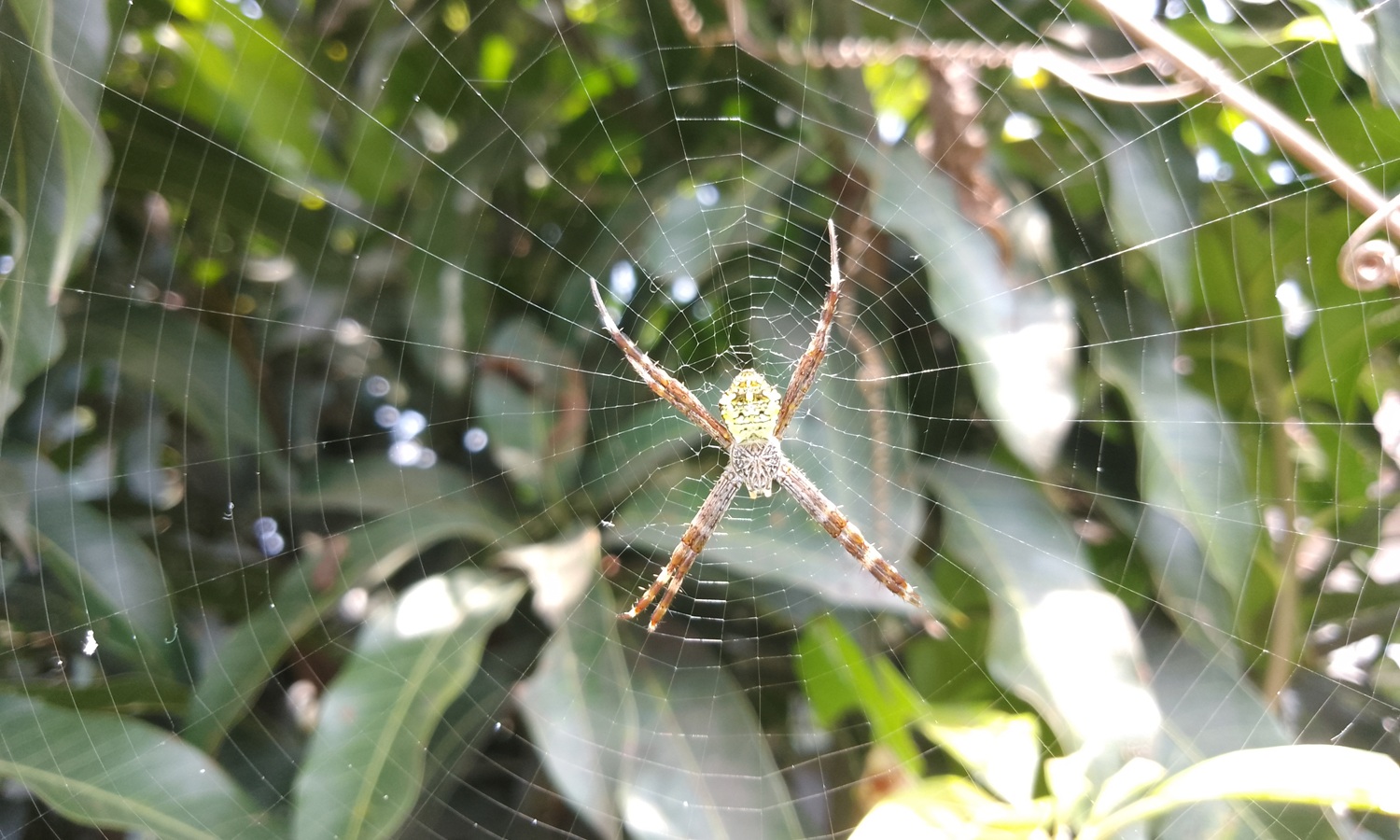 |
Individuals bitten by spiders should clean the wound with clean water and soap, and get a tetanus shot to prevent the disease. *Photo: Vecteezy* |
Tetanus is characterized by muscle stiffness, often starting with lockjaw, making it difficult to open the mouth, chew, and swallow. This stiffness progresses from the jaw muscles to the pharyngeal region, then to the chest, back, abdominal muscles, and limbs. Patients with severe tetanus face a risk of death due to respiratory failure, autonomic nervous system dysfunction, and severe pneumonia.
Currently, tetanus is preventable through vaccines, available as single tetanus shots or combination vaccines. These include: 6-in-1; 5-in-1; 4-in-1 for diphtheria, pertussis, tetanus, and polio; 3-in-1 for diphtheria, pertussis, and tetanus; and 2-in-1 for diphtheria and tetanus.
Adults who do not recall their vaccination history need three doses, followed by a booster shot after 10 years, or when sustaining a deep, contaminated, or large wound.
Additionally, children should complete their basic vaccination schedule before two years of age, receive a booster between 4-6 years old, and then another booster every 10 years or in the event of a high-risk wound. Pregnant women should get vaccinated against tetanus to protect themselves during childbirth and to transfer passive antibodies to their babies.
Furthermore, to prevent bites from spiders and other insects while gardening or working outdoors, you should wear long clothing, gloves, and boots. You should also seek hospital care if the wound shows signs of necrosis, severe swelling and pain, fever, headache, nausea, or vomiting.
Doctor Nguyen Nhu Dien
Medical Manager, VNVC Vaccination System
Readers can submit questions for vaccine consultation to be answered by a doctor here.