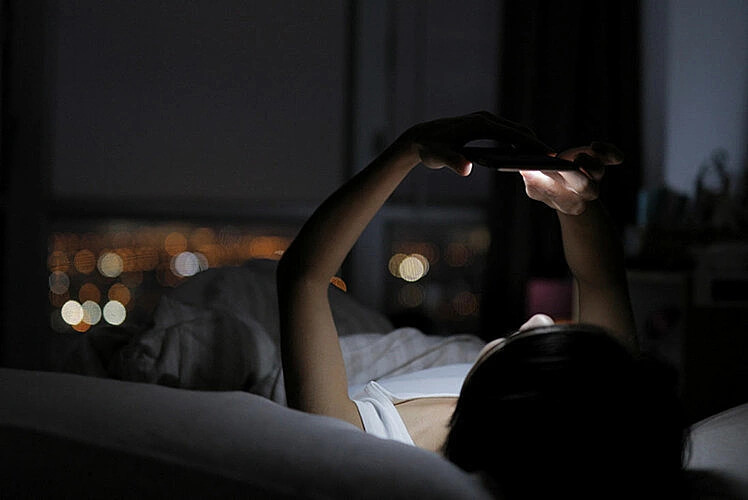
There is no scientific evidence suggesting that showering in the morning is superior to showering in the evening, or vice versa. Each time offers unique advantages, and the optimal choice depends on an individual's daily routine, job nature, skin type, health status, and underlying medical conditions.
Evening showers provide two distinct benefits. After a day of work, skin and hair accumulate sweat, dirt, bacteria, and allergens, especially in hot, humid, and dusty cities like TP HCM. Showering before bed helps cleanse the body, reduces transferring dirt to bedding, alleviates itching, and improves symptoms for those with atopic dermatitis, allergic rhinitis, or asthma.
Furthermore, a warm shower one to two hours before sleep aids better heat dissipation. This process allows body temperature to drop, a crucial signal that helps facilitate sleep. Some studies indicate that a warm shower at approximately 40 degrees Celsius for 10 minutes can shorten the time it takes to fall asleep by almost 10 minutes and enhance sleep quality.
Morning showers also provide several advantages. Cool or warm water helps the body feel alert, reducing grogginess after waking, while also cleansing sweat and sebum produced overnight. This routine suits individuals with oily, acne-prone skin or those who regularly exercise in the morning.
More important than the timing of a shower is the correct showering method. Use warm water, approximately 37-40 degrees Celsius, and avoid excessively hot water, which can strip the skin's protective oil layer, leading to dryness and itching. Showers should last only 5-10 minutes. Afterwards, pat dry and apply moisturizer if your skin is dry or if you frequently stay in air-conditioned rooms. If showering in the evening, dry your hair before bed.
Certain individuals, particularly older adults or those with hypertension and coronary artery disease, need to exercise caution. Avoid showering immediately after consuming alcohol, when overly hungry, right after a heavy meal, or following strenuous exercise. Wait until the body stabilizes and heart rate returns to normal before showering.
Similarly, avoid sudden cold water exposure, showering too late at night, or immediately after waking up early in the morning. Cold water can cause vasoconstriction, leading to sudden increases in blood pressure and heart rate. Early morning is naturally a time when blood pressure rises according to circadian rhythm, increasing the risk of cardiovascular events.
For healthy individuals, there is no evidence that evening showers increase stroke risk. The real concerns lie with accompanying factors such as showering with excessively cold water, showering after drinking alcohol, showering when the body is overly fatigued, or in individuals with uncontrolled cardiovascular disease or hypertension.
 |
AI-generated illustration |
For your specific case, showering in the evening after work is perfectly suitable. You should use warm water, ideally one to two hours before bed, and dry your hair afterwards. If you feel sticky in the morning or exercise, you can take a quick warm rinse, but it is not necessary to use a lot of body wash to avoid drying out your skin.
Doctor Hoang Tien Trong Nghia
Head of Neurology Department, Military Hospital 175