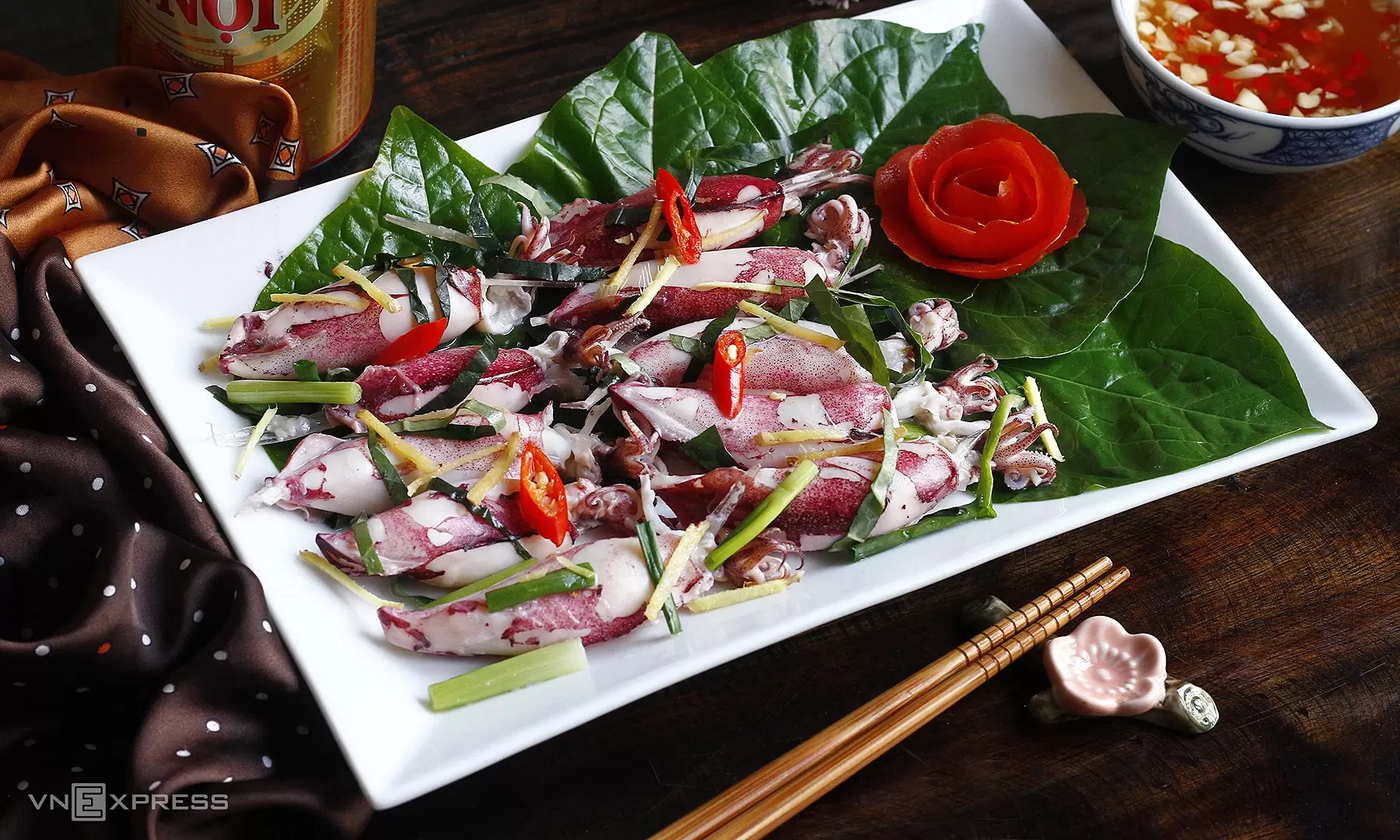
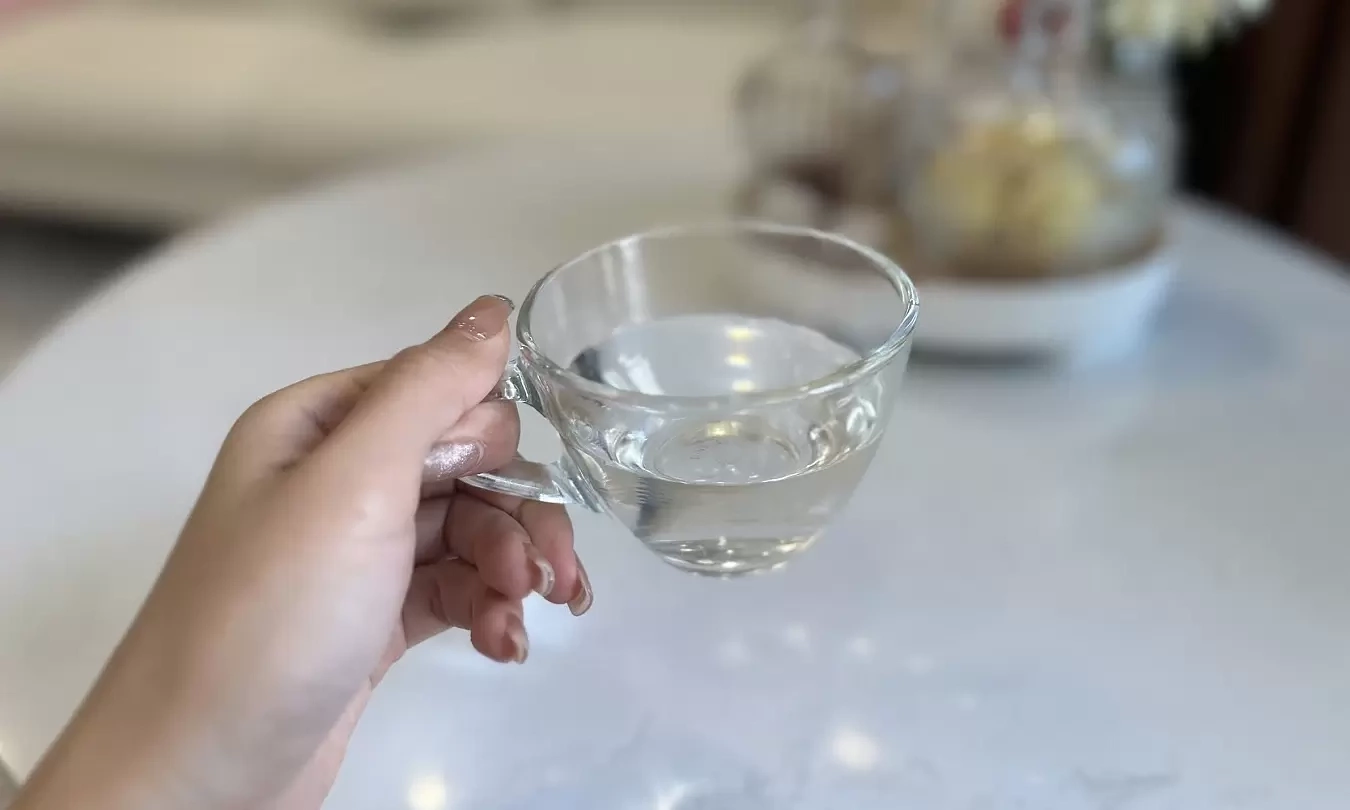
Before an HPV vaccine or any other vaccine, individuals can eat and drink normally. They should only avoid foods that cause allergies or contain caffeine, such as tea, coffee, alcohol, or beer, as these can increase heart rate, blood pressure, or cause similar post-vaccination reactions, making monitoring difficult.
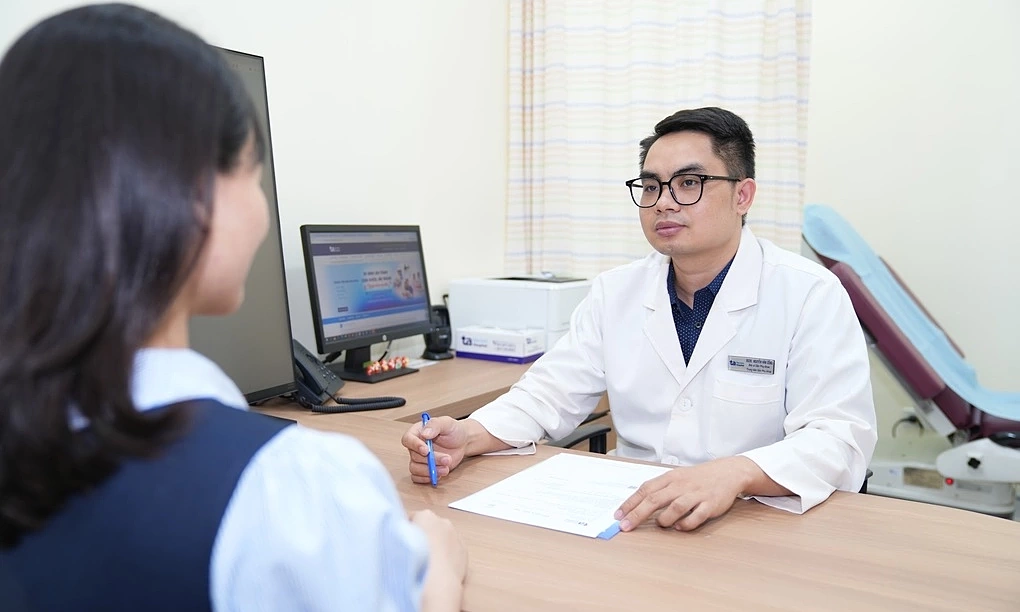
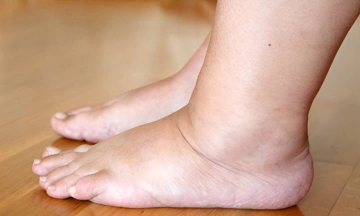
People should not fast before vaccination. A hungry body is prone to low blood sugar, leading to fatigue, dizziness, lightheadedness, and fainting. Some individuals also experience needle phobia or feel stressed, anxious, or nervous when seeing a needle. Therefore, getting vaccinated on an empty stomach increases the risk of low blood sugar and fainting. You should have a light meal before your shot to ensure a safer and smoother vaccination process.
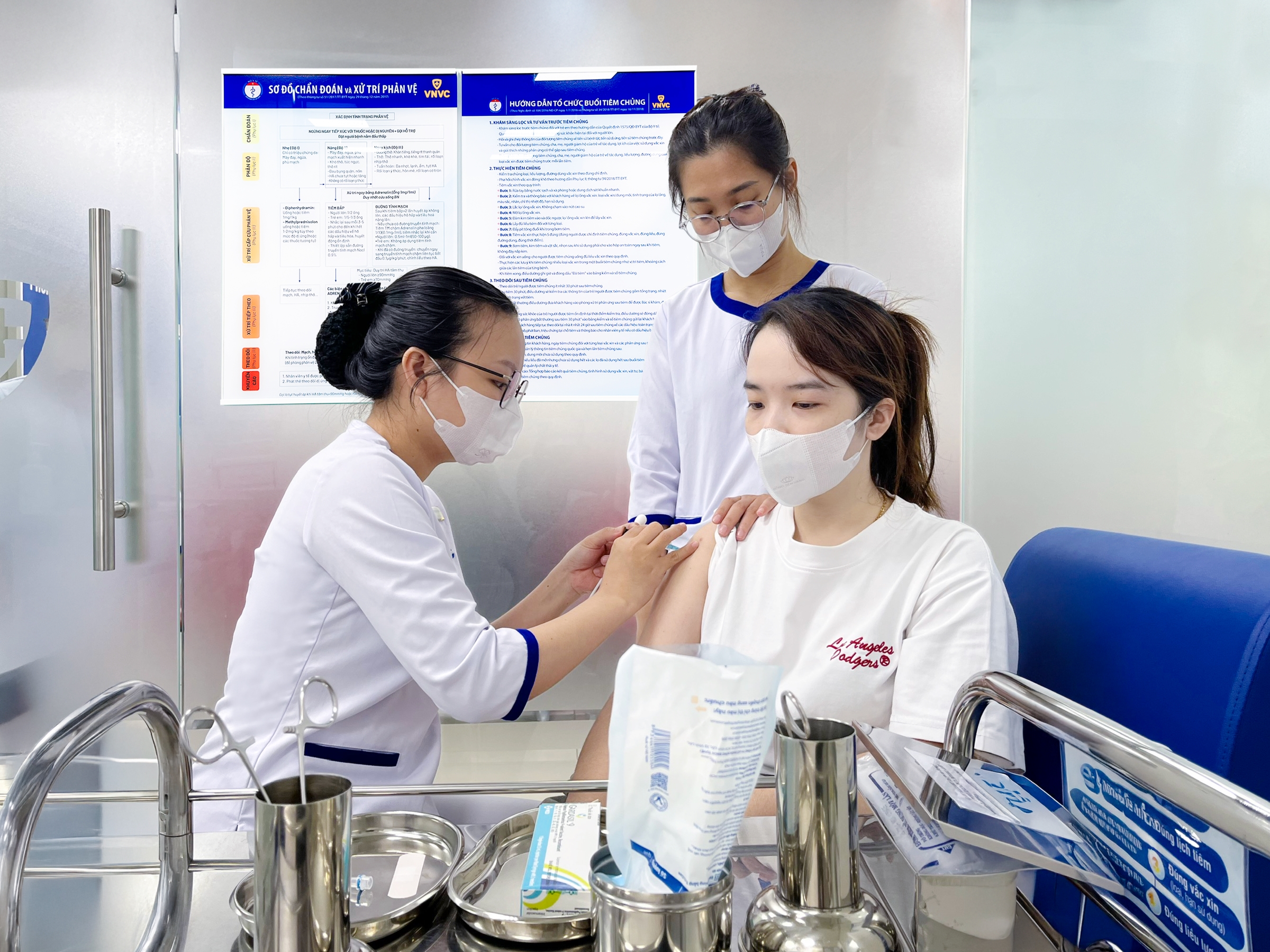 |
Residents receive the Gardasil 9 vaccine at VNVC Vaccination Center, District 9, to prevent diseases caused by the HPV virus. *Photo: Dieu Thuan* |
The human papillomavirus (HPV) comprises over 200 types. Among these, types 6 and 11 cause genital warts, while 15 high-risk types can lead to pre-cancers and cancers, including: cervical, oropharyngeal, vulvar, vaginal, and penile cancers. The virus primarily spreads through sexual contact and skin-to-skin contact. Research indicates that most infections occur within the first year of sexual activity, with the risk increasing with multiple partners. The lifetime infection rate for HPV is 85% in women and 91% in men.
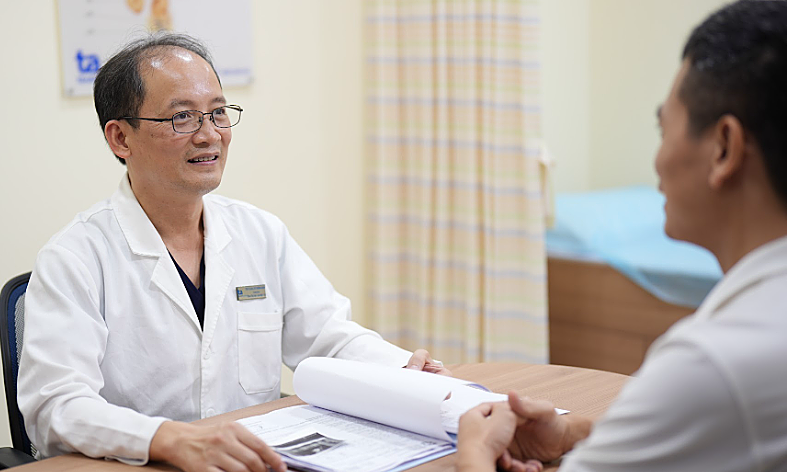
HPV vaccination is over 90% effective in preventing the disease. Currently, two types of HPV vaccines are available in Vietnam, including Gardasil 9. This vaccine protects against nine types: 6, 11, 16, 18, 31, 33, 45, 52, and 58, and is administered to both males and females aged 9-45. Children aged 9 to under 15 receive two doses, 6-12 months apart; individuals aged 15-45 receive three doses, 6 months apart.
While the vaccine does not treat genital warts or cancer, individuals already infected with one type should still get vaccinated to prevent other types and reduce the risk of reinfection. Those who previously received a 4-type vaccine may be advised by their doctor to get Gardasil 9 to broaden their protection.
Even after the body clears HPV, reinfection is possible because post-infection antibodies are not durable. Therefore, individuals previously infected with one or more types should still receive the vaccine to enhance their prevention coverage.
In addition to vaccination, everyone should practice safe sexual contact, avoid sharing personal items, refrain from smoking, and limit alcohol consumption. If HPV infection is detected, follow a doctor's guidance for treatment to prevent complications.
Doctor Danh Thi My Hong
Medical Manager, VNVC Vaccination System