Hong vividly remembers a time she measured her blood pressure at home, finding it to be 180 mmHg – exceptionally high for someone in her early 30s. A medical examination confirmed chronic kidney failure stage 2. Despite adhering to treatment, her condition progressed through stage 3, 4, and eventually reached end-stage kidney failure.
At that time, doctors recommended either regular dialysis or a kidney transplant. Hong underwent a successful kidney transplant thanks to a donation from her father. For the past 10 years, her life has involved taking immunosuppressants to prevent her body from rejecting the transplanted organ. Consequently, her immune system is weakened, making her highly susceptible to infectious diseases from external pathogens.
"I understand I must take anti-rejection medication for life, so I always pay careful attention to my health, including dietary restrictions, practicing yoga, and maintaining a positive mindset," Hong said.
 |
Meditation and yoga are ways for organ transplant recipients, including kidney recipients, to maintain better mental and physical health. Photo: Vecteezy |
Now 44 years old, 10 years post-transplant, Hong remains youthful and vibrant. She chose an office job suited to her physical condition. Due to concerns about her health, she has not married and lives with her elderly parents, who are over 70.
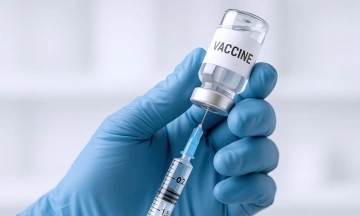
After consulting her doctor, Hong visited the VNVC Nha Be Vaccination Center last weekend morning to receive a shingles vaccine. She had previously been vaccinated against flu, pneumococcal disease, and hepatitis B.
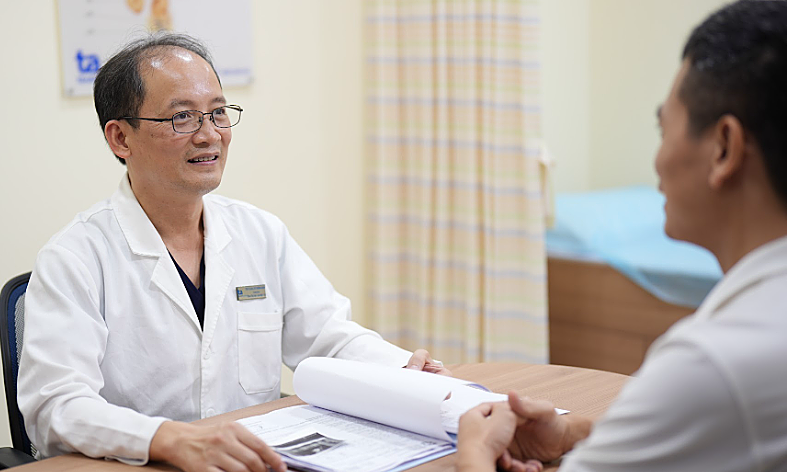
Doctor Tran Huynh Tan, Medical Manager at VNVC Vaccination System, stated that kidney transplant recipients and organ transplant recipients in general must take lifelong immunosuppressants to counter the risk of organ rejection. This treatment severely weakens their immune systems, rendering them unable to fight off pathogens and making them susceptible to infectious diseases and complications.
A study of over 99,000 individuals in Taiwan revealed that kidney transplant recipients face about 8,5 times higher risk of developing shingles and over 15 times higher risk of complications compared to individuals without kidney disease. This risk is also elevated in patients with chronic kidney failure undergoing peritoneal dialysis or hemodialysis.
Doctor Tan advises organ transplant recipients not to wait for an outbreak or for a family member to get sick before considering prevention. Proactive vaccination is an effective measure to reduce disease risk, limit severe complications, hospitalizations, and help protect the function of the transplanted organ. However, vaccination requires professional consultation and a doctor's prescription, based on the patient's current health status, time since transplant, and medication regimen.
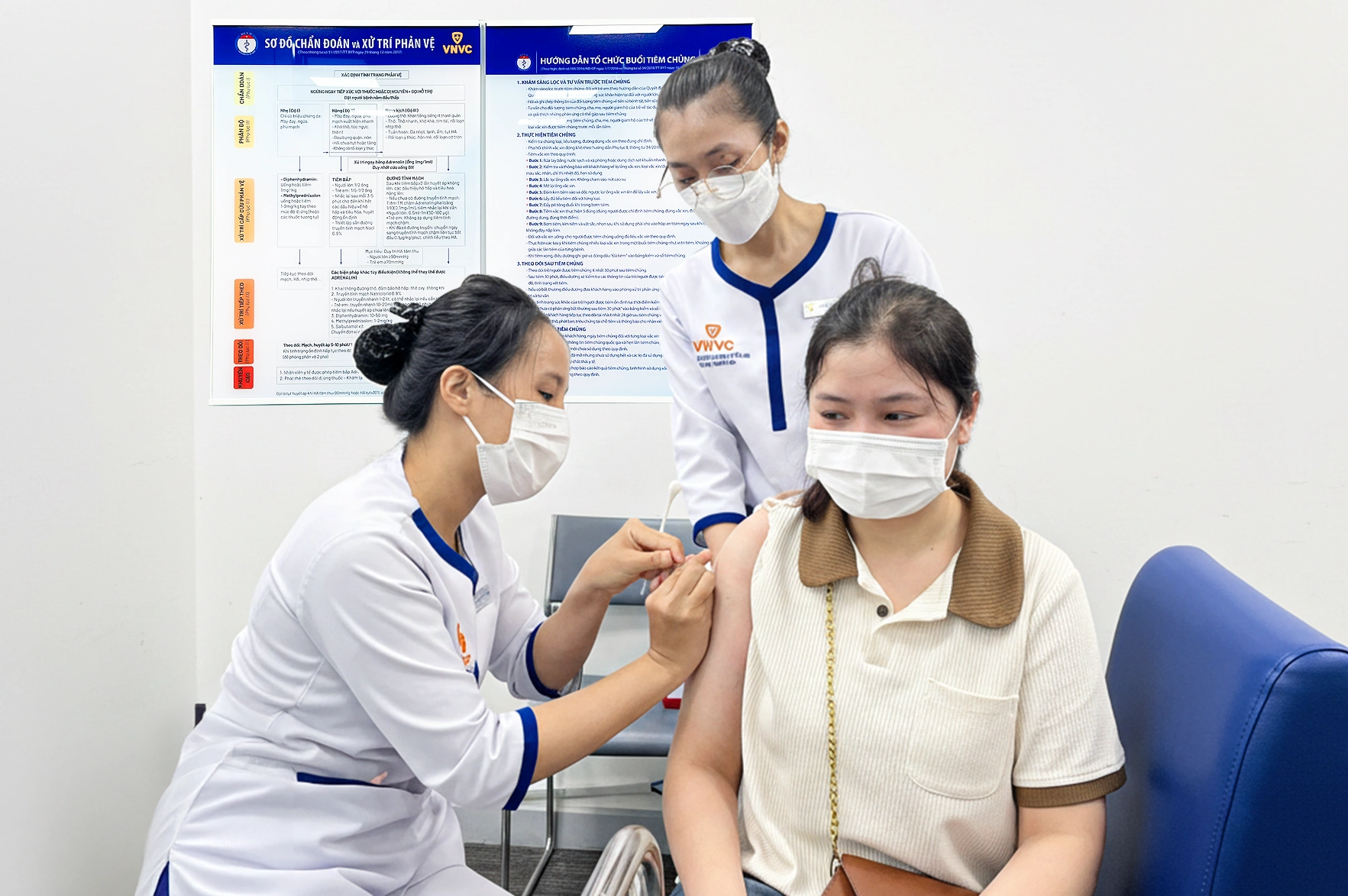 |
People receive vaccines at VNVC for proactive disease prevention. Photo: Moc Thao |
Currently, in Vietnam, the shingles vaccine is indicated for individuals aged 50 and above, and for those aged 18 and above with chronic conditions, weakened immune systems, or who are currently on immunosuppressants and at high risk of the disease. The vaccination schedule consists of two doses, administered 1-2 months apart depending on age and infection risk.
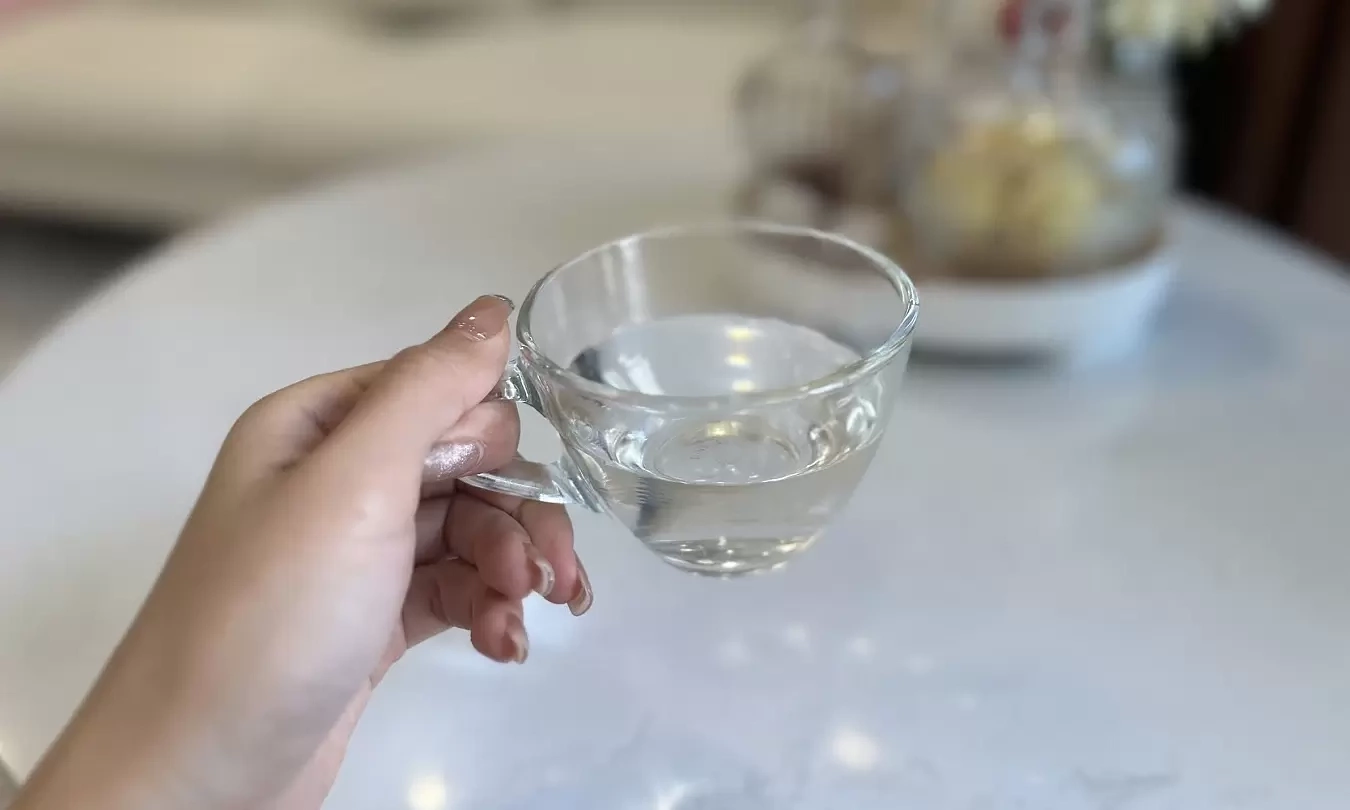
Beyond full vaccination, kidney transplant recipients must maintain timely intake of anti-rejection medication, attend regular follow-up appointments, and wear a mask in crowded places or when in contact with individuals exhibiting respiratory symptoms. They should also practice frequent handwashing, eat cooked food, drink boiled water, limit raw foods, and seek medical attention immediately if symptoms like fever, diarrhea, a persistent cough, or suspected infection arise.
Hoang Duong