Answer:
Myocarditis is inflammation of the heart muscle caused by various factors, most commonly viral infections such as the flu virus, Covid-19, Coxsackie virus, or adenovirus. Bacteria, parasites, autoimmune diseases, or reactions to certain medications and toxins can also trigger the condition.
This illness can affect individuals of all ages, but it is more prevalent in young adults, particularly those between 20 and 40 years old. The severity varies widely, from mild cases that resolve spontaneously to severe forms. Myocarditis can progress rapidly, leading to heart failure, dangerous cardiac arrhythmias, cardiogenic shock, and even death.
For cases of myocarditis caused by the flu virus, if diagnosed early, treated correctly, and heart function fully recovers, most patients have a good prognosis and can return to normal life and work.
Myocarditis can recur, though it is not common. The majority of patients with viral myocarditis experience it only once and recover completely. However, the risk of recurrence may be higher in individuals with autoimmune myocarditis, giant cell myocarditis, myocarditis from specific causes, or those who contract a new viral infection that damages the heart muscle.
After recovery, patients should attend scheduled follow-up appointments. These visits allow doctors to assess the recovery process and detect any abnormalities early.
 |
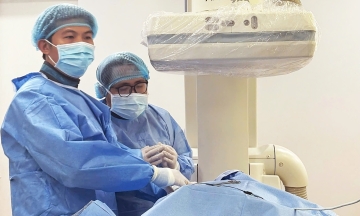
A doctor advises a patient on how to prevent myocarditis. Illustration: Tam Anh General Hospital |
Whether myocarditis leaves sequelae depends on the extent of heart muscle damage during the acute phase. If the condition is detected early and treated effectively, most patients will achieve full recovery without lasting complications.
Conversely, some cases of severe heart muscle damage may result in myocardial scarring or reduced heart contractility. These long-term sequelae increase the risk of developing cardiac arrhythmias, heart failure, or dilated cardiomyopathy. Regular follow-up after hospital discharge is crucial, even if the patient no longer experiences symptoms.
After myocarditis treatment, patients should adopt several preventive measures:
Adhere to treatment guidelines and attend scheduled follow-up appointments for doctors to assess and monitor heart function.
Ensure adequate rest and avoid strenuous activity for at least 3-6 months, or as directed by a doctor. Patients should only engage in sports or heavy labor after their heart has been assessed as fully recovered.
Maintain a healthy diet rich in green vegetables, fruits, and whole grains, while limiting foods high in salt, sugar, and saturated fats.
Refrain from smoking and avoid excessive alcohol consumption and stimulants.
Get an annual flu vaccine and other recommended vaccines to reduce the risk of viral infections that could affect the heart.
When experiencing a fever or acute infection, patients should get ample rest and avoid high-intensity exercise until fully recovered.
Patients should seek medical attention if they experience symptoms suggestive of recurrent myocarditis, such as high fever accompanied by chest pain, shortness of breath, palpitations, rapid or irregular heartbeat, fainting, leg swelling, or prolonged fatigue. These signs indicate that the heart may not have fully recovered or that complications have arisen, requiring prompt evaluation.
Myocarditis caused by the flu virus, if treated promptly, generally carries a good prognosis with a low risk of recurrence. Patients must adhere to follow-up schedules, avoid strenuous activity during recovery, and maintain a healthy lifestyle.
Master of Science, Doctor Nguyen Thi Nhung
Department of Cardiology, Cardiovascular Center
Tam Anh General Hospital Ho Chi Minh City