 |
Apples
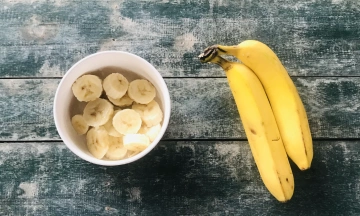
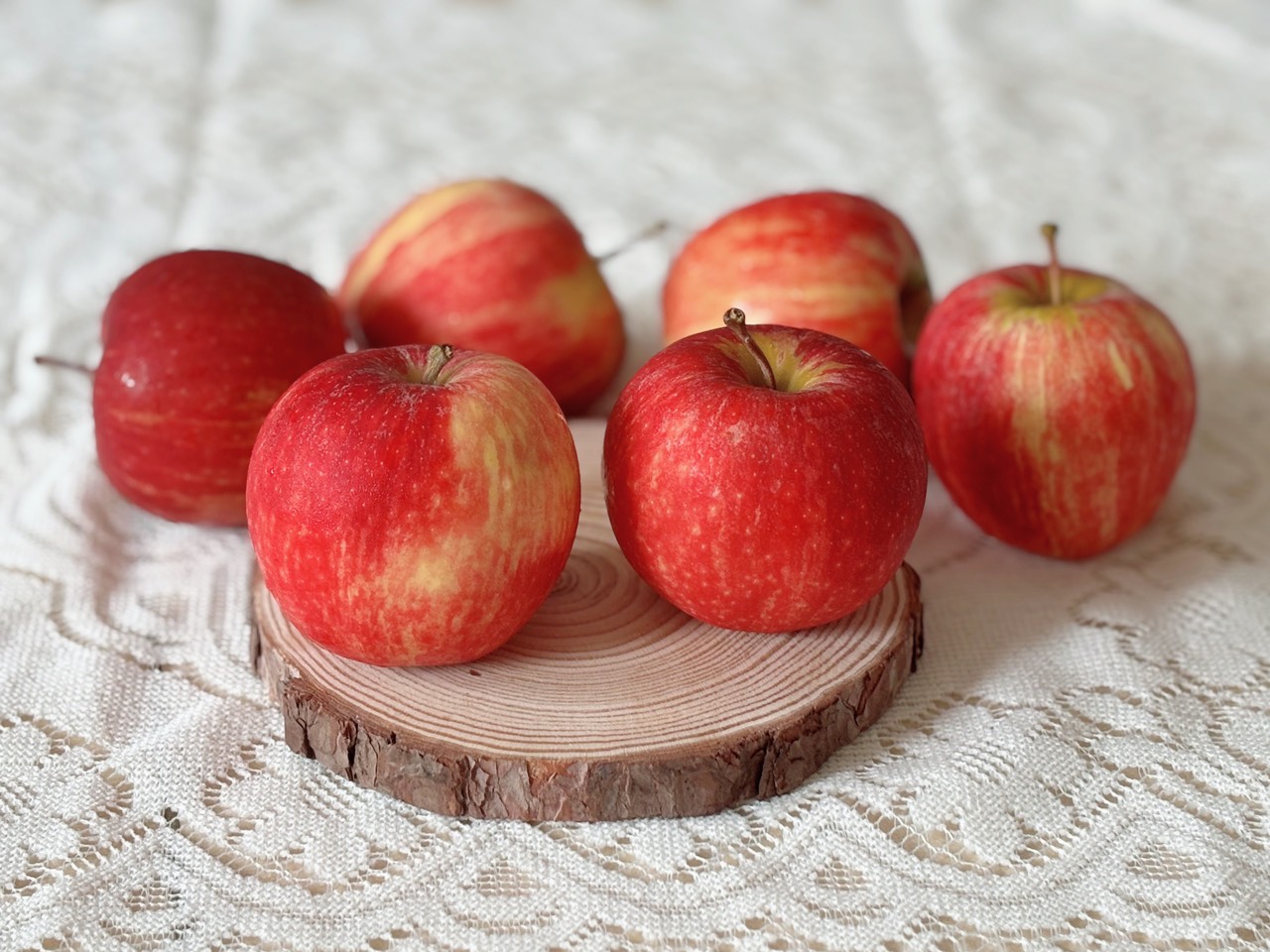
Apples are a good source of soluble fiber, particularly pectin, which helps lower low-density lipoprotein (LDL) cholesterol by limiting its absorption in the gut, according to Verywell Health. Apples also contain polyphenols, a group of antioxidants that can help reduce inflammation and protect blood vessel walls.
Consuming apples with their skin, after thorough washing, maximizes the intake of fiber and antioxidants.
 |
Oranges
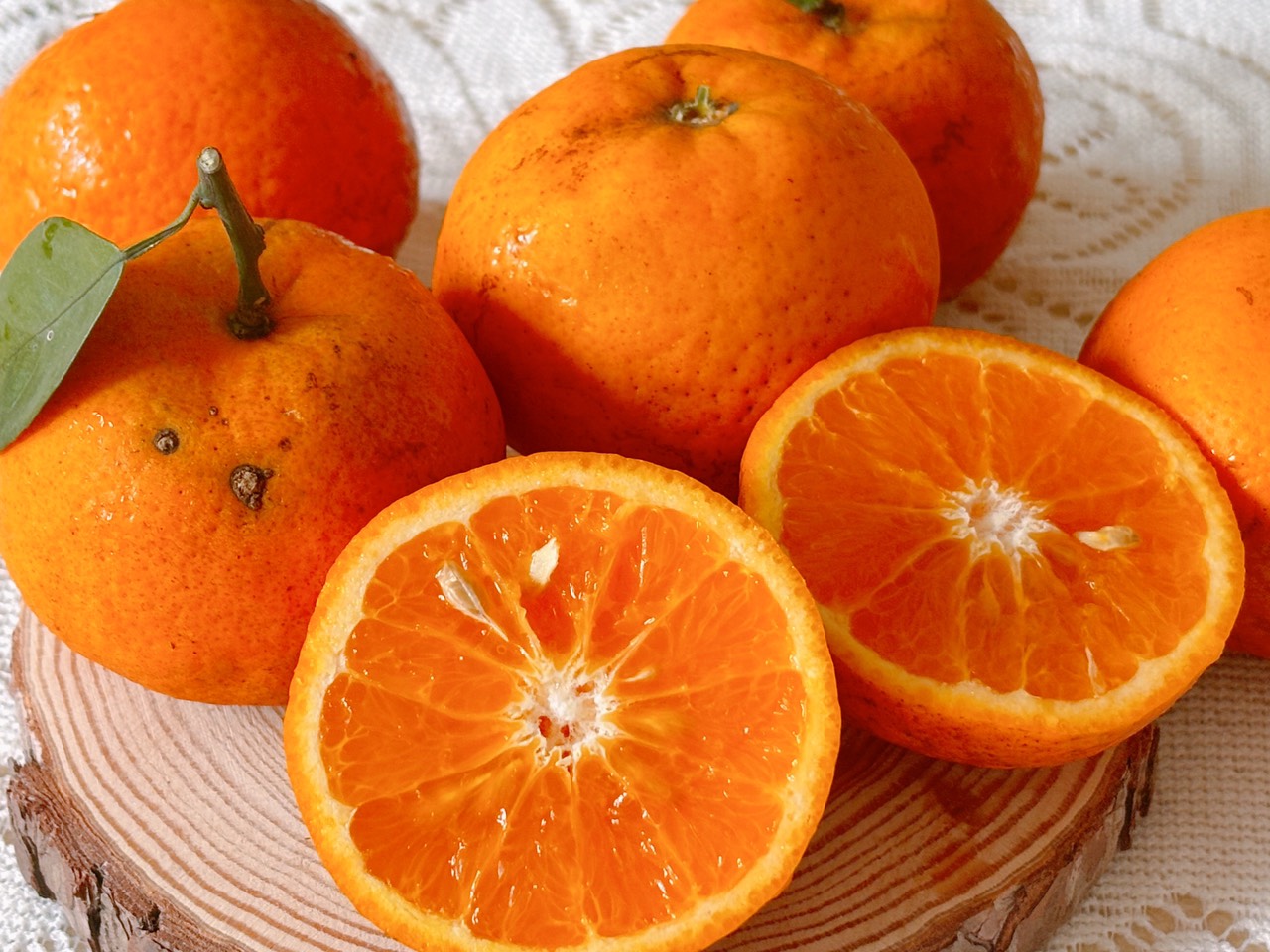
Oranges and other citrus fruits, such as mandarins and grapefruits, are rich in vitamin C, flavonoids, and potassium, as reported by Eatingwell. Flavonoids can improve blood vessel function, while potassium helps balance sodium levels in the body, contributing to stable blood pressure.
Oranges are also hydrating and low in calories, making them a suitable addition to a daily diet.
 |
Bananas
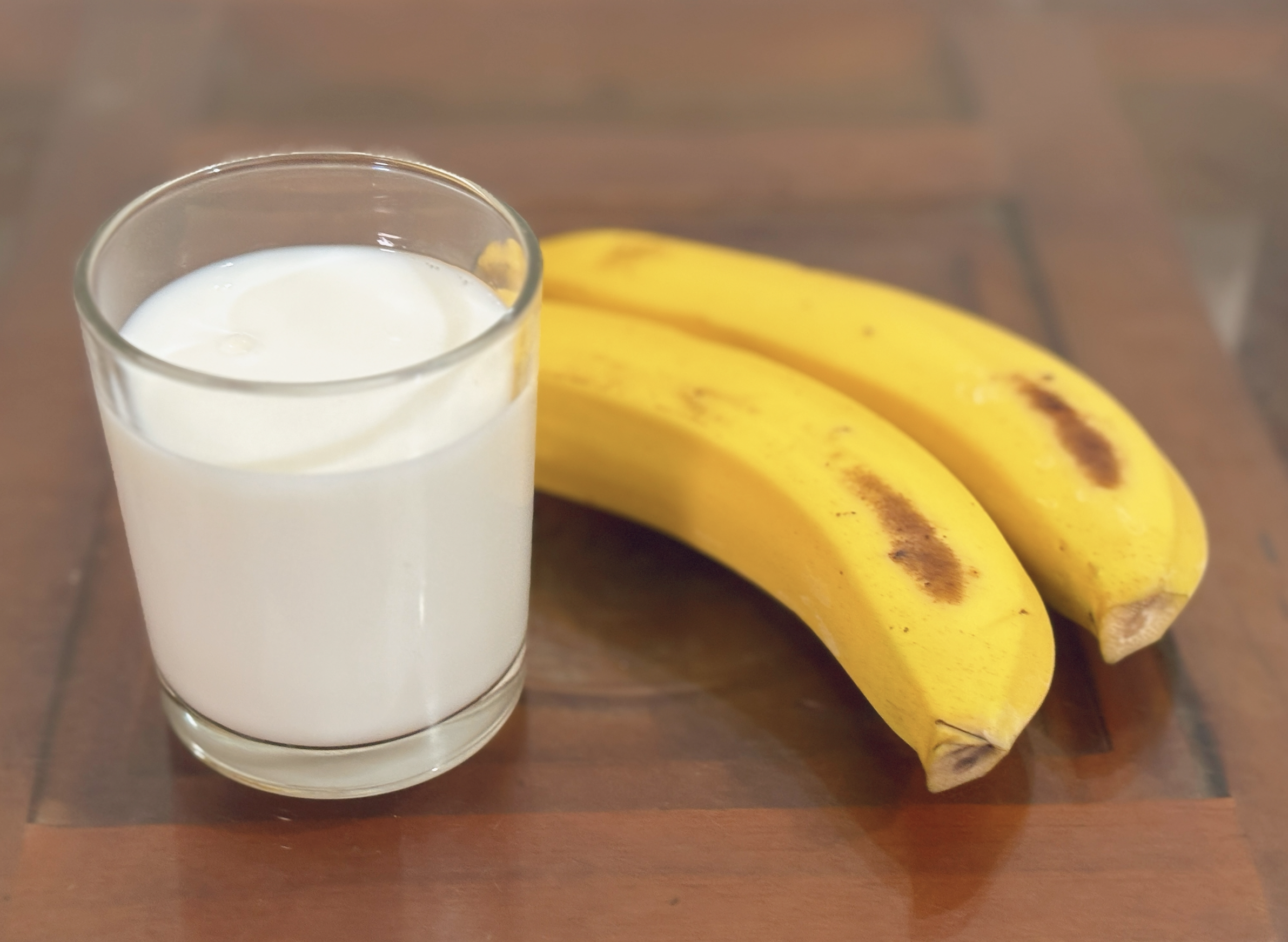
Bananas are a rich natural source of potassium, according to Healthline. This mineral plays a crucial role in regulating blood pressure by mitigating sodium's effects and helping blood vessels relax. Bananas also provide fiber and natural carbohydrates, making them an ideal choice for breakfast or a snack.
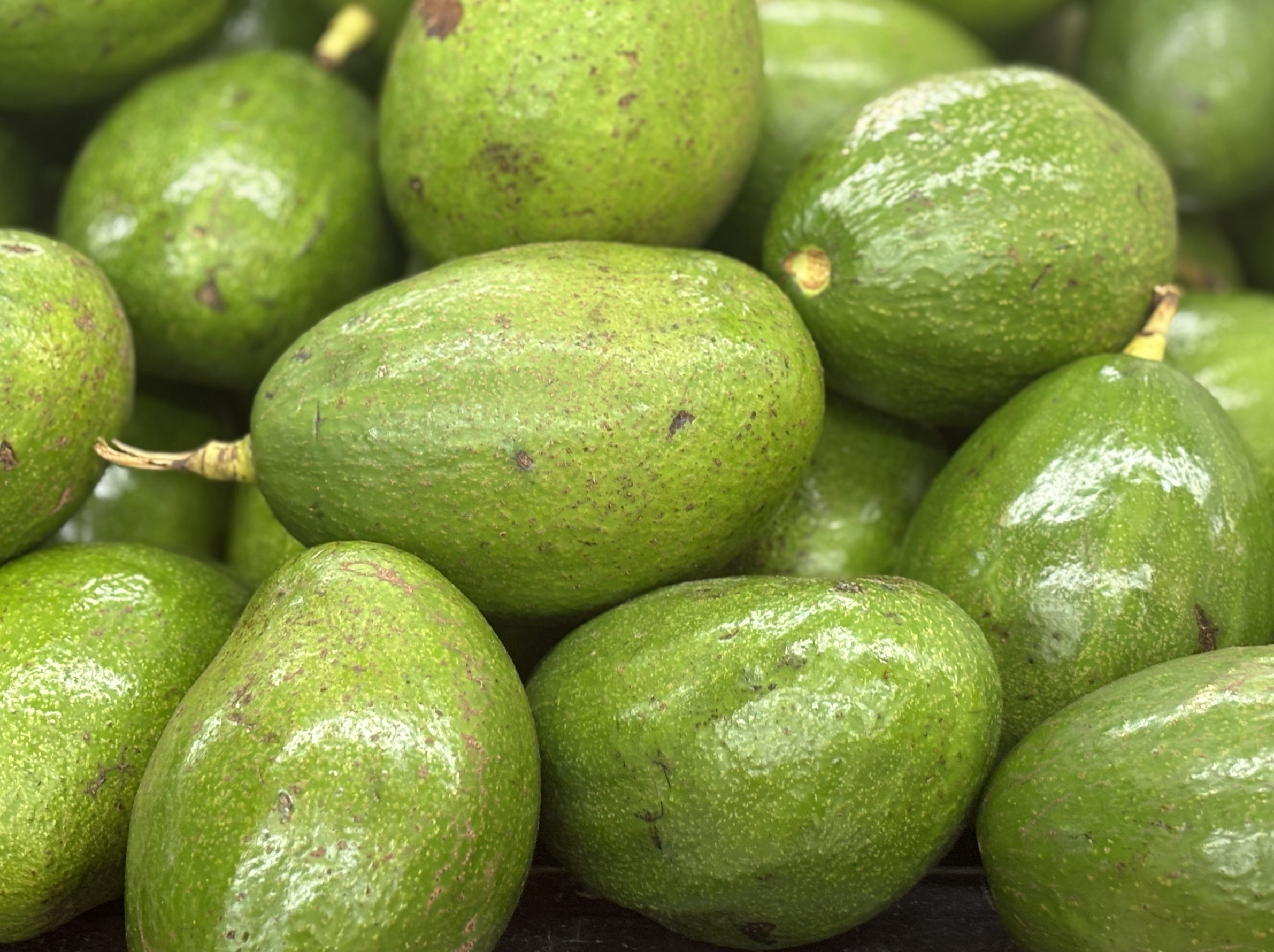 |
Avocados
Avocados are rich in monounsaturated fats, a beneficial type of fat that improves blood cholesterol when it replaces saturated fats in the diet. This fruit also contains potassium and fiber, two nutrients beneficial for heart health.
Given avocados' relatively high energy content, it is advisable to consume only about one-quarter to one-half of a fruit per serving, depending on individual energy needs.
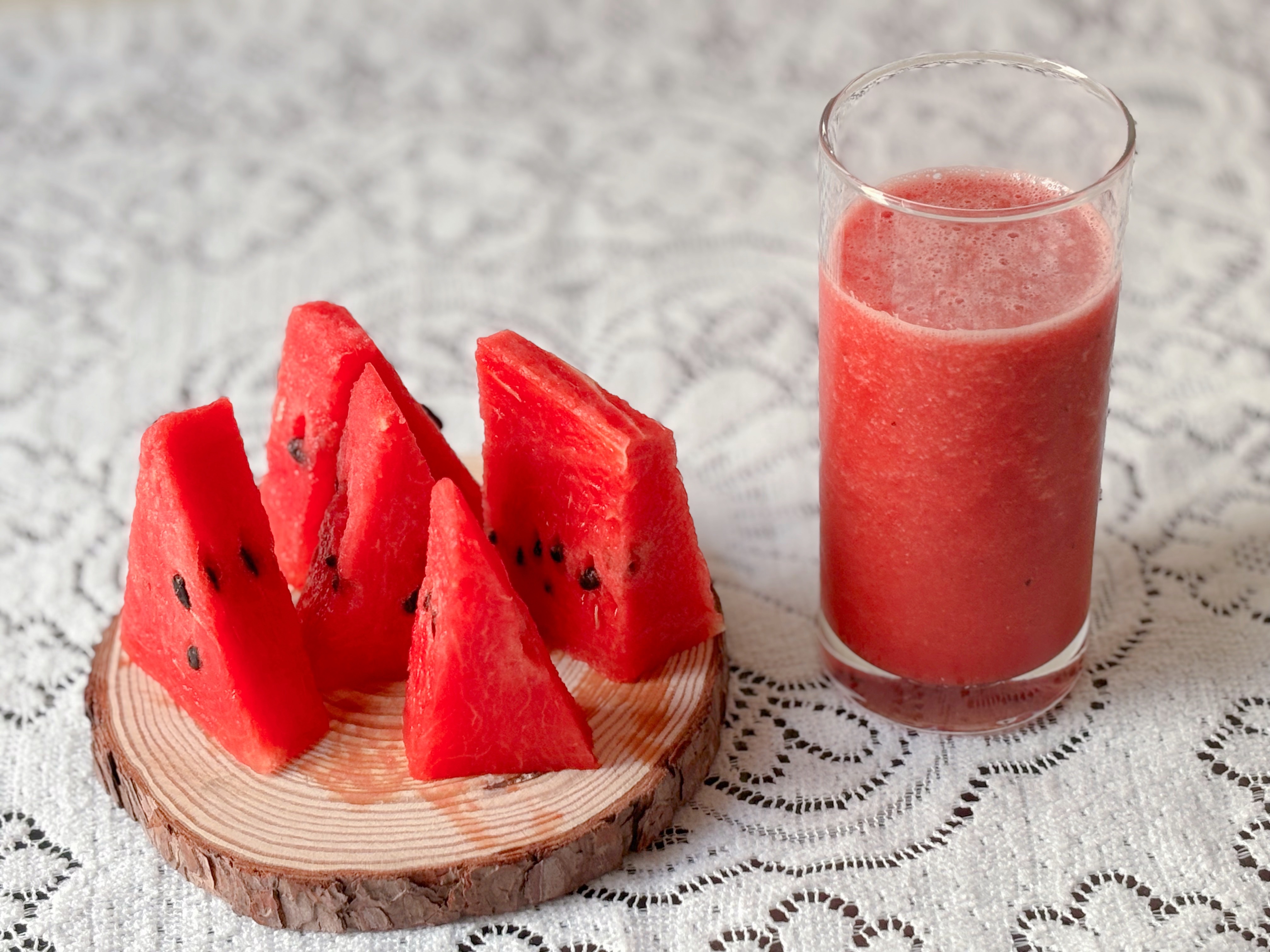 |
Watermelon
Lycopene, an antioxidant, gives watermelon its distinctive red color. Research suggests lycopene may help reduce the risk of cardiovascular disease by decreasing oxidative stress and protecting blood vessel walls. Watermelon is also hydrating, making it a refreshing choice for warm days.
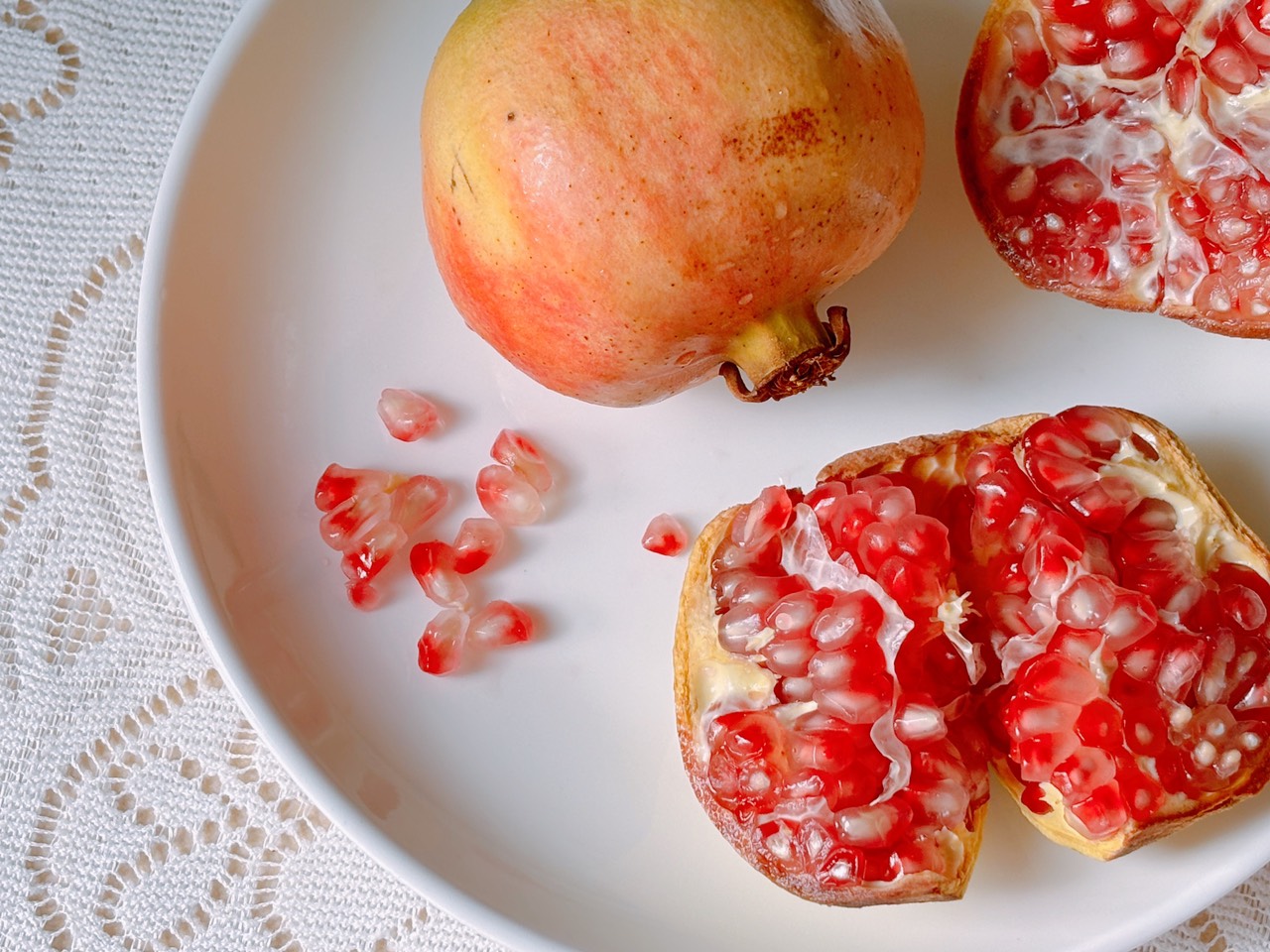 |
Pomegranates
Pomegranates are rich in polyphenols and anthocyanins, antioxidants that reduce inflammation and help protect blood vessels from free radical damage.
Some studies also indicate that pomegranate juice can support improved endothelial function and blood circulation when consumed as part of a healthy diet. Prioritize eating the whole fruit or drinking pure juice without added sugar.
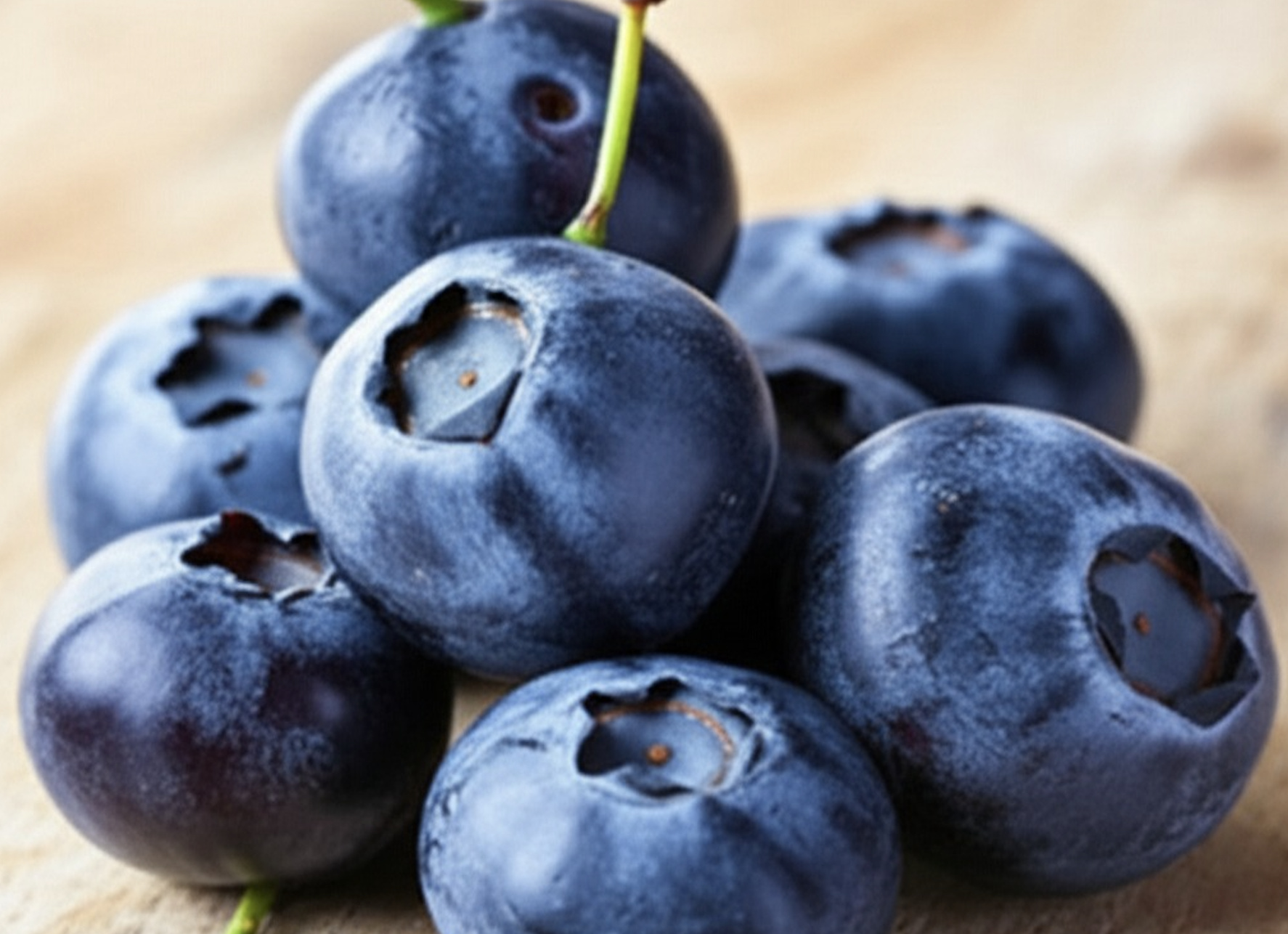 |
Blueberries
Anthocyanins, the compounds responsible for blueberries' distinctive blue-purple color, are linked to a reduced risk of cardiovascular disease. These antioxidants help limit inflammation, improve blood vessel function, and protect cells from damage.
If fresh blueberries are unavailable, frozen blueberries can be used; however, products with added sugar should be avoided.
By Bao Bao (Compiled)
Photos: Bao Bao, AI