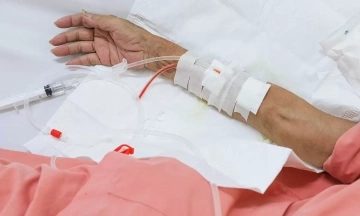
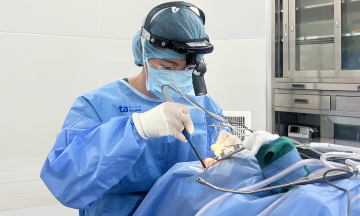
Pneumonia, an inflammation of the lungs, bronchi, or air sacs (alveoli), causes fluid or pus to accumulate, leading to shortness of breath, cough, and chest pain. An acute episode of pneumonia usually resolves completely within one to two weeks. However, if the condition recurs two to three times a year, it signals serious damage to the respiratory system, known as recurrent pneumonia.
Persistent or frequently recurrent pneumonia accompanied by chest pain may be linked to lung tumors or mediastinal tumors that compress the airway. This compression causes secretions to accumulate, creating a breeding ground for bacteria to continuously cause pneumonia in a specific area.
Furthermore, structural abnormalities such as congenital pulmonary sequestration (one part of the lung parenchyma not connected to the airway and supplied by an abnormal artery), localized bronchiectasis, or forgotten foreign objects in the airway also serve as breeding grounds for bacteria. If these conditions are not thoroughly treated, pneumonia can recur frequently.
In the long term, repeated inflammatory episodes cause permanent damage to lung parenchymal structures, forming irreversible scar tissue (pulmonary fibrosis), lung abscesses, or pleural effusions. These conditions impair respiratory function, increase pressure on the cardiovascular system, and complicate future treatment.
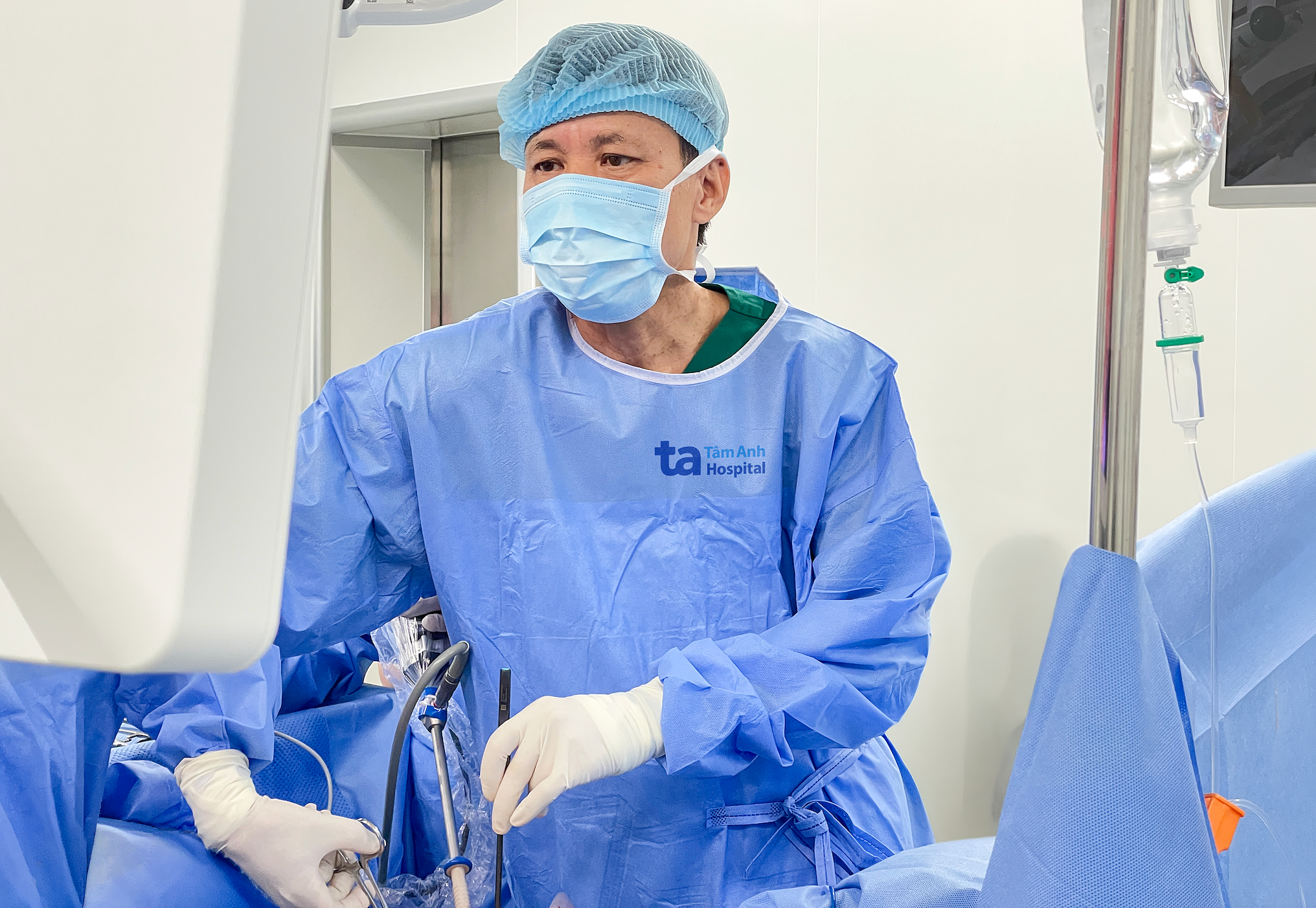 |
Associate Professor Vinh performs endoscopic surgery to treat lung tumors for a patient. *Tam Anh General Hospital*.
If you frequently experience recurrent pneumonia despite medication, the underlying cause may not have been completely eliminated. You should visit a hospital with specialized Thoracic or Respiratory departments for in-depth screening. Doctors may order X-rays, low-dose or high-resolution computed tomography (CT) scans of the chest to observe the vascular system, lung parenchyma, and small tumors in detail.
You may also undergo flexible bronchoscope. This technique allows doctors to directly observe abnormalities within the airway, remove foreign objects, or perform biopsies to determine whether a pathological condition is benign or malignant.
If the cause is an early-stage lung tumor, congenital pulmonary sequestration, or an infected cyst, patients undergo surgery for thorough treatment of the underlying condition. Minimally invasive techniques, such as endoscopic surgery assisted by the Da Vinci Xi robot, help doctors meticulously dissect the lesion at its root with high precision. This contributes to preserving healthy lung parenchymal function, preventing recurrent pneumonia, and shortening recovery time.
In addition to adhering to treatment, you should boost your immunity through nutrition, vaccination, and avoiding smoking to protect the airway lining from new infectious agents.
Associate Professor, Doctor Vu Huu Vinh
Director of Thoracic and Vascular Surgery Center
Tam Anh General Hospital, TP HCM