While moderate tea consumption can offer benefits for individuals with hypertension, particularly due to its antioxidant properties, drinking strong tea daily is generally not recommended. Strong tea, with its high caffeine content, can temporarily increase blood pressure and should not be considered a substitute for prescribed medication.
Green tea contains compounds like caffeine, polyphenols, and catechins, which can influence blood pressure in opposing ways. Caffeine causes a temporary rise in blood pressure, while the antioxidants in tea promote vasodilation and improve blood vessel function.
Consuming overly strong tea leads to a high caffeine intake, which can have adverse effects. Within 30-90 minutes of consumption, caffeine stimulates the sympathetic nervous system, accelerating heart rate, constricting blood vessels, and causing a temporary increase in blood pressure. This effect can be more pronounced in individuals sensitive to caffeine.
If your blood pressure is consistently well-controlled, you may still drink tea daily, but it should be consumed in moderation. Instead of strong tea, opt for a weaker brew or use fewer tea leaves. Limit your intake to about one to two small cups per day, and avoid drinking tea in the evening, as it can disrupt sleep and make blood pressure control more challenging.
It is advisable to monitor your body's response to tea. Measure your blood pressure before drinking tea and again one to two hours afterward. Blood pressure is considered stable when it remains below 130/80 mmHg. If your blood pressure consistently rises above 140/90 mmHg or increases by more than 10 mmHg from your normal level after drinking tea, this may indicate sensitivity to caffeine.
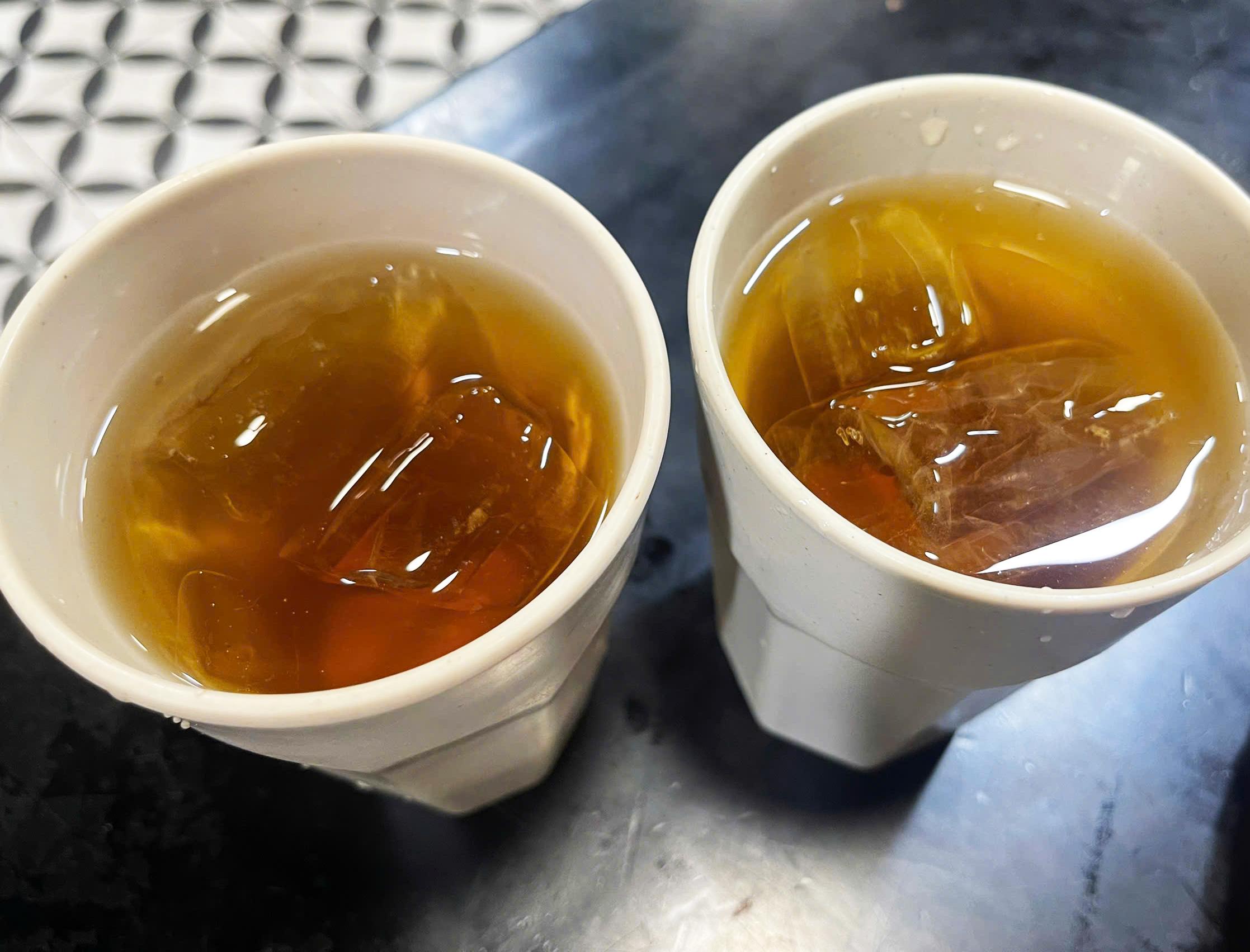 |
Drinking tea can offer many health benefits if consumed regularly and in moderation. Photo: Ly Nguyen |
Individuals with hypertension should avoid tea when experiencing anxiety, insomnia, or on an empty stomach. It is also important to limit overly strong, excessively hot, or heavily sweetened tea. These factors can negatively affect cardiovascular health and hinder blood pressure management.
Regular medical check-ups are essential to monitor medication effectiveness and detect any early cardiovascular complications. Patients must adhere to their prescribed medication dosages and schedules, and should not independently discontinue or reduce their medication, even if blood pressure appears stable.
Diet and exercise play crucial roles in managing hypertension. Reduce daily salt intake, limit processed foods and sugary drinks, and increase consumption of green vegetables, fresh fruits, legumes, and whole grains. Maintain a healthy weight and engage in regular physical activity suitable for your condition. Additionally, ensure adequate sleep, minimize chronic stress, and avoid smoking.
This advice is provided by Master of Science, Doctor Nguyen Thi Tuyet, from the Cardiology Department at Tam Anh Cau Giay General Clinic.
Readers can submit their cardiology questions here for doctors to answer.