Fiber is essential for digestive health, preventing constipation, and stabilizing bowel movements. The body digests fiber slowly, which helps regulate blood sugar levels and prevents sudden spikes. Adequate fiber intake also increases feelings of fullness, reducing overall calorie consumption during meals.
Adults should aim for approximately 25-38 grams of fiber daily. Drinking enough water helps fiber work more effectively and reduces the risk of constipation. Women generally need about 21-28 grams, while men require more, around 30-38 grams, depending on age and caloric needs.
Frequent constipation
There are two types of fiber: soluble and insoluble. Both support digestion, but insoluble fiber accelerates the movement of stool through the digestive tract, enhancing bowel function and preventing constipation. A diet low in fiber can lead to constipation, eventually leading to hemorrhoids. Beneficial sources of fiber for gut health include whole grains, wheat bran, and vegetables. Introduce fiber into your diet gradually to minimize bloating and abdominal discomfort.
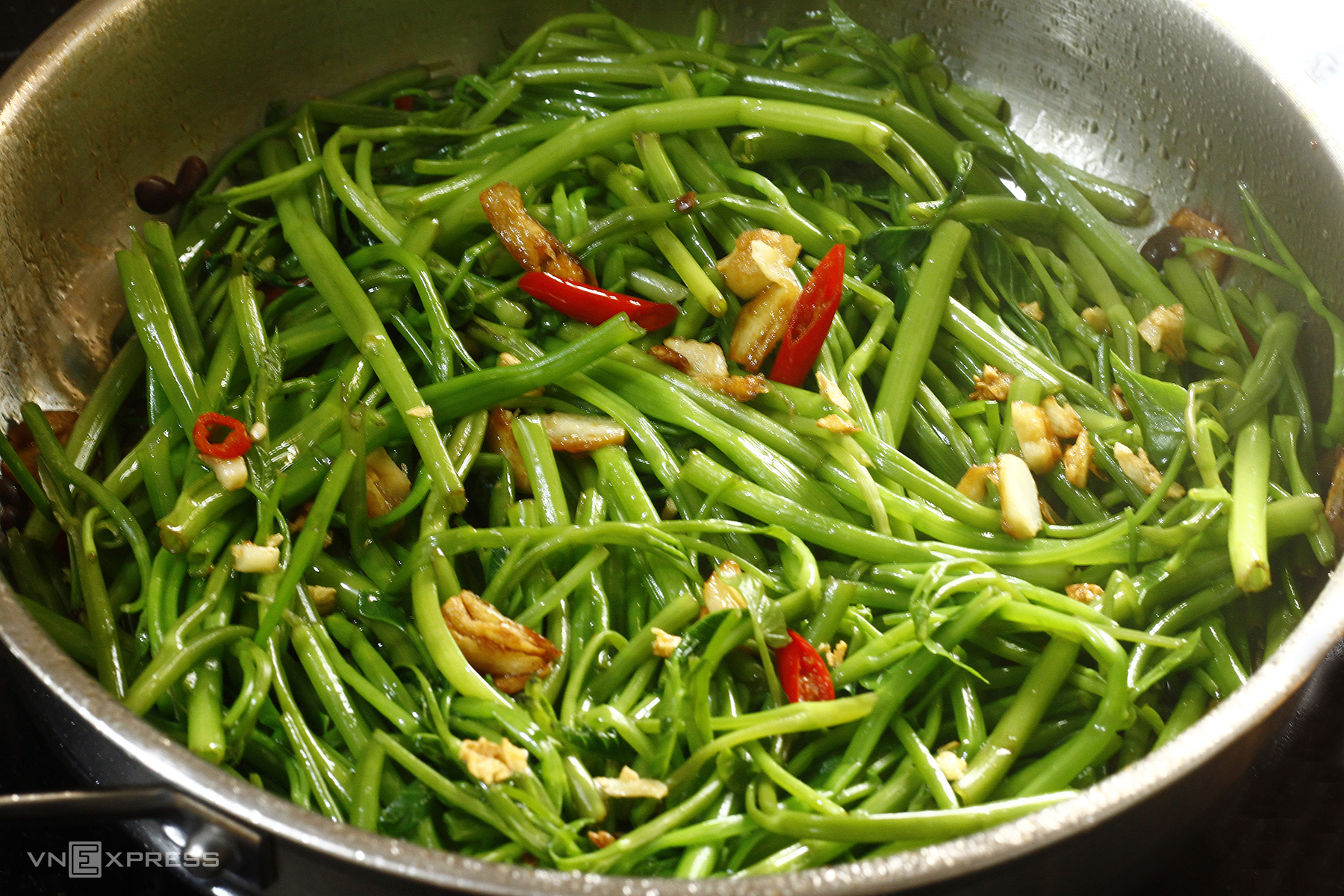 |
Green vegetables rich in fiber help prevent constipation. Photo: *Bui Thuy*. |
High blood sugar and cholesterol levels
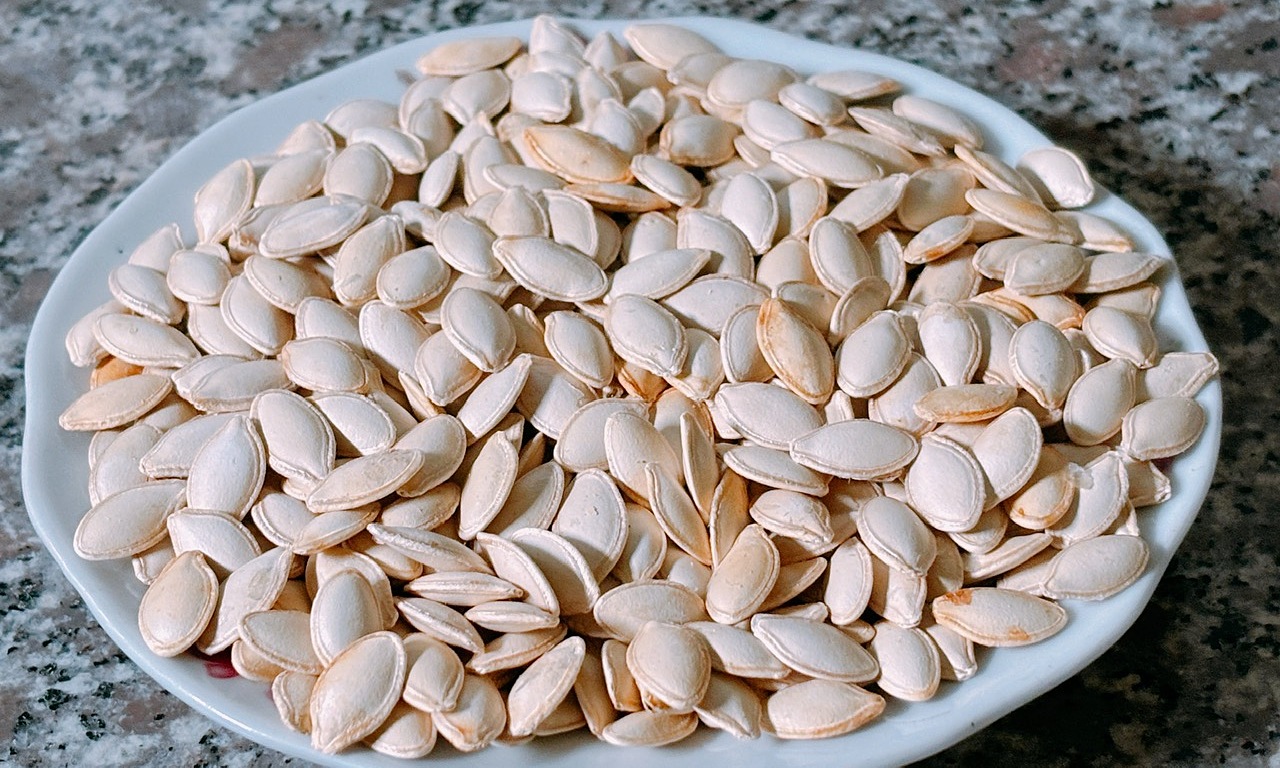
Fiber regulates blood sugar and helps prevent diabetes. Fiber-rich foods are digested and absorbed slowly, which slows the rate at which glucose enters the bloodstream, preventing blood sugar spikes after eating. Soluble fiber, found in nuts and peas, helps lower LDL cholesterol, often called "bad" cholesterol. Nuts rich in healthy omega-3 fats also reduce inflammation and promote gut health.
Digestive discomfort from fiber
A habit of insufficient fiber intake can make the digestive system more sensitive, leading to fiber intolerance. In such cases, even a small amount of fiber can cause bloating, abdominal pain, or diarrhea. Gradually increase fiber intake by about 5 grams daily until your digestive system adjusts, slowly increasing consumption to reduce discomfort.
Regularly incorporate soluble fiber-rich vegetables, especially cruciferous vegetables, which are high in vitamins K and C and antioxidants. Additionally, legumes and berries such as blueberries, grapes, and strawberries are excellent choices, providing folate, iron, and fiber to help protect cells from damage.
By Anh Chi, adapted from Very Well Health.