Acute kidney injury (AKI), also known as acute renal failure, is a common clinical condition, especially among individuals with severe illnesses. Doctor Nguyen Van Thanh, deputy head of the Department of Nephrology - Urology at Hanoi Medical University Hospital, stated that certain medications can directly cause or worsen the progression of acute kidney injury.
For patients with existing kidney damage or those undergoing treatment, careful consideration is essential when selecting and combining medications. This minimizes the risk of co-administering drugs with similar toxic potential. Early identification and prompt discontinuation of these harmful agents can significantly improve treatment outcomes.
According to Doctor Thanh, the risk of drug-induced acute kidney injury increases in several patient groups:
Individuals experiencing dehydration, including elderly people who do not drink enough water, or those suffering from vomiting, fever, or diarrhea. Patients with sepsis or hypotension are also at higher risk, as are those with a history of kidney disease.
Patients currently using multi-drug regimens that include nephrotoxic agents, such as nonsteroidal anti-inflammatory drugs, antibiotics, antifungals, diuretics, uric acid-lowering drugs (like allopurinol), angiotensin-converting enzyme inhibitors, or receptor blockers.
Here are some common medications that can cause acute kidney injury:
1. Aminoglycoside antibiotics (e.g., gentamicin, amikacin, tobramycin): These drugs directly damage the proximal tubules, leading to acute tubular necrosis. The risk increases with prolonged treatment exceeding 5-7 days and high serum drug concentrations. These antibiotics can cause acute kidney failure without oliguria (low urine output), and plasma creatinine often rises a few days after drug administration.
Prevention involves prescribing short-term use, monitoring serum drug levels, and administering the drug once daily rather than in divided doses. If kidney failure is present and the drug must be used, the dosage should be adjusted according to the glomerular filtration rate.
2. Vancomycin: This antibiotic causes direct damage to the proximal tubules, increases oxidative radicals, and can lead to interstitial nephritis, and occasionally glomerular damage. The risk is higher with high doses, prolonged use, or when combined with aminoglycosides. To prevent damage, vancomycin levels must be maintained within the therapeutic target range.
3. Nonsteroidal anti-inflammatory drugs: These medications reduce prostaglandin synthesis, causing vasoconstriction of the afferent arterioles in the glomeruli. They can also lead to tubulointerstitial nephritis due to hypersensitivity reactions, cellular toxicity, and tubular dysfunction. This condition is common in dehydrated, elderly patients, or those with underlying kidney disease, heart failure, cirrhosis, or when combined with efferent glomerular vasodilators and/or diuretics.
4. Angiotensin-converting enzyme inhibitors and angiotensin receptor blockers: These drugs cause dilation of the efferent arterioles, which reduces glomerular filtration pressure. The risk is higher in individuals with bilateral renal artery stenosis, severe hypotension, fluid depletion, or when combined with diuretics and/or afferent glomerular vasoconstrictors. For prevention, a low initial dose should be used, gradually increasing based on response and tolerance.
5. Allopurinol: Primarily used to reduce blood uric acid and treat gout, allopurinol can cause acute kidney injury through tubular damage and drug hypersensitivity reactions. The risk increases if the patient has pre-existing kidney failure, and the drug dosage needs adjustment based on kidney function.
Preventive measures include ensuring adequate hydration, starting with a low dose and gradually increasing it based on response and tolerance, and reducing the dose according to the glomerular filtration rate. Screening for the HLA-B58:01 gene before prolonged allopurinol use can help reduce the risk of severe hypersensitivity reactions.
6. Intravenous contrast media: These agents can cause contrast-induced nephropathy. The mechanism involves renal vasoconstriction and direct toxicity to the renal tubules, leading to acute tubular necrosis. The risk is high in patients with diabetes, chronic kidney disease, dehydration, or those concurrently using other medications (nonsteroidal anti-inflammatory drugs, diuretics, angiotensin-converting enzyme inhibitors, receptor blockers).
Doctors often administer sufficient fluids before and after imaging studies involving contrast. They also avoid unnecessary use of contrast media or limit the dose to the minimum required. Nonsteroidal anti-inflammatory drugs should be avoided for 24-48 hours before or after contrast injection, and diuretics should be stopped or their dosage adjusted.
7. Amphotericin B: This antifungal drug causes renal vasoconstriction and tubular toxicity. However, the liposomal form (liposomal amphotericin B) is less nephrotoxic than the deoxycholate form. Prevention involves using the liposomal form when possible, ensuring adequate hydration before infusion, and adjusting the dose if signs of kidney failure appear.
8. Calcineurin inhibitors (e.g., cyclosporine, tacrolimus): These drugs cause renal vasoconstriction and tubular damage, potentially leading to chronic kidney failure. It is important to monitor blood drug levels, maintain them within target ranges, and avoid high, prolonged doses. Additionally, ensure adequate hydration and avoid combining with other potentially nephrotoxic drugs.
9. Loop diuretics: These drugs pose an indirect risk of kidney damage if used in excessive doses, leading to profound diuresis and reduced circulating volume.
10. Propofol (rare but significant): Propofol is a rapid-acting intravenous anesthetic that can cause acute kidney failure through propofol infusion syndrome. This syndrome is associated with rhabdomyolysis, metabolic acidosis, and myocardial damage due to high-dose, prolonged infusions.
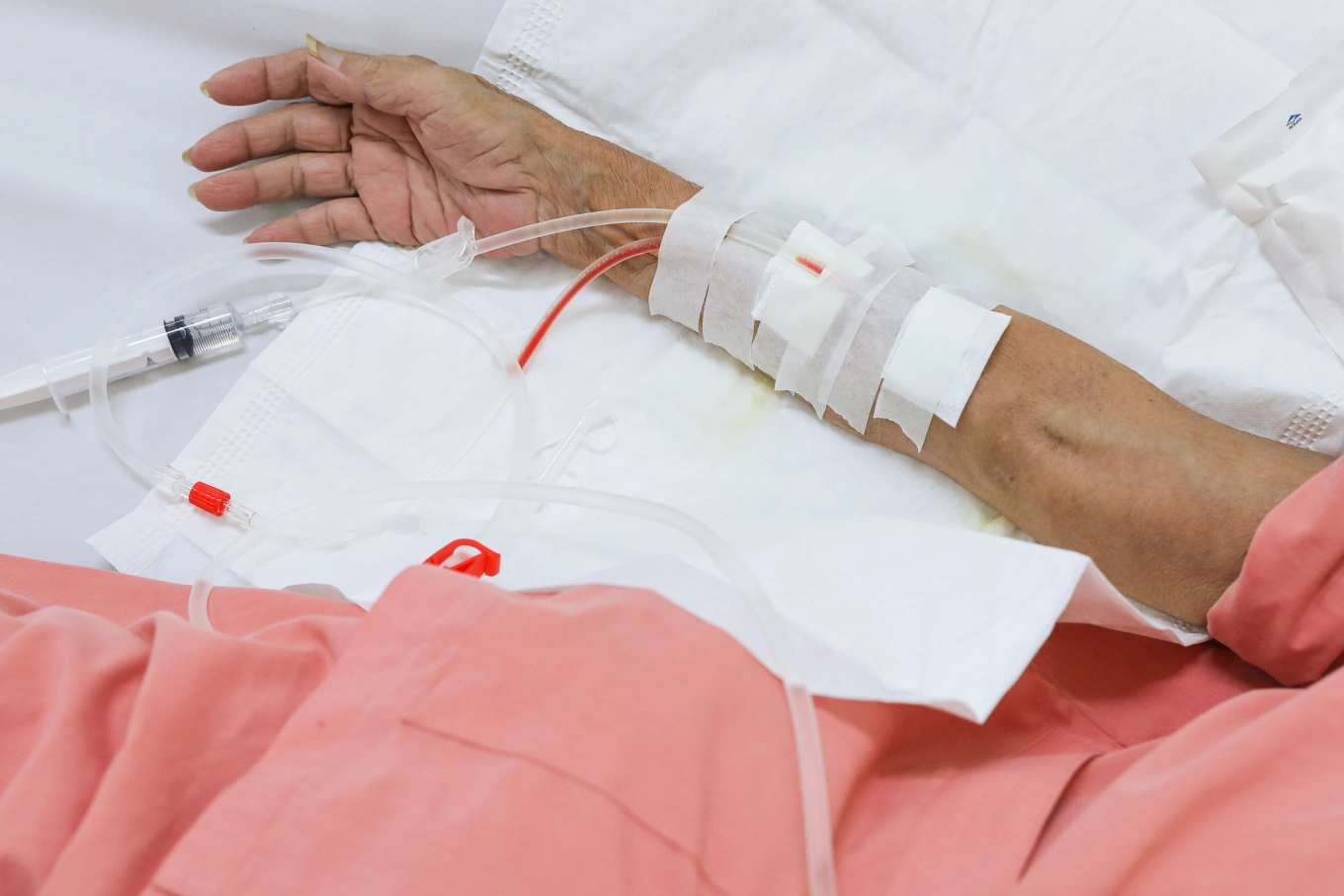 |
Patients must adhere to their doctor's treatment plan and avoid self-medicating with drugs that can harm their health. Photo: Phung Tien |
Patients must adhere to their doctor's treatment plan and avoid self-medicating with drugs that can harm their health. Photo: Phung Tien
General preventive measures include:
Evaluating kidney function before administering medications, especially those known to pose a risk of kidney damage.
Reviewing daily medications to avoid combining multiple drugs that share a risk of kidney toxicity, prioritizing less toxic alternatives when available.
Ensuring adequate fluid intake (oral or intravenous if necessary) to maintain sufficient renal perfusion pressure.
Monitoring kidney function, including urine output, daily body weight, creatinine, glomerular filtration rate, and serum electrolytes (potentially every two to three days or as clinically indicated).
"Always consider drug-induced acute kidney injury when serum creatinine increases within 48-72 hours after starting a new medication", Doctor Thanh advised.
Thuy An