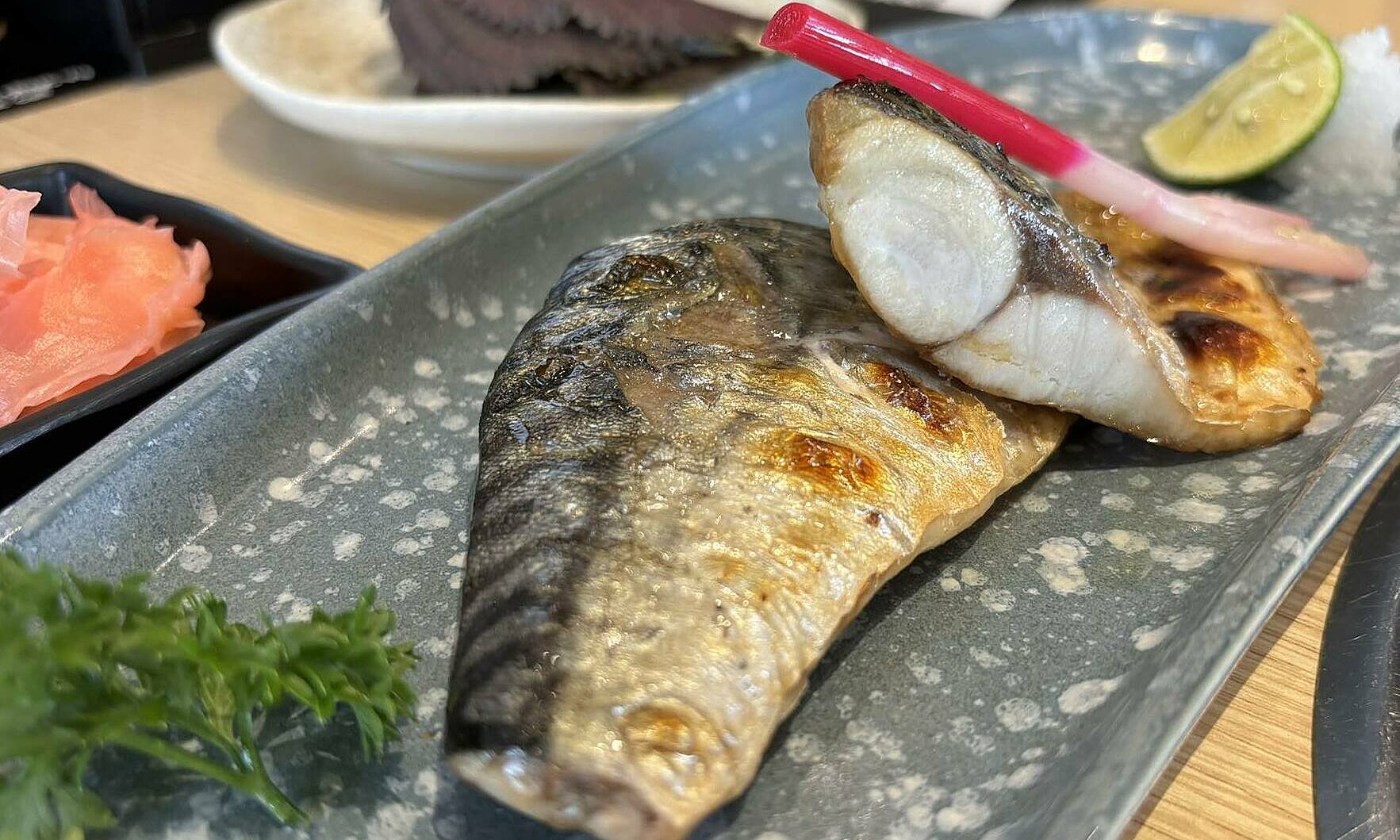
Recently, as food safety warnings have become frequent, many immediately suspect inadequate hygiene at stores or poor ingredient quality. However, doctor Vuong Tuan Binh, a rehabilitation specialist from China, warns that food safety isn't solely the seller's responsibility; daily habits are making food more hazardous.
Doctor Vuong Tuan Binh notes that some dishes are safe if consumed immediately, but risks begin to accumulate if left out or eaten later. Once food enters the "danger temperature zone" of 7-60 degrees C, leaving it out for just one hour can cause bacteria to multiply 8 times.
The "danger temperature zone" where bacteria thrive
On his personal page, doctor Vuong Tuan Binh shares that many people, after buying boxed meals, often leave them aside, engrossed in their phones or work before eating. However, as soon as food leaves its heat source and reaches room temperature, it enters the "danger temperature zone" (7-60 degrees C).
Within this temperature range, common bacteria (such as Salmonella) can double their numbers every 20 minutes under suitable conditions. Consequently, bacteria increase about 8 times after one hour, and this number rises to 64 times after two hours. In other words, simply leaving food at room temperature for one to two hours significantly increases the risk.
The habit of "sealing" food: an ideal environment for bacteria
Beyond the waiting time, the act of "sealing" food is even more dangerous. Takeaway food is often packaged in sealed containers or plastic bags. While this might seem to keep food warm, it actually slows down the cooling process, causing food to remain in the danger temperature zone for an extended period.
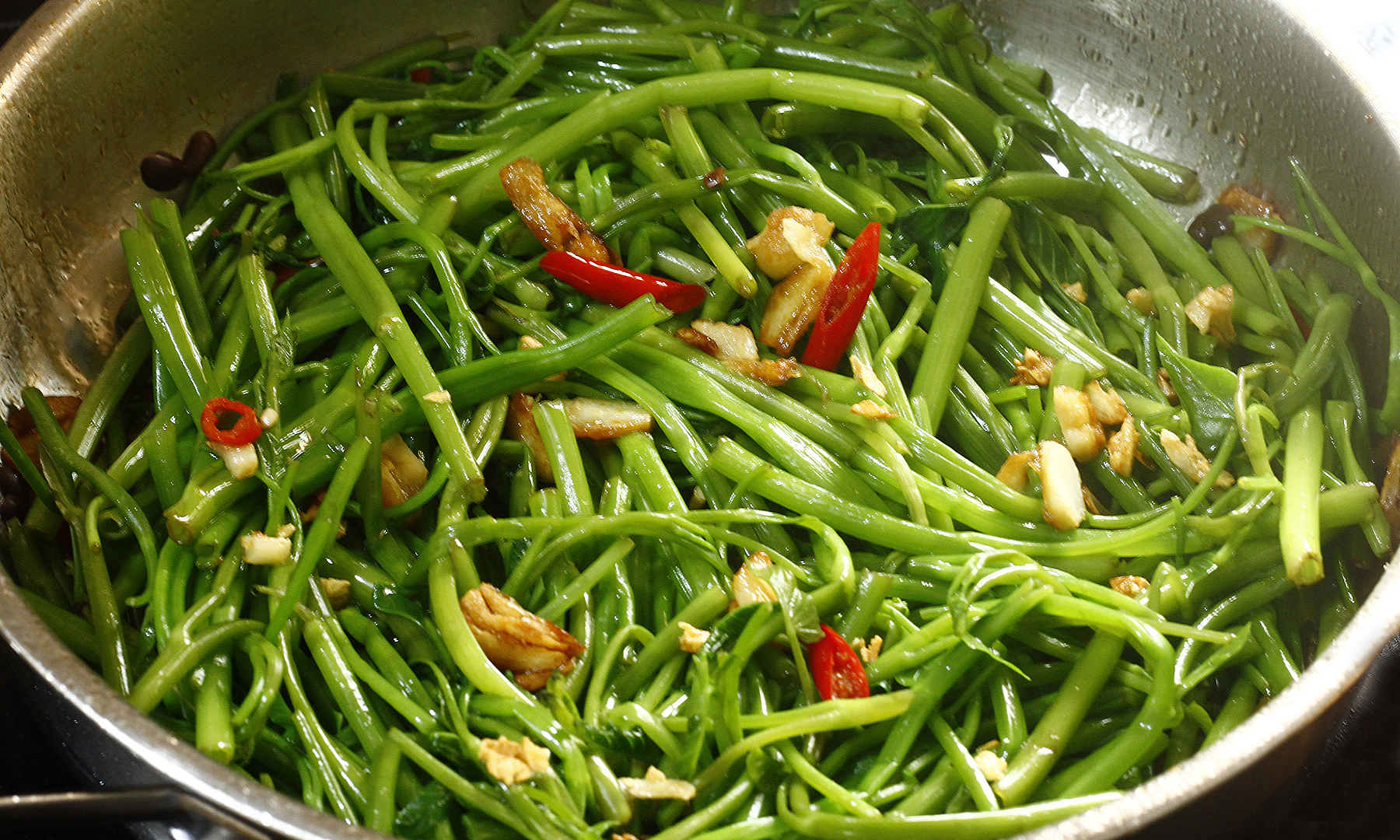
Combined with humidity and poor air circulation, "this creates an ideal environment for bacteria", especially for dishes like boxed rice, stir-fried vegetables, eggs, or soy products, which have high water content. The doctor advises that if you are not eating immediately, you should open the container lid to allow heat to escape, preventing food from remaining in the 30-50 degrees C range for too long.
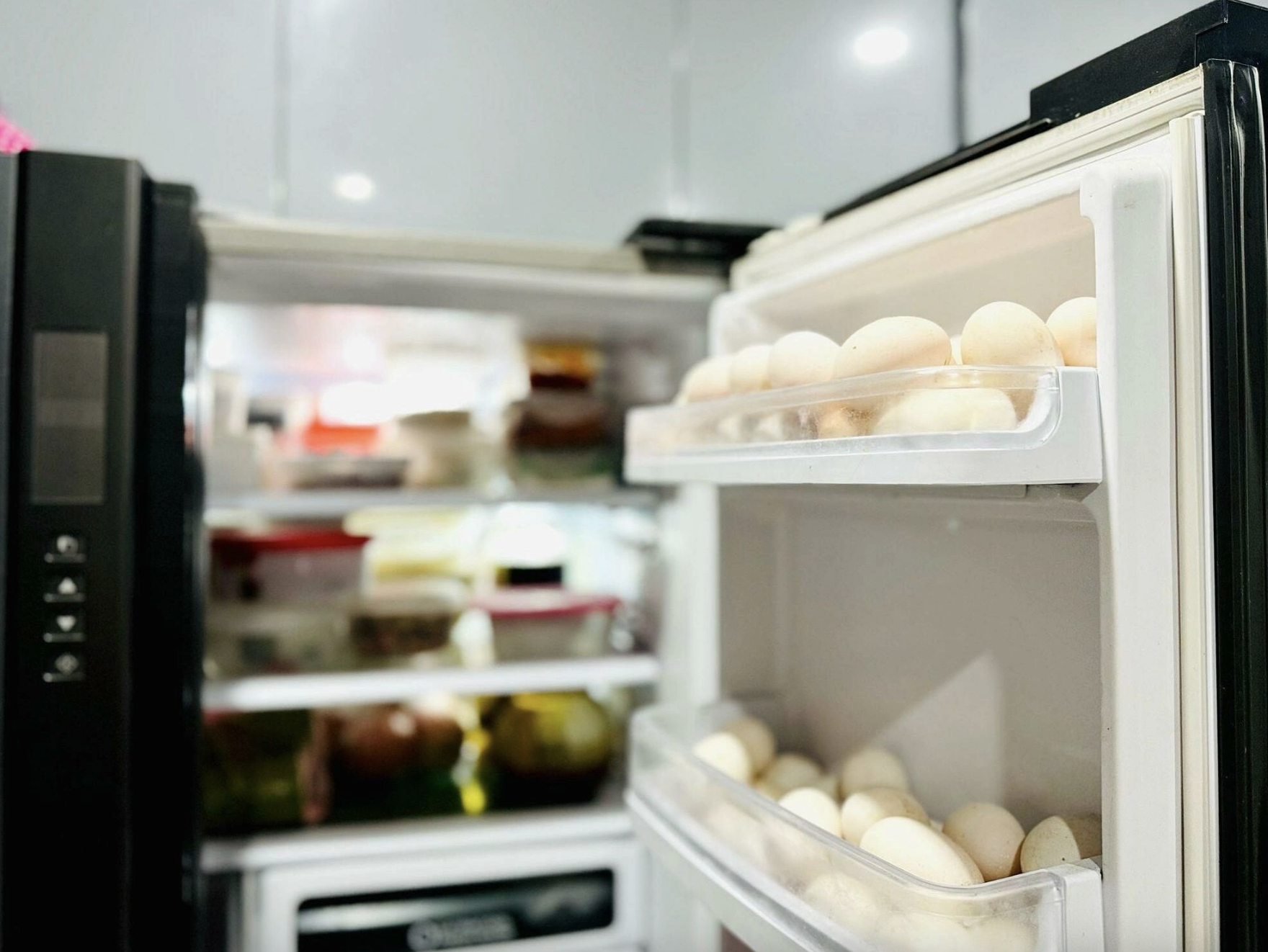 |
For leftover food, the key lies in "cooling speed". *Luc Bao* |
Don't wait for food to cool completely before refrigerating
For leftover food, the key is "cooling speed." Typically, food should not be left at room temperature for more than two hours (or under one hour in hot environments). Instead of keeping it in one large pot, you should divide food into smaller containers so it reaches a safe temperature quickly. If the core temperature of the food remains warm for too long, bacteria will continue to multiply.
Addressing the concern of whether "putting hot food directly into the refrigerator will damage it," the doctor states that modern refrigerators have good temperature control mechanisms, and occasionally placing hot food inside will not damage the appliance. However, for safety, it is still advisable to divide portions to speed up heat dissipation.
The mistake of thinking "reheating will fix it"
Many people carelessly assume that 'reheating later will be fine,' but doctor Vuong Tuan Binh warns: some bacteria (such as *Staphylococcus aureus*) can produce heat-resistant toxins. Even if you reheat the food, these toxins will still be present. Furthermore, if reheating in a microwave is uneven, bacteria can still survive.
When reheating, the core temperature of the food must reach at least above 75 degrees C. You should stir thoroughly or divide the reheating into several stages to ensure the food is completely and evenly heated.
Doctor Vuong shares that in clinical practice, it's not uncommon for "the body's reaction to be delayed." The incubation period for food poisoning typically ranges from 6 to 48 hours. Many people only develop symptoms several hours later, or even the next day, leading them to not associate it with "yesterday's takeaway meal." This often causes people to incorrectly identify the source of their illness.
Besides acute digestive issues, patients may also experience general fatigue, dehydration, or electrolyte imbalance. The doctor emphasizes: "The problem does not necessarily occur immediately upon eating, but is rather the result of gradual accumulation afterward."
Food safety is not only the responsibility of restaurants but also lies in each decision we make after bringing food home. "Often, risks don't come from exotic dishes, but from very familiar daily routines," concludes doctor Vuong Tuan Binh.
My Y (According to SETN)