Japan is renowned not only for its healthy diet but also as a nation holding the record for the highest average life expectancy. According to World Health Organization (WHO) data, the life expectancy of Japanese people consistently ranks among the top globally. One of the "golden keys" to their sustained physical and mental well-being is their daily habit of soaking in hot water.
This country, known as the "land of the rising sun", is also a leading "Onsen superpower". Its over 27,000 spring sources boast a flow rate of approximately 2.6 million liters per minute, with hot mineral springs exceeding 42 degrees Celsius accounting for 47%. There are 3,085 Onsen areas with accommodation facilities, mostly distributed along volcanic belts, ensuring a constant heat source. Furthermore, seasons of rain, storms, and snowfall provide abundant water resources for the archipelago, creating an endless supply for its mineral springs.
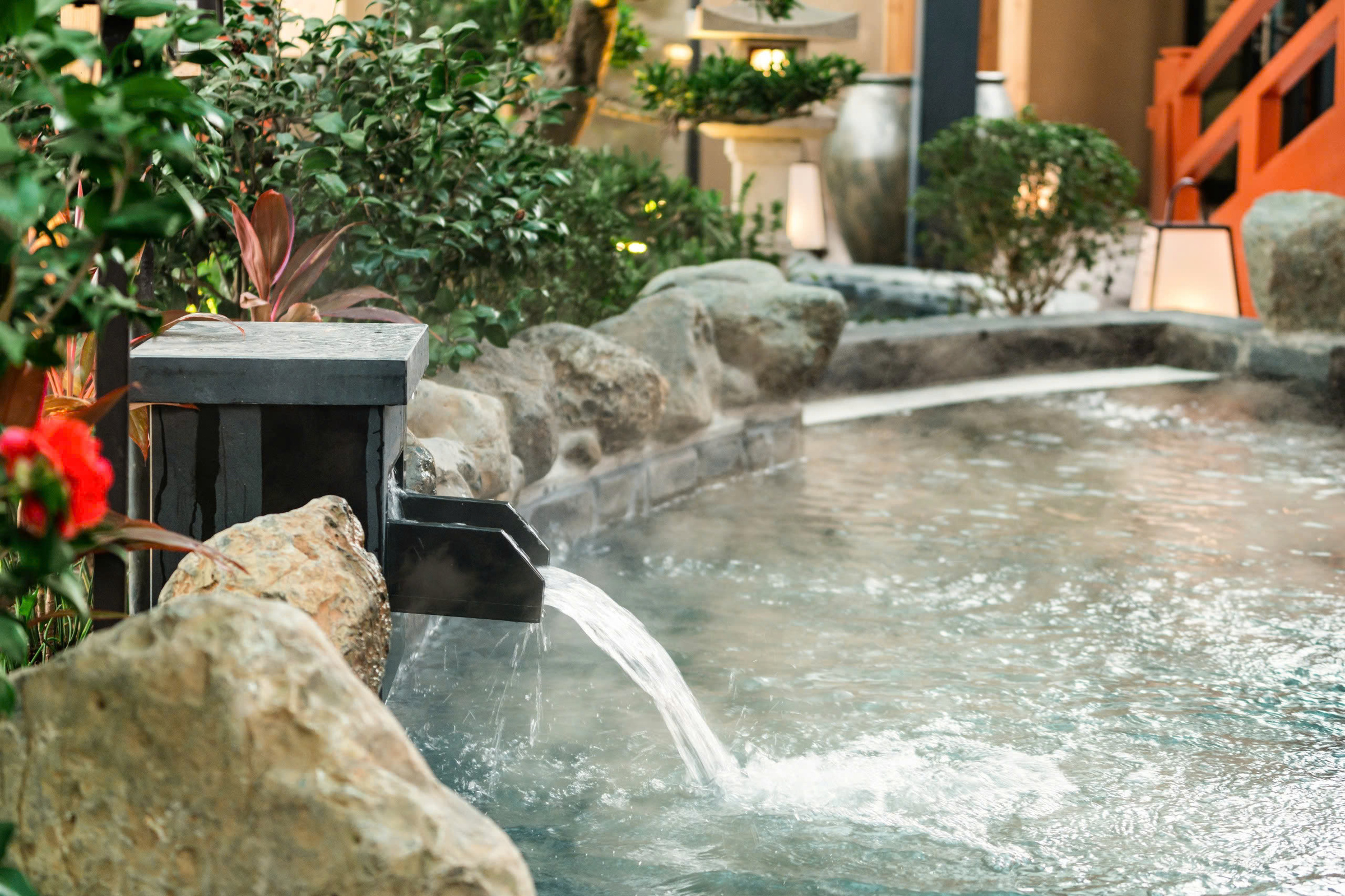 |
Hot spring bathing offers health benefits. Photo: P.Nguyen |
Thanks to nature's generous gift of Onsen resources, Japanese people have cultivated unique cultural practices since ancient times. These include Toji (hot spring healing therapy), traditional bathing culture, and Onsen culture. For the Japanese, mineral bathing is not merely a superficial body cleansing activity but an essential preventive medical therapy in daily life.
The benefits of hot spring bathing have been quantified by large-scale studies. Professor Doctor Shinya Hayasaka from University of Tokyo City, a leading expert in hot spring therapy, analyzed medical data from over 70,000 individuals over many years. The results, published on Toyo Keizai Online, indicate that people who maintained a daily hot water bathing habit had a 26% lower risk of stroke and a 35% lower risk of myocardial infarction compared to those who rarely took baths.
This mechanism results from the combined effects of heat, which dilates blood vessels, vigorously promotes blood circulation to deliver oxygen throughout the body, and eliminates pain-causing lactic acid. Additionally, the hydrostatic pressure of the water acts as a natural massage system, pushing stagnant blood from the lower limbs back to the heart, while Archimedes' buoyant force reduces body weight by 9/10, relieving the entire musculoskeletal system from supportive pressure.
The deep body temperature increase during mineral soaking also stimulates the parasympathetic nervous system, significantly reducing the stress hormone cortisol. This helps bathers relieve stress and promotes deeper, higher-quality sleep.
From a preventive medical perspective, modern research indicates that the effectiveness of bathing therapy (Onsen) primarily stems from the interaction between water temperature and trace mineral composition. According to medical analyses published on Fujin Koron, maintaining proper bathing habits has a clear impact on preventing diseases and extending healthy longevity.
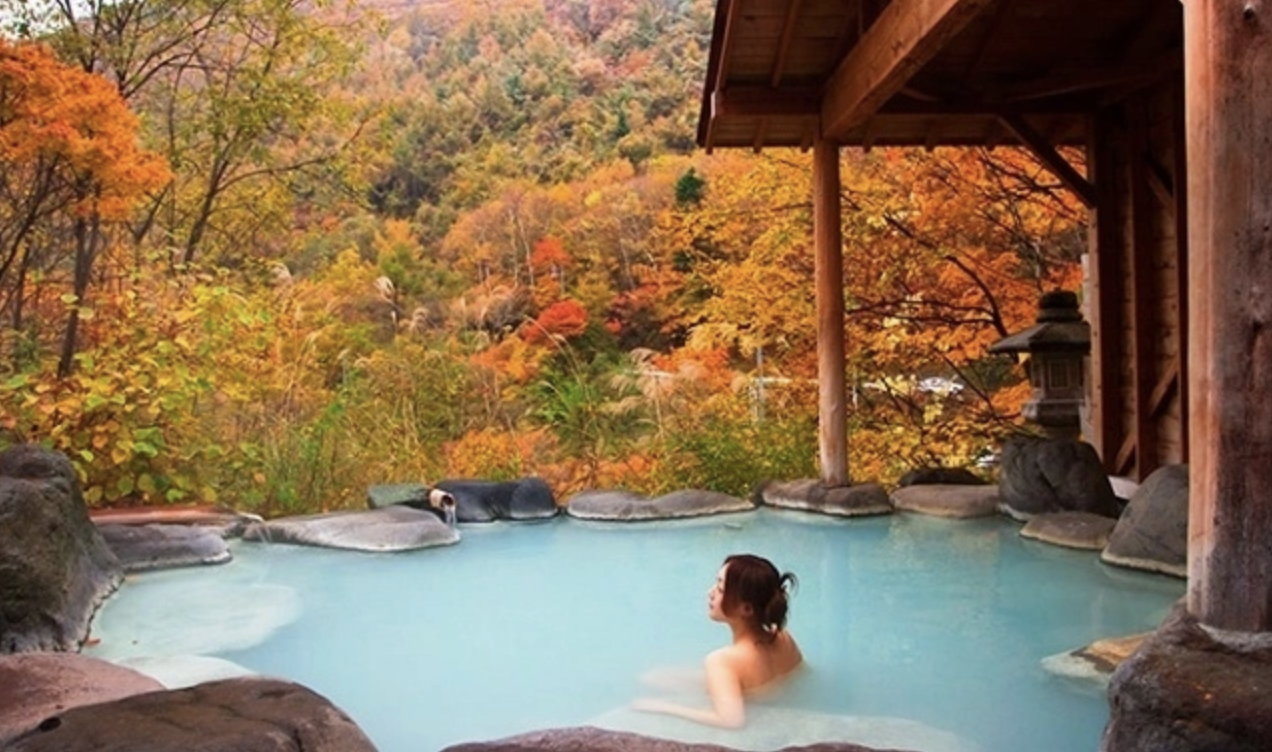 |
Hot spring bathing is an effective way to relax and heal in Japan. Photo: Go-nagano |
Based on these scientific foundations, artificial mineral creation technology is being recognized by experts as a highly practical solution. It helps overcome the geographical limitations of natural mineral sources. Current mineralization systems can simulate and replicate the ion structure of many mineral springs. A notable aspect of this technology is its ability to balance stable mineral content and personalize health care regimens according to individual physical conditions.
Specifically, the system can be adjusted to produce water rich in carbonic ions, which medicine recognizes for its ability to support capillary expansion and promote blood circulation for individuals at risk of cardiovascular disease. Alternatively, it can fine-tune mild alkaline concentrations to support cleansing and protection for those with sensitive skin.
As a result, hot spring bathing can now be enjoyed in various settings, from natural springs to wellness resorts, and even at home through in-home mineral creation technology. Mineral powder extracted from natural mineral springs is concentrated and transported to various locations. There, mineralization technology produces mineral water with stable temperatures, controlled concentrations, no impurities, added fragrance, and adjustable composition to better suit the user's physical condition.
My Y (According to Nippon)