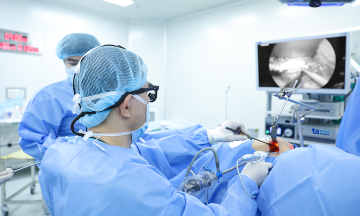
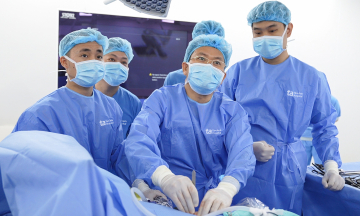
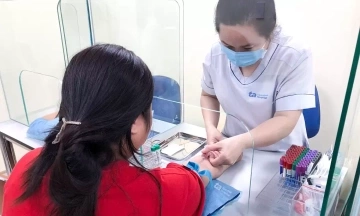
A 2026 survey by Omron Healthcare's "Heart Storm Forecast Station" campaign, targeting office workers in TP HCM, revealed a significant gap between awareness and action regarding cardiovascular health. While 80% of participants understood that high blood pressure increases stroke risk, 76% did not regularly monitor their blood pressure. Furthermore, 35% were found to have high blood pressure at the time of the survey.
This disparity between knowledge and practice presents a major barrier to preventing cardiovascular diseases. Experts attribute this largely to health monitoring primarily relying on hospital visits or infrequent periodic check-ups. However, blood pressure and heart rate are constantly fluctuating indicators influenced by time and psychological state. Consequently, home monitoring solutions are emerging as a key trend in modern medicine.
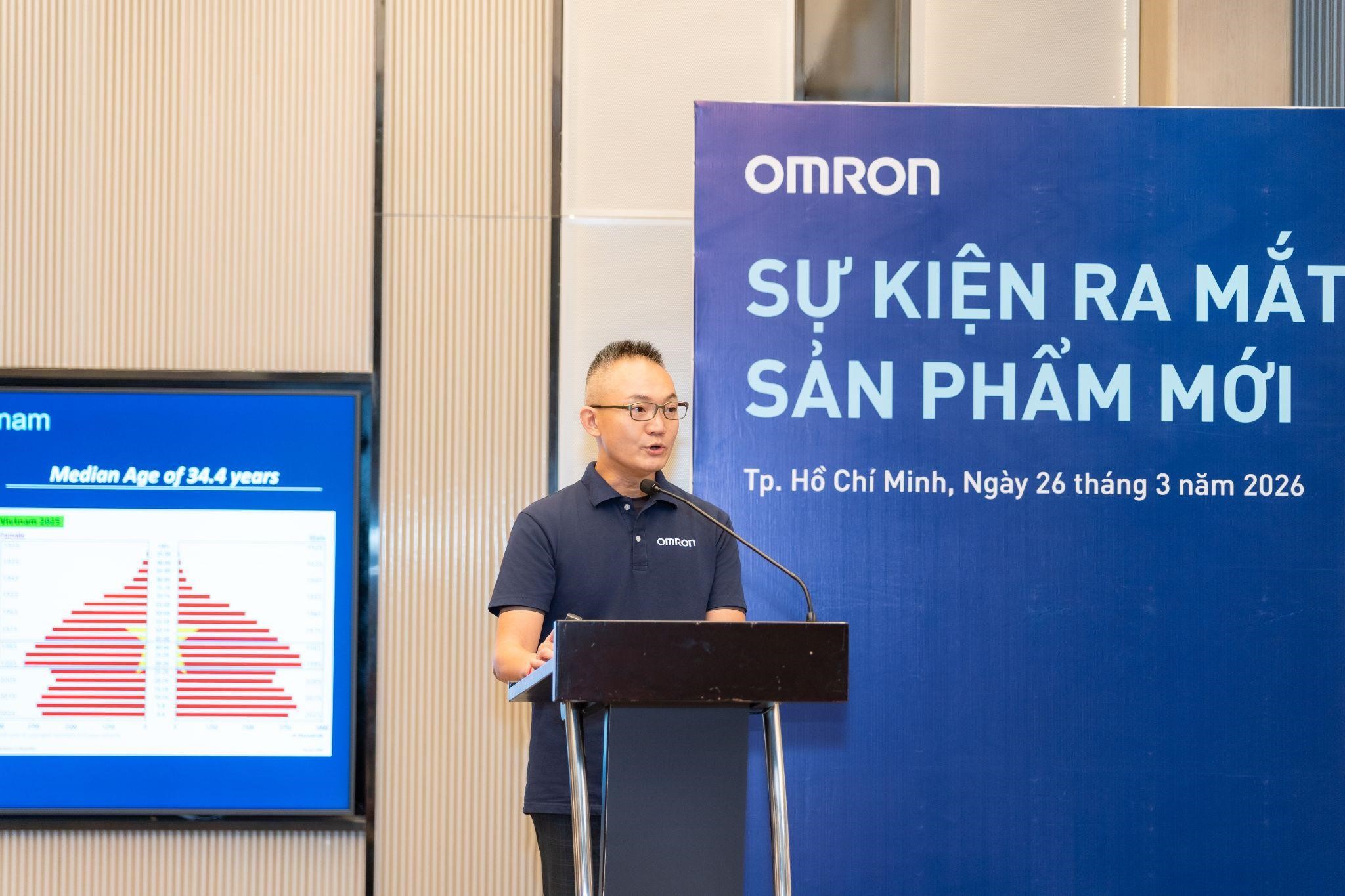 |
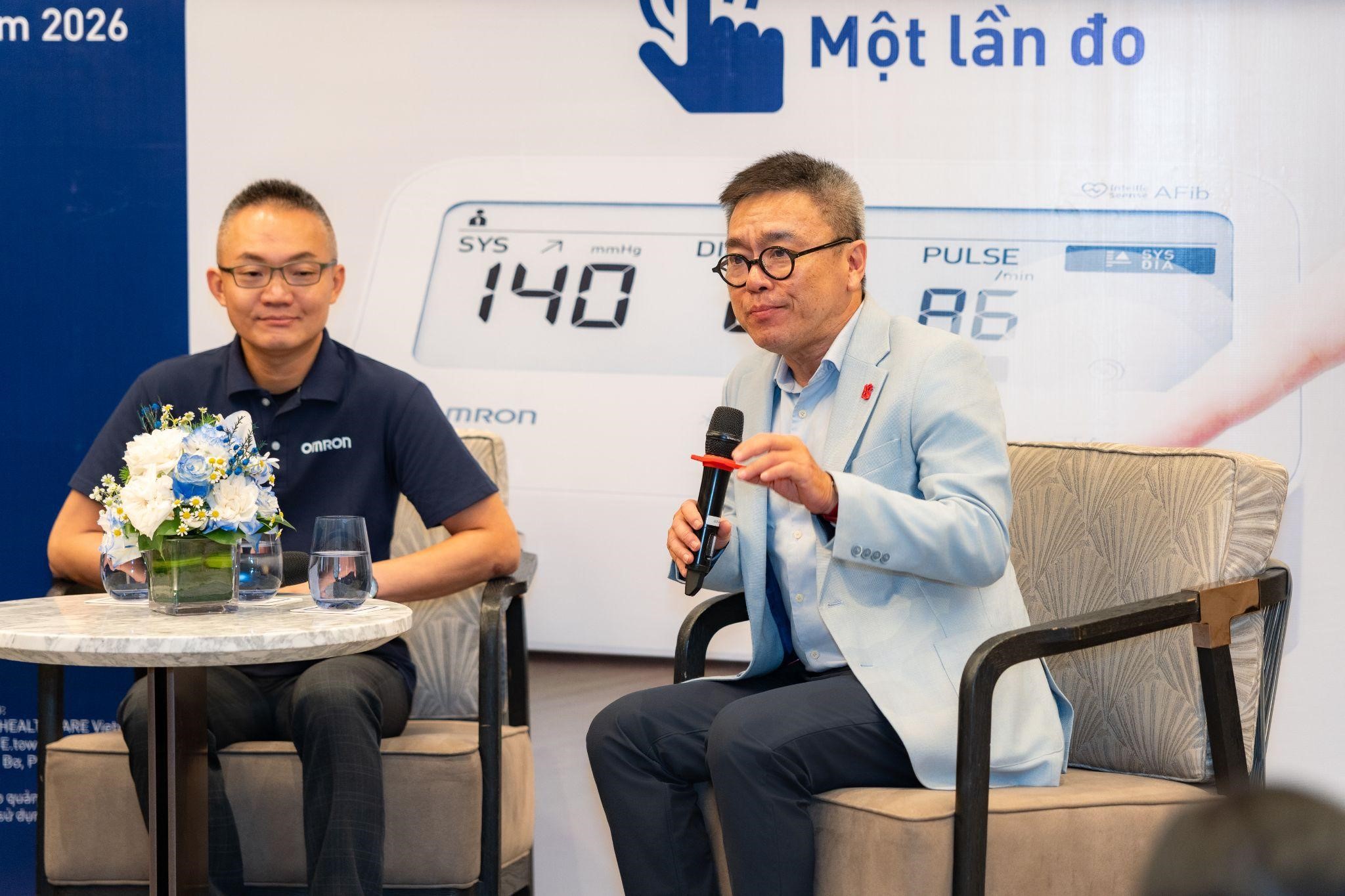
Natsuki Chen, general director of Omron Healthcare Vietnam, speaks at the company's new product launch event. *Photo: Omron Healthcare Vietnam* |
Natsuki Chen, representing Omron Healthcare Vietnam, stated that integrating personal monitoring devices with digital platforms is transforming the approach to healthcare.
"Instead of relying solely on a few hospital measurements, users can generate continuous daily health data", he shared. "This provides doctors with a more complete overview and enables more precise treatment decisions."
This initiative is also part of Omron's global "Going for Zero" vision, which aims to minimize cardiovascular events and strokes by fostering regular health monitoring habits.
Moving beyond traditional blood pressure measurement, current devices integrate various technologies to support early detection of cardiovascular risks. For example, some Omron models, such as the IQ BT / IQ BT Power series and HEM-7383T1, feature intellisense AFib technology, which enables atrial fibrillation screening during blood pressure measurement.
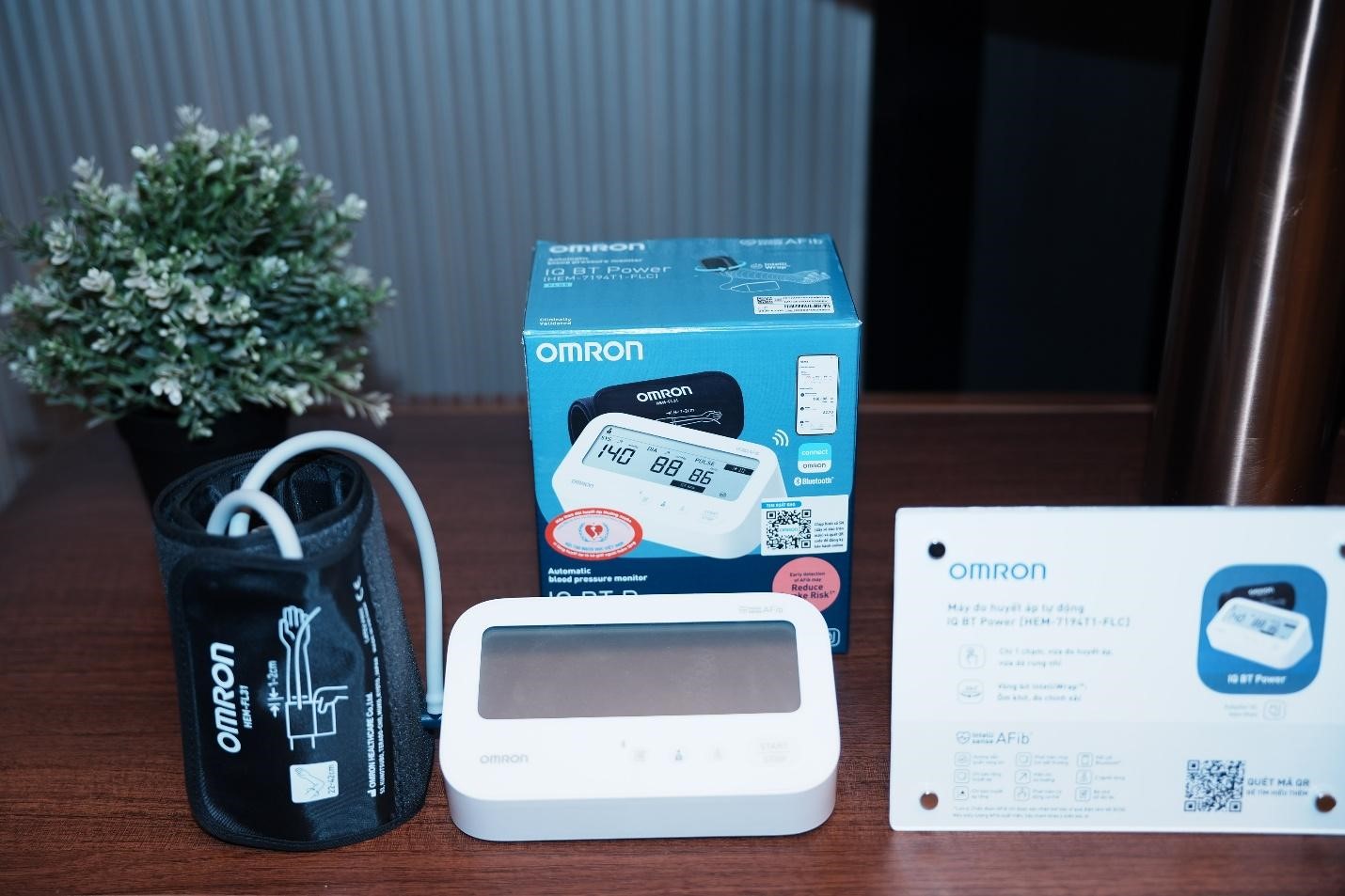 |
Omron's IQ Series blood pressure monitor (HEM-7194T1) features intellisense AFib technology, aiding in atrial fibrillation screening during blood pressure measurement. *Photo: Omron Healthcare Vietnam* |
These devices can synchronize with the Omron Connect application, facilitating data storage, tracking, and sharing with doctors. According to the company representative, early detection of abnormalities, particularly atrial fibrillation, can significantly reduce the risk of stroke.
In parallel with technological advancements, community outreach initiatives are being intensified to foster healthier self-care habits.
The "Heart Storm Forecast Station" campaign, implemented in office buildings, demonstrated considerable effectiveness. Following direct experience with blood pressure measurement and risk screening, 93% of participants indicated they would begin regular blood pressure monitoring, and 89% expressed readiness to invest in home monitoring devices.
Experts highlight that combining communication efforts with practical experience plays a crucial role in converting health awareness into tangible action.
 |
Doctor Le Dinh Phuong, head of general internal medicine & family medicine at FV Hospital, shares insights. *Photo: Omron Healthcare Vietnam* |
Experts assert that most stroke cases are preventable with effective management of risk factors such as blood pressure, diabetes, obesity, and atrial fibrillation. "A blood pressure monitor should become a basic device in every household, much like everyday personal care items", they advised.
From a corporate perspective, Omron Healthcare stated that Vietnam is a key market in its global strategy, marked by investments in manufacturing plants and the development of healthcare solutions tailored to local needs.
 |
All guests attend the launch event for Omron's new blood pressure monitor product. *Photo: Omron Healthcare Vietnam* |
With cardiovascular diseases increasingly affecting younger populations, many experts believe that home health monitoring using personal devices is becoming the "first line of defense" in the early detection of stroke risks.
Spending just a few minutes daily allows users to proactively monitor and manage their health, thereby minimizing risks associated with abnormal signs. In reality, the boundary between safety and risk often begins with small, consistently maintained daily habits.
The Dan