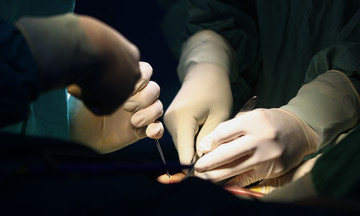
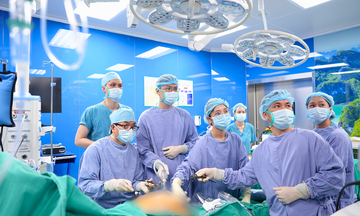
Dr. Cao Tuan Anh, a specialist doctor I from the Center for Reproductive Support at Tam Anh General Hospital Hanoi, reported that Ms. Le's ovarian reserve index had decreased to just 1,06 ng/mL. Her karyotype (chromosome map) showed an abnormality on the short arm of chromosome 13, which could affect embryo quality. Her husband, Mr. Cuong, had a sperm DNA fragmentation rate of 41,8%, a threshold indicating a high risk of embryo developmental arrest and early miscarriage.
Doctors advised the couple to undergo in vitro fertilization (IVF) combined with embryo biopsy. This approach aimed to select healthy embryos, increasing the likelihood of implantation in the uterus and successful development into a fetus. Ms. Le had to undergo multiple egg retrieval cycles to gather the necessary number of eggs. Mr. Cuong's sperm samples were collected and washed to select healthy sperm. Subsequently, the intracytoplasmic sperm injection (ICSI) method was used to create embryos.
After two cycles of ovarian stimulation and in vitro fertilization, Ms. Le and her husband obtained three day-5 embryos and two day-6 embryos. However, screening identified only one normal embryo. In their third stimulation cycle, they retrieved five day-5 embryos, but again, only one met the required criteria. Over three cycles, they created more than 10 embryos, but only two were viable.
Doctors transferred one day-5 frozen embryo from the first cycle into Ms. Le's uterus, and she conceived immediately. Due to her age, she developed gestational diabetes and was closely monitored by obstetricians. Close to her due date, the placenta's function declined, and the fetus showed signs of distress, prompting doctors to perform an emergency cesarean section. A healthy baby girl, weighing 3 kg, was born.
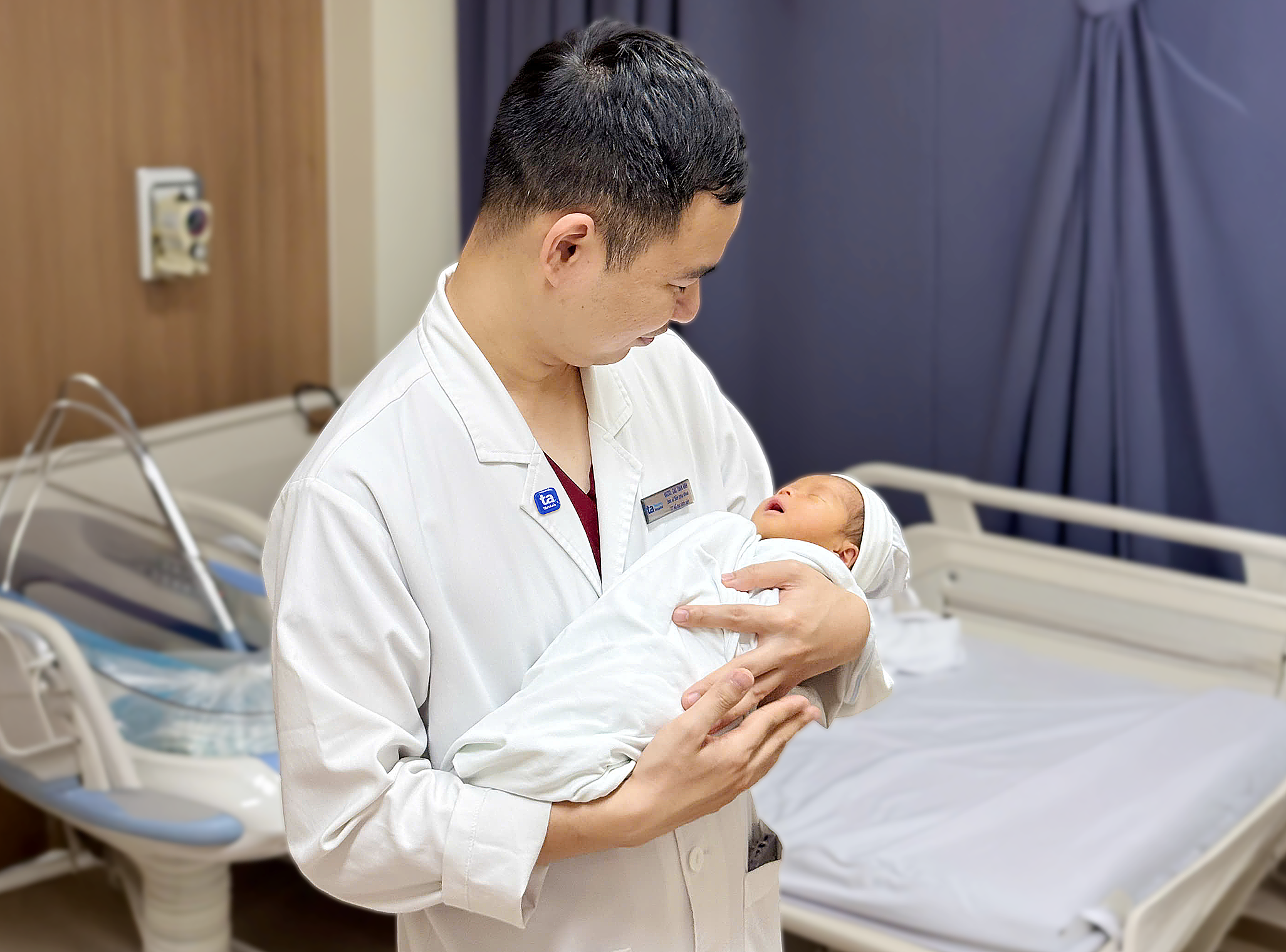 |
Dr. Tuan Anh holds Ms. Le's newborn daughter. Photo: Tam Anh General Hospital |
Dr. Tuan Anh holds Ms. Le's newborn daughter. Photo: Tam Anh General Hospital
The General Statistics Office reports a rising average age of marriage for Vietnamese people, increasing from 25,2 years old in 2019 to 27,2 years old in 2025. The national birth rate has fallen below replacement levels.
Meanwhile, women's ovarian reserve begins to decline rapidly after age 35. From age 40 onward, the rate of chromosomal abnormalities in embryos can exceed 70-80%. Older women not only face challenges in conceiving but also higher risks of miscarriage, stillbirth, gestational diabetes, and pre-eclampsia compared to younger groups. For men, age also significantly impacts sperm quality, increasing the risk of embryo abnormalities and implantation failure. Studies indicate that men over 45 have a higher risk of causing genetic abnormalities in their children.
Dr. Tuan Anh advises women to complete their families before age 35. If they are not yet ready to marry or become mothers, they may consider egg freezing between the ages of 28 and 34 to preserve their fertility. Couples who marry later and have not conceived naturally after six months of trying should seek a comprehensive medical evaluation at a hospital for early support, to avoid losing precious time.
Thanh Ba
| Readers can submit questions about infertility here for doctors to answer. |