Insomnia is a common sleep disorder where individuals struggle to fall asleep, experience restless sleep, or wake up too early. Prolonged insomnia impacts work and study, increasing the risk of high blood pressure, stroke, memory impairment, and psychological disorders.
Doctor Hoang Quyet Tien, from the Medical Information Center at Tam Anh General Hospital Ho Chi Minh City, states that alongside lifestyle improvements, certain herbs can aid better sleep.
Eugenia jambolana buds are rich in polyphenols, flavonoids, and essential oils, which can alleviate restlessness and discomfort. These buds offer supportive benefits with regular use but do not replace specialized treatment for chronic insomnia.
Passionflower contains apigenin, an antioxidant that helps relax the nervous system, reducing stress and anxiety. Drinking passionflower tea every evening, about two hours before bed, can improve sleep quality.
Lotus plumule contains alkaloids such as nuciferin, liensinin, and nelumbin, which have mild sedative effects and support sleep improvement. These substances must be used at the prescribed dosage, about 2-4 grams of lotus plumule daily, with a doctor's consultation. Prolonged use of high doses of lotus plumule can lead to low blood pressure, dizziness, and fatigue.
Licorice, rich in glycyrrhizin and flavonoids, helps reduce stress and promotes easier sleep. Doctor Tien advises against consuming more than 100 mg of licorice daily. Individuals with cardiovascular conditions or high blood pressure should exercise caution and consult a doctor before using licorice.
Chamomile tea, rich in apigenin, soothes the nervous system and reduces anxiety. Compounds in chamomile tea regulate the sleep cycle, promoting drowsiness and deeper sleep. Drink one to two cups of chamomile tea about 30-60 minutes before bed to relax the body and fall asleep faster.
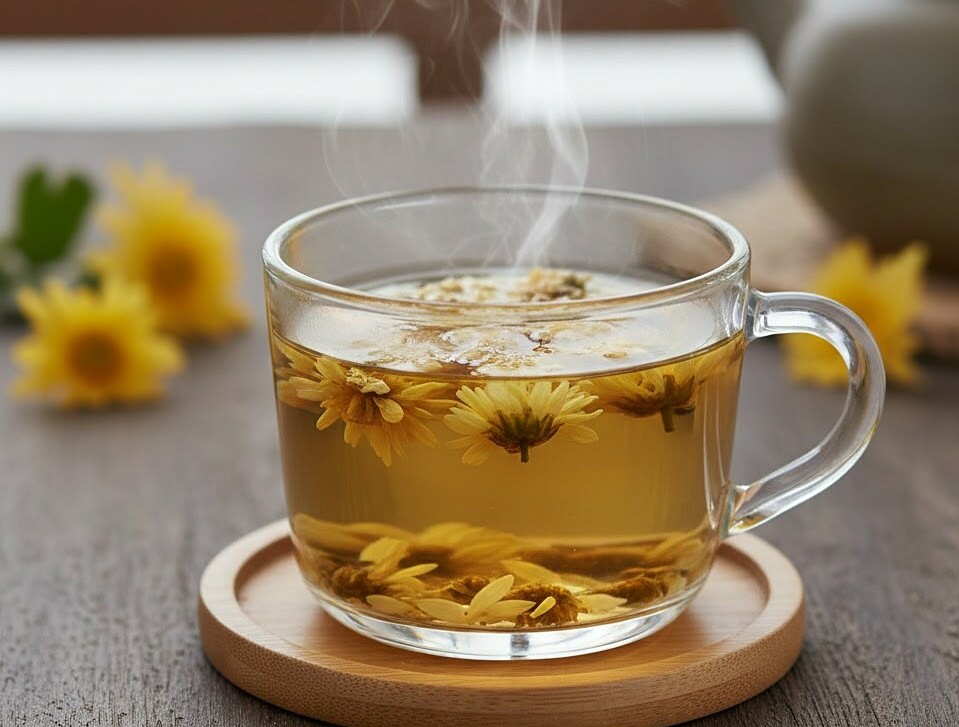 |
Regularly drinking chamomile tea can help improve sleep. Photo created by AI. |
Artichoke contains cynarin and flavonoids in its roots, stems, leaves, and flowers, supporting liver function and reducing fatigue. Artichoke also contains iron, which helps reduce anxiety, promotes relaxation, and aids in falling asleep quickly.
Ginkgo biloba, rich in flavonoids and terpenoids, acts as an antioxidant, increases cerebral circulation, and reduces stress, thereby improving sleep quality, especially in older adults.
Doctor Tien notes that herbs only play a supportive role in improving sleep and may not be suitable for everyone. Individuals currently on medication should consult a doctor before using herbs to avoid adverse effects.
Those experiencing insomnia should adopt a scientific lifestyle, manage stress, and limit alcohol consumption to achieve better sleep. Natural essences from the combination of blueberry and ginkgo biloba can neutralize free radicals, enhance blood flow to the brain, restore neurotransmitter function, and support sound sleep. Individuals with persistent insomnia who have changed their lifestyle without improvement should seek medical examination for appropriate treatment.
Dinh Dieu
| Readers can submit questions about neurological conditions here for doctors to answer. |