A 25-year-old man, diagnosed with glomerulonephritis in 2024, faced a critical health crisis. His condition rapidly worsened due to non-adherence to treatment. In less than one year, the disease progressed to end-stage kidney failure, severely weakening his kidney function and causing significant swelling and fatigue. By mid-2025, doctors at Xuyen A General Hospital confirmed the diagnosis, necessitating regular dialysis three times a week.
Facing this dire prognosis, his father made the decision to donate a kidney. On 5/12, doctors from Xuyen A and Cho Ray hospitals collaborated to perform the kidney transplant surgery. The procedure was successful, and the patient's kidney function returned to normal. He is now able to resume daily activities, eat normally, and maintain his health with anti-rejection medication and regular follow-up appointments.
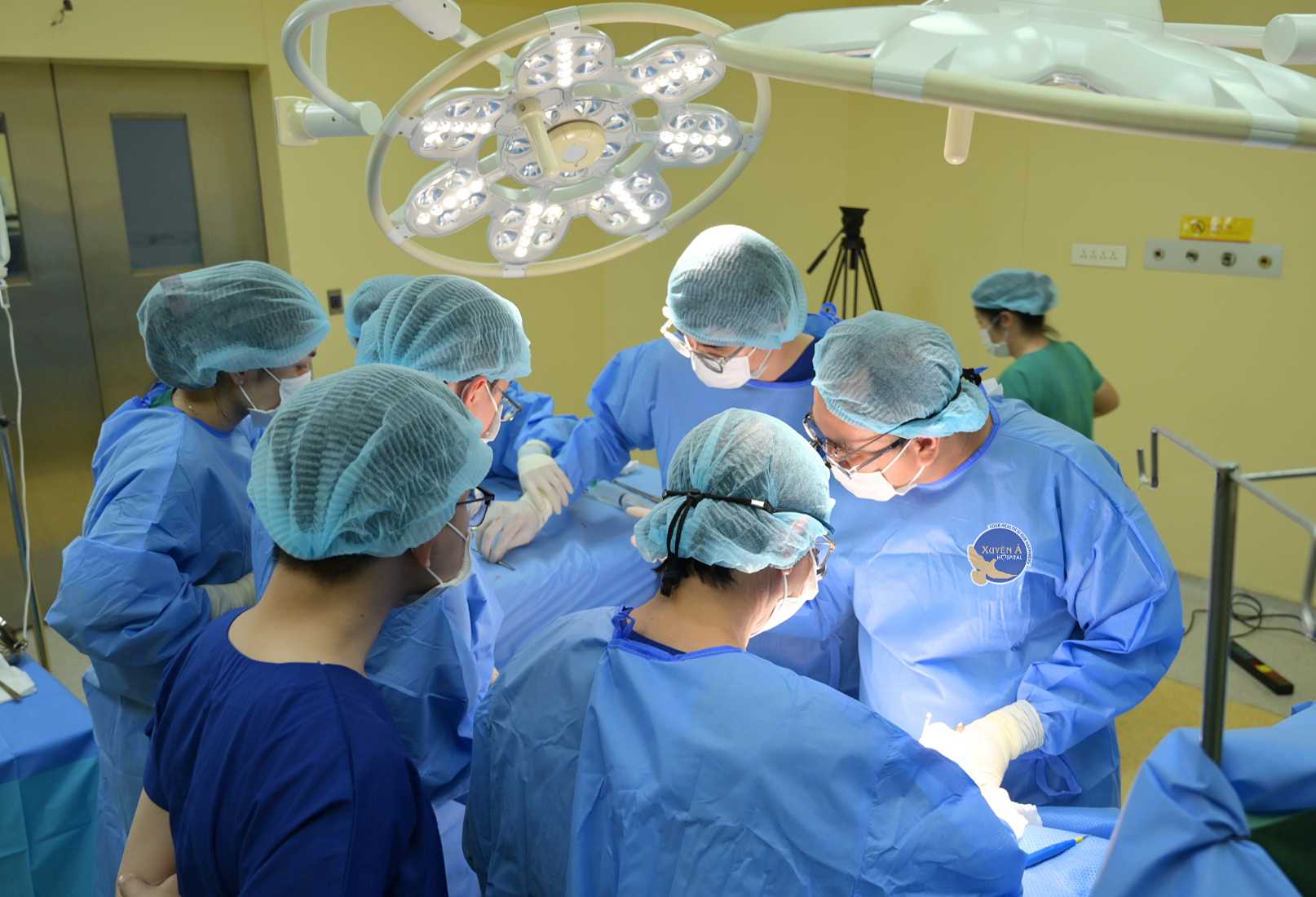 |
Doctors performing kidney transplant surgery for the patient. *Photo: Hospital provided* |
Doctor Vu Le Anh, Head of the Nephrology Department at Xuyen A General Hospital, highlighted glomerulonephritis as the main cause of kidney failure in young individuals. She explained that this disease can advance silently and quickly to end-stage kidney failure if not detected and treated properly.
"Glomerulonephritis is common in young people, but convincing them to follow treatment and monitor the disease is challenging," doctor Anh noted. "Its subtle symptoms often lead patients to believe they are fine." This complacency, doctor Anh emphasized, results in progressive kidney function decline. She warned that neglecting treatment for just one or two months can lead to irreversible kidney damage and rapid progression to end-stage kidney failure. While dialysis offers a temporary solution, a kidney transplant remains the only path for patients to regain a normal life. Such a diagnosis represents a profound shock for young people, impacting not only their physical health but also their future and family livelihood.
Doctors advise young people experiencing signs of glomerulonephritis to seek medical attention. These symptoms include: unexplained high blood pressure, foamy urine, blood in urine, or sudden swelling. Early screening and strict adherence to treatment are crucial if the disease is diagnosed. Furthermore, infections are a significant trigger for glomerulonephritis. Therefore, young individuals with conditions like sore throats or skin infections should consult a specialist for thorough treatment.
Maintaining kidney health also involves lifestyle choices. Recommendations include: drinking 1,5-2 liters of water daily; minimizing foods and beverages that can irritate the kidneys, such as unsanitary items, overly salty foods, and chemical-containing drinks; and avoiding late nights. Regular health check-ups are important for early detection of kidney-urinary diseases, especially glomerulonephritis, to prevent their progression to kidney failure.
My Y